Etsy used to feel like two separate worlds.
On one side: digital sellers
- printables
- templates
- planners
- downloads
On the other: physical sellers
But the line between those worlds is fading fast.
Today, some of the smartest Etsy shops are running a hybrid model:
- digital products that sell instantly (high margin, low friction)
- physical products that feel giftable and premium (higher AOV, stronger brand presence)
And the best part?
You don’t need a warehouse.
You don’t need inventory.
You just need a playbook.
This is that playbook—written in a practical, “real life” way. No tech rabbit holes. Just the hybrid logic that’s working right now.

Why hybrid beats “digital only” in 2026 Etsy land
Digital products are incredible:
- immediate delivery
- no shipping
- scalable
- high profit per sale
- global customers
But they have limitations:
- lots of competition
- easy to copy (sadly)
- lower perceived value in some categories
- refund disputes (“I didn’t know it was a download!”)
Physical products have different strengths:
- they feel more “real” and giftable
- they support higher price points
- they create stronger brand memory
- they photograph beautifully in lifestyle mockups
When you combine them, you get something powerful:
Digital becomes the entry door. Physical becomes the upgrade.
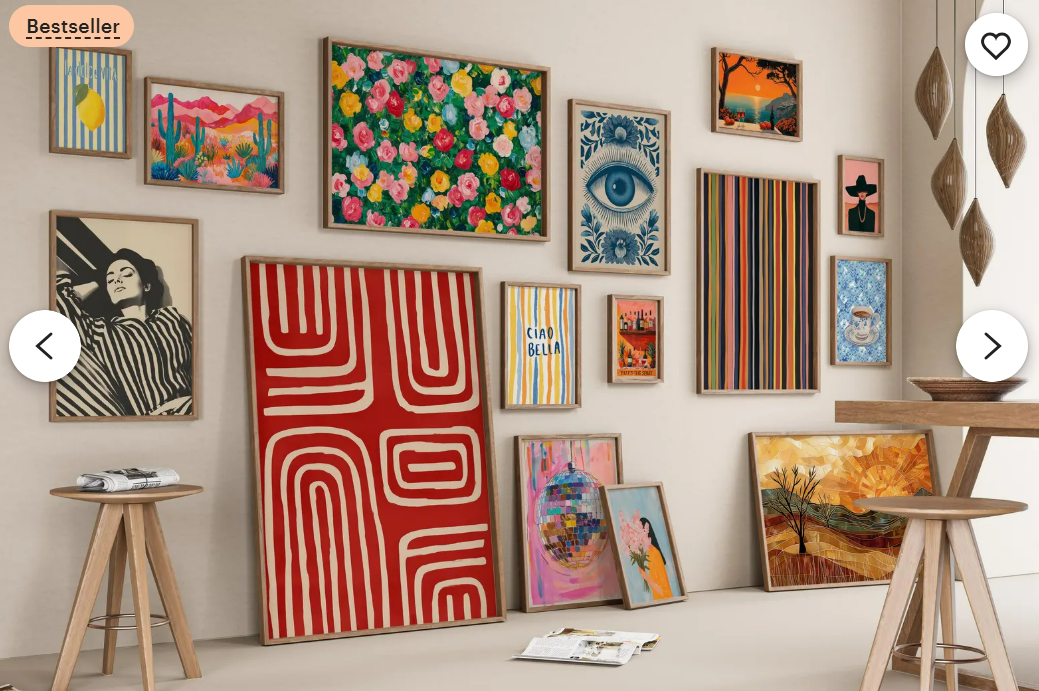
The core hybrid concept: “Same world, two formats”
Hybrid works best when your digital and physical products live in the same style universe.
The mistake is selling:
- a minimalist wedding template
…and also… - a neon gamer t-shirt
…and also… - a witchy planner
That’s three different shops pretending to be one.
Hybrid shops win when the buyer thinks:
“Oh, there’s more in this same world.”
So your first job is to pick a world:
- retro kitchen
- cozy homeschool
- witchy apothecary
- minimalist organization
- nursery animals
- spooky-cute Halloween
- cottagecore garden
- boho wedding
Then you express that world in:
- downloads
- physical items
Same world. Two formats.
The Hybrid Seller Ladder (simple, powerful)
Think of your product line like a ladder:
1) The Instant Download (low friction)
This is where the buyer discovers you.
Examples:
2) The “Bundle Upgrade” (more value, still digital)
This raises AOV without adding complexity.
Examples:
- a full set of 10 prints
- a complete party pack
- a classroom bundle
- a seasonal reset kit
3) The Physical “Giftable” (higher value, stronger brand)
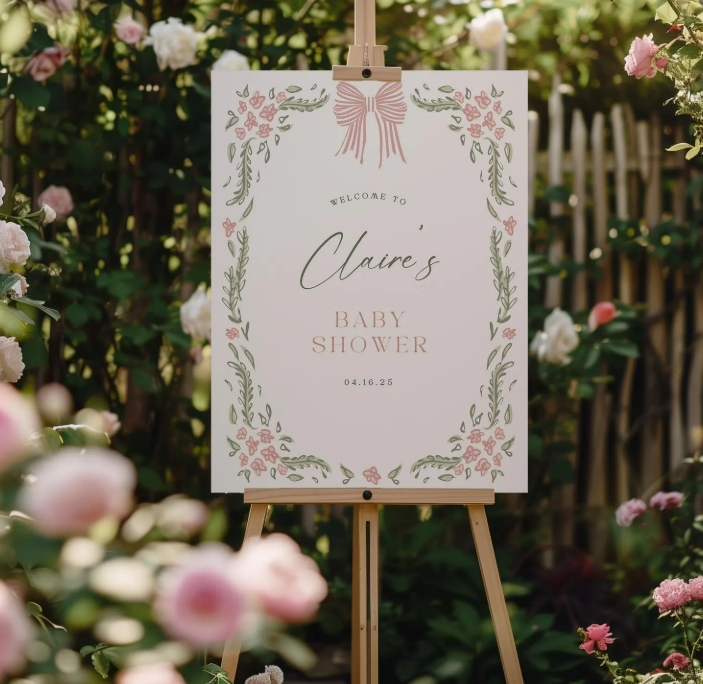
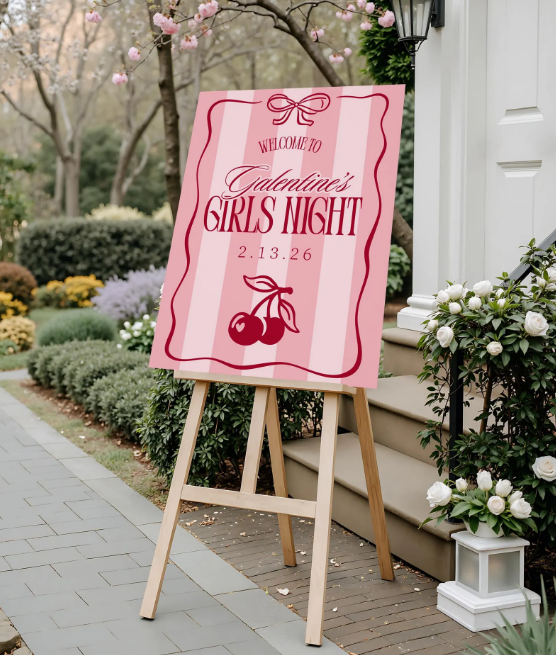
This is the hybrid leap: the buyer can now buy something tangible.
Examples:
- mugs
- tote bags
- shirts/hoodies
- stickers
- posters (printed + shipped)
- notebooks
- “care kits” (if handmade, even better)
4) The Premium “Keepsake”
Not every shop needs this rung, but it’s powerful.
Examples:
- framed prints
- printed books
- personalized items
- curated gift sets
This ladder is how hybrid shops grow without chaos.
5 hybrid models that work especially well on Etsy
Model 1: Printable → Matching Physical
The classic move:
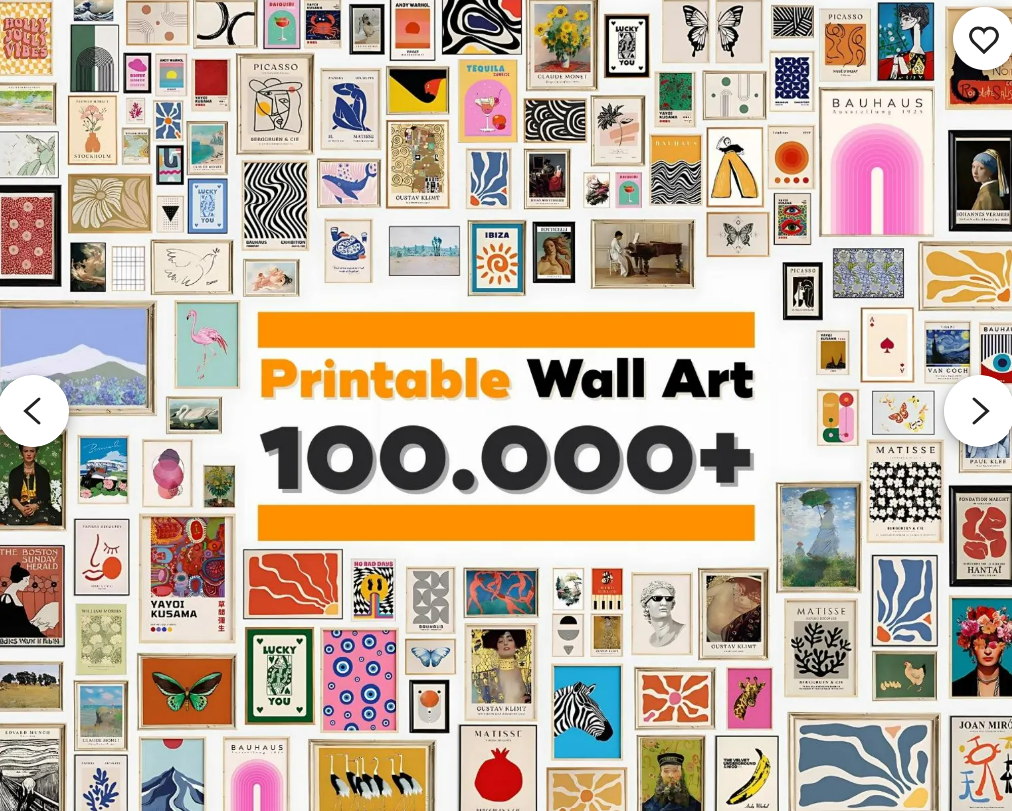
- download the wall print
- add the matching mug or tote
- add matching stickers
Same theme, same fonts/colors, same vibe.
Why it works: the buyer gets both immediate gratification and a tangible item.
Model 2: Digital Kit → Physical “Centerpiece”
Example:
- baby shower printable set
- plus a physical welcome sign print
- plus matching favor stickers
The digital kit handles the bulk. The physical centerpiece makes it feel premium.
Model 3: Activity Pack → Real-World Companion Item
This is big for families and teachers.
Examples:
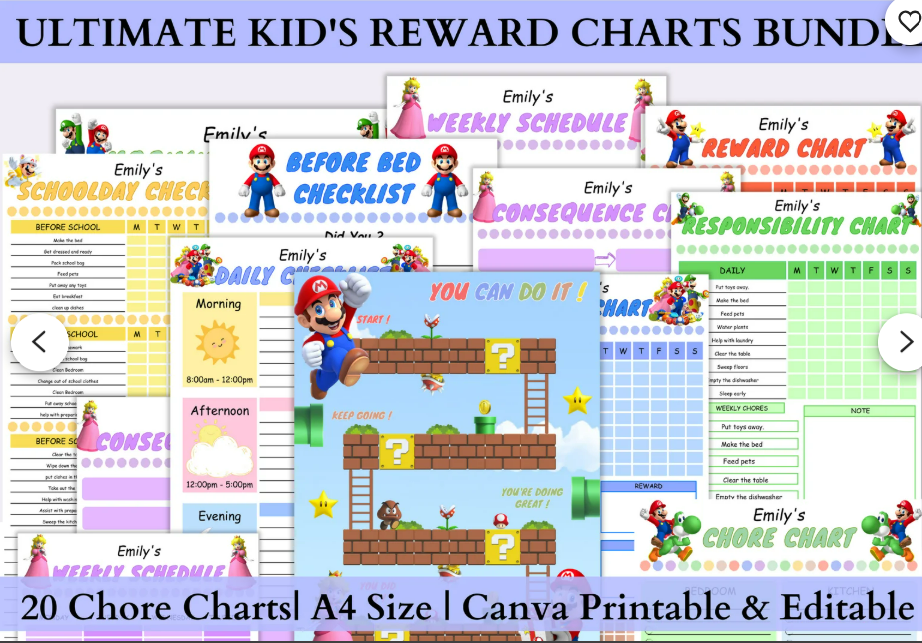
- kids activity sheets + reward chart (digital)
- plus a physical sticker sheet or classroom tote (physical)
It turns your digital product into a “real” system.
Model 4: Planner System → Physical Tools
Example:
- a printable planner system
- plus a matching notebook, stickers, or desk accessory
Hybrid makes the planner feel less like “paperwork” and more like a lifestyle.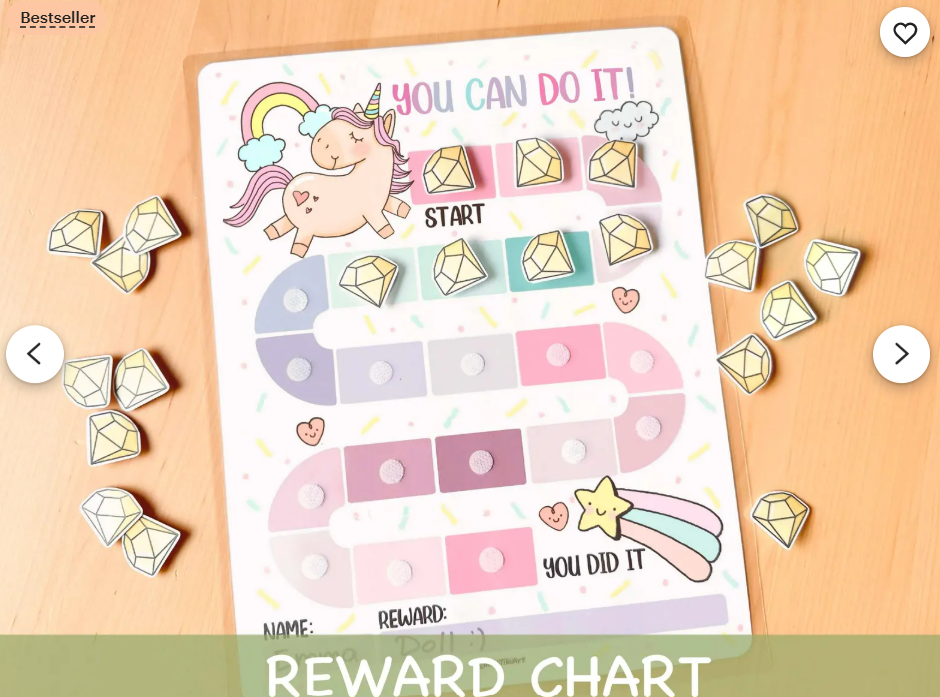
Model 5: Digital First → Physical After the Buyer Trusts You
This one is subtle and incredibly effective.
Some buyers need proof that you’re legit before they spend on physical.
Digital becomes your “try before you buy” path:
- they buy a $3 download
- love it
- then feel safe buying the $22 tote or $35 hoodie
Hybrid builds trust in stages.

The biggest hybrid mistake: making physical products that don’t match Etsy behavior
Etsy physical doesn’t behave like Amazon physical.
People don’t want “generic.”
They want:
- personal
- aesthetic
- giftable
- identity-driven
So your physical items should feel like:
- “this belongs in my life”
not - “this is a commodity”
Your physical products should also photograph well—because on Etsy, your photo is half the sale.

Where Sale Samurai fits (no heavy tech)
Sale Samurai helps you avoid the “hybrid chaos” trap by showing you:
- which aesthetics and themes have demand
- which keyword phrases buyers actually use
- which digital categories are crowded vs under-served
- which physical product angles are “giftable language” in search
You’re not using it to turn your shop into a spreadsheet.
You’re using it to make sure your hybrid ladder is aligned with buyer behavior.

The “Hybrid Shop Test”: are you building a world?
Look at your shop and ask:
- Does a buyer understand your vibe in 10 seconds?
- Do your digital and physical products look like cousins?
- Are there obvious “next purchases” a buyer would want?
- Do you have a ladder from low-cost to higher value?
If yes, you’re building a hybrid shop.
If no, you don’t need more products—you need a clearer world.
- The Micro-Niche Method: Selling to Tiny Audiences Who Buy Immediately
- The Copycat Trap: How to Ride Trends Without Looking Like Everyone Else
- Phrase Families: How Etsy Shoppers Actually Search (Without Getting Technical)
- Aesthetic Commerce: Why “Vibes” Sell Faster Than Features on Etsy
- Digital-to-Physical on Etsy: The New Hybrid Seller Playbook