
A lot of Etsy sellers treat seasons like emergencies.
They wake up in October and think:
- “I should’ve started Halloween in August.”
They wake up in December and think:
- “I missed the whole holiday rush.”
They wake up in January and think:
- “I have nothing new.”
And if you’ve been doing Etsy long enough, you can almost feel the panic in your body as you read those lines. Because the seasonal spiral isn’t just a business problem—it’s an emotional problem. It’s the sense that you’re always behind, always reacting, always running toward a train that already left the station.
That panic cycle burns people out.
But here’s the calmer truth: You don’t need to become a seasonal maniac to benefit from seasonal demand. You need evergreen themes that can be “dressed up” for holidays.
This is how sane Etsy shops stay profitable year-round.
And more importantly: it’s how you keep your shop from turning into a yearly ritual of panic, exhaustion, and self-blame.
A quick story: why seasonal panic is so common on Etsy
Here’s what typically happens.
A seller has a handful of evergreen products. They do okay. Then they see a wave hit—Halloween, Christmas, Valentine’s Day—and suddenly everyone on Etsy is talking about “Q4 strategies” like it’s the Super Bowl.
So the seller tries to keep up:
- they scramble new designs
- they rush listings
- they throw seasonal keywords everywhere
- they stay up too late trying to “catch the wave”
Then the season passes. The rush ends. The seller is exhausted… and now they’re staring at a shop full of hyper-seasonal items that feel dead for 10 months of the year.
They swear: “Next year I’ll be ahead.”
And then… life happens.
That’s the seasonal panic loop.
The solution isn’t to work harder. It’s to plan smarter.
Evergreen vs seasonal (in real-life terms)
- Seasonal products sell strongly for a short window (then go quiet).
- Evergreen products sell year-round (and often spike during holidays).
The best strategy is not choosing one — it’s building evergreen foundations that can be lightly seasonal when the time is right.
Think of it like a wardrobe:
- evergreen = your basics
- seasonal = your accessories
Evergreen basics are the black jeans, the comfortable jacket, the reliable shoes. They’re not exciting every day, but they keep you functioning.
Seasonal accessories are the scarf, the festive earrings, the Halloween pin, the holiday sweater. They add flavor, but you don’t rebuild your identity around them.
On Etsy, your basics are what keep you paid in March and July. Your seasonal accessories are what help you spike when everyone is shopping.
The evergreen themes that spike during holidays
Evergreen doesn’t mean boring. It means durable. It means you can sell it in February and in December.
Here are evergreen themes that naturally peak in seasonal moments:
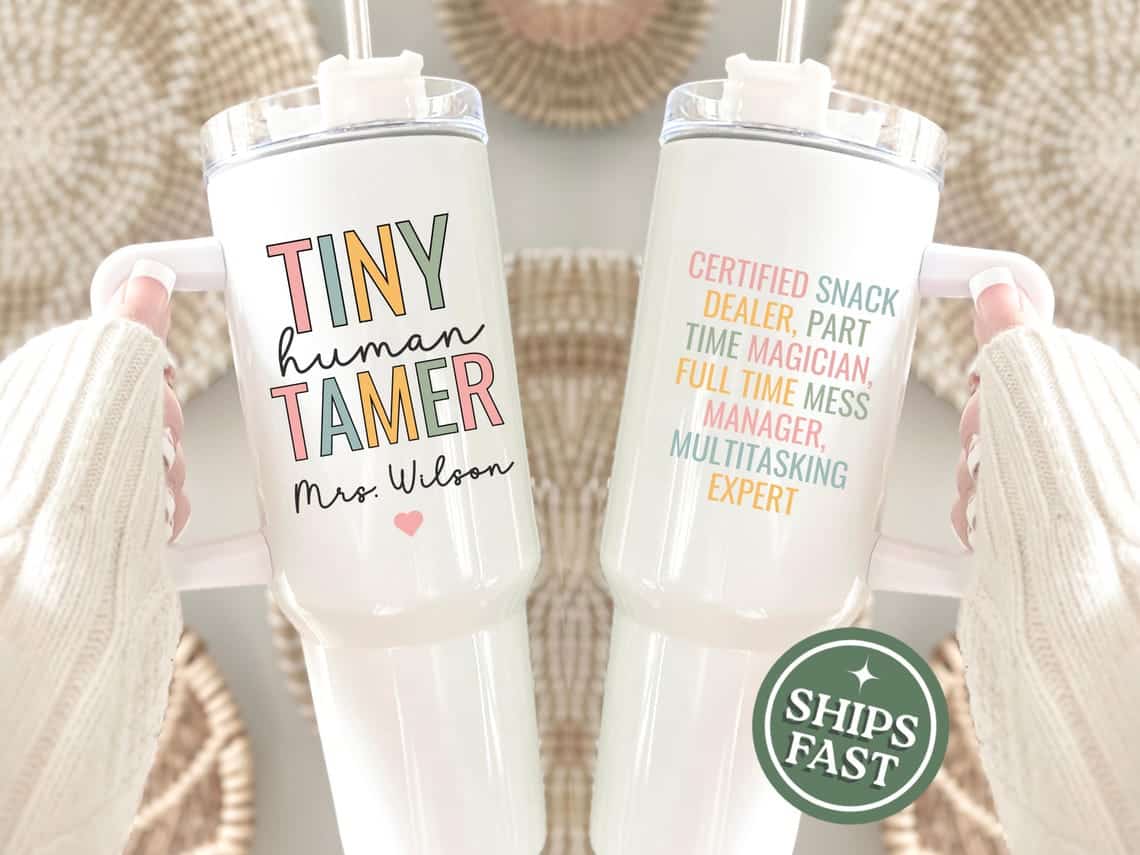
1) Gifts for roles (the eternal spike engine)
Evergreen all year, spikes on:
- Teacher Appreciation
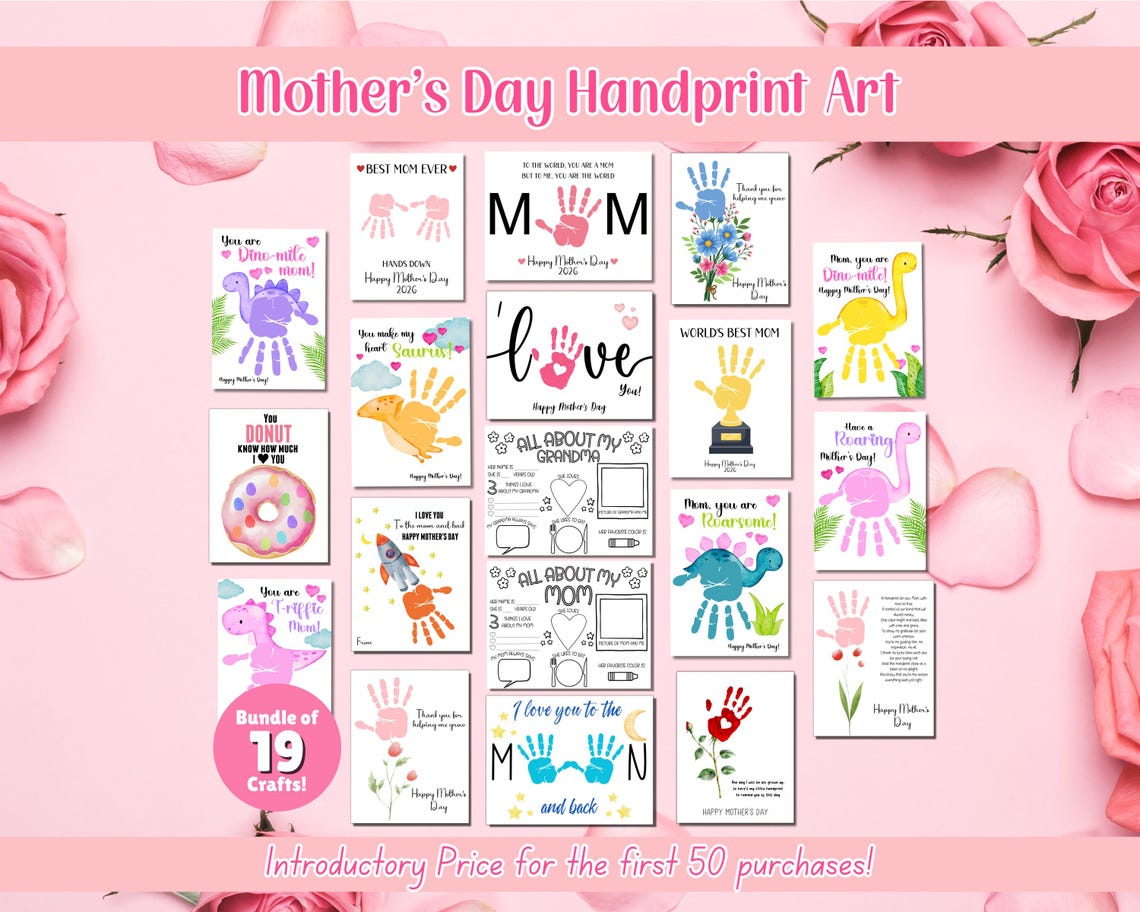
- Mother’s/Father’s Day
- Graduation
- Holidays
Roles:
- teacher
- nurse
- coach
- mom/dad
- grandma/grandpa
This is one of the strongest evergreen lanes because it pairs with the most reliable buyer behavior on Etsy: gifting.
People will always need:
- “something small but meaningful”
- “something personal”
- “something that says thank you”
And role-based products give them exactly that.
Even better: role products are easy to “seasonal dress” without changing the core concept. A teacher gift is a teacher gift year-round. The season just changes the wrapper.
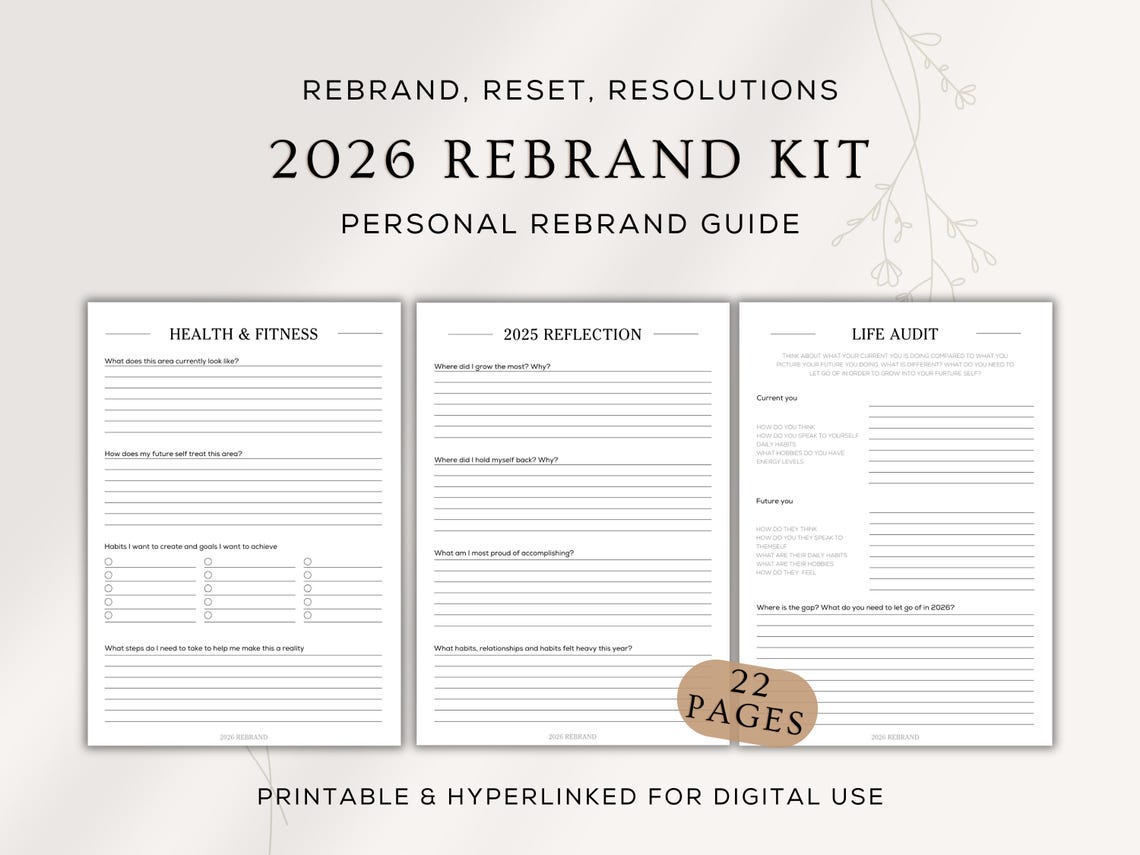
2) Home + cozy routines (the comfort economy)
Evergreen all year, spikes in:
- fall and winter
- new year “reset”
- spring cleaning
Products:
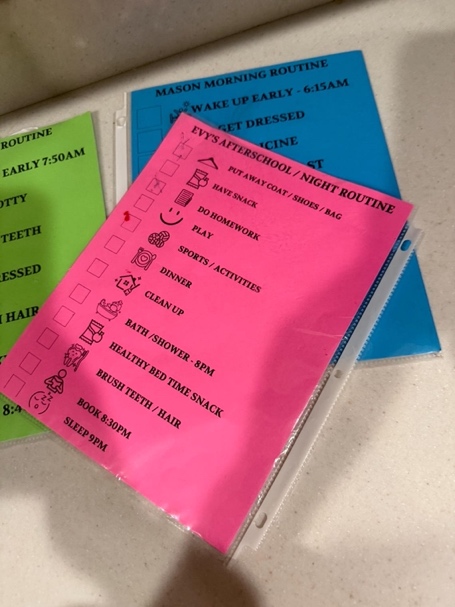
- checklists
- wall prints
- kitchen labels
- routine charts
Home and routines are where Etsy shines, because Etsy isn’t Amazon. Etsy is a mood marketplace. People shop on Etsy because they want their life to feel a certain way.
Cozy routines sell year-round, but they spike in moments when people crave control:
- New Year
- back-to-school transitions
- fall nesting season
- holiday hosting season
If you build “home rhythm” products, you don’t have to reinvent every quarter. You simply reframe them for the season.
3) Family traditions + “moments” (the memory lane)
Evergreen all year, spikes when families gather:
- holidays
- birthdays
- baby showers
- weddings
These products work because they’re tied to a moment that feels meaningful. The buyer isn’t just shopping—they’re preparing for a memory.
This is where printables and kits shine:
- party games
- signage
- bundles
- keepsake prints
- “first year” and milestone items
Family moment products don’t need to be trendy. They need to feel warm, clear, and “I can’t mess this up.”
4) Personal identity vibes (the “this is so them” category)
Evergreen all year, spikes during gifting seasons because people buy identity products for other people.
Examples:
- book lovers
- pet parents
- hobby folks
- fandom-adjacent humor
Identity products sell because they feel personal even when they’re not personalized.
A buyer sees:
“This is my sister.”
“This is my dad.”
“This is my best friend.”
And that is the fastest route to checkout on Etsy.
The “seasonal dressing” method (how to spike without reinventing)
You don’t need a brand-new product for every holiday.
You need:
- one evergreen base product
- plus seasonal “skins” (color, icons, a few words)
Examples:
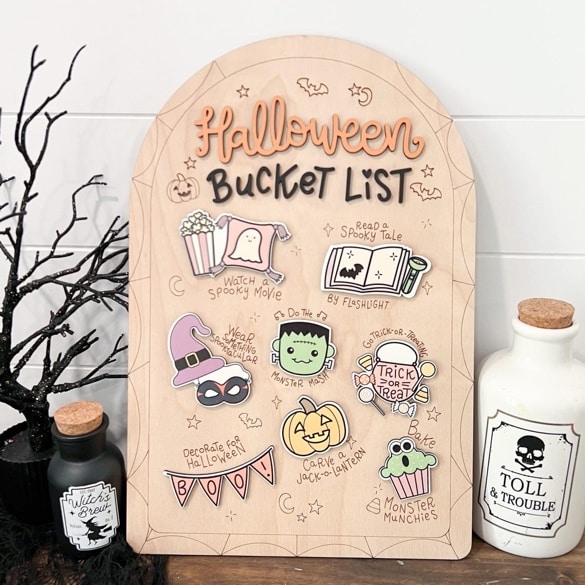
- a routine checklist becomes a “Holiday Hosting Checklist”
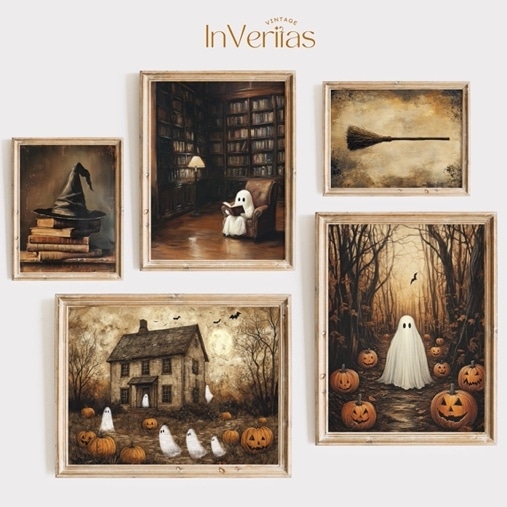
- a printable wall set becomes a “Spooky Season Gallery Set”
- a home reset kit becomes a “New Year Reset Kit”
Same foundation. Different clothes.
This is the method that keeps you sane because it reduces the two biggest seasonal drains:
- endless ideation (“What do I make for Easter?!”)
- endless production (“I have to build everything from scratch!”)
Instead, you build a few evergreen “base engines” and then dress them for the season.
What “seasonal dressing” looks like in practice
Let’s say you have a strong evergreen niche: cozy home routines.
Your base products might be:
- a weekly reset checklist
- a pantry label set
- a kitchen print set
- a “morning station” routine chart
Now here’s the seasonal dressing:
Fall / Halloween
- warm fall palette
- “spooky cute” option
- “cozy autumn reset” language
Winter / Holidays
- “holiday hosting checklist”
- “gift wrapping station” labels
- cozy “home for the holidays” wall set
January reset
- “fresh start” design variant
- calmer minimalist palette
- “new year home reset” framing
Spring cleaning
- “spring refresh checklist”
- “pantry reset” label set
- bright clean design vibe
Notice: you didn’t reinvent your shop. You just changed the accessory layer.
The calm seasonal calendar mindset (why timing matters)
Seasonal success is less about being a genius and more about being early enough.
If you want holiday spikes without panic:
- plan seasonal dressing one month earlier than you feel like you should
- launch in small waves
- keep evergreen items live all year
For example:
- Halloween starts in late August/September on Etsy
- Holiday gifting starts in October
- New Year reset starts in late December
- Spring refresh starts in March
You don’t need to “live in holidays.” You just need to be slightly ahead of the buyer.
Where Sale Samurai fits (light, but useful)
Sale Samurai helps you check:
- what buyers call the season (“spooky season” vs “Halloween decor”)
- which evergreen phrases spike in holiday windows
- which keywords pair naturally with gift language
Use it like a flashlight, not a microscope.
This matters because seasonal language changes. Some years, buyers search “Halloween.” Some years they search “spooky season.” Some years “cozy fall decor” outranks both. A small adjustment in phrasing can make your seasonal dressing land more naturally.
Think of Sale Samurai as your “what are people actually typing?” sanity check—not a rabbit hole.
Final thought
The goal isn’t to chase holidays.
The goal is to build evergreen products that become the obvious choice when holidays arrive.
That’s seasonal selling without the cortisol.
And once you build your evergreen foundations, seasons stop feeling like emergencies. They start feeling like what they should have been all along:
A predictable rhythm you can plan for, calmly.