
If you sell digital downloads on Etsy, you’ve heard the usual advice:
- planners
- journals
- calendars
- trackers
And those can work… but they’re also crowded. Which means you end up competing on tiny differences:
- one more page
- a slightly different font
- a different cover mockup
It can start to feel like you’re standing in a crowded room where everyone is shouting the same sentence in a slightly different accent.
Meanwhile, there are “quiet” printable categories that convert beautifully because the buyer has a specific moment and wants an immediate solution.
These are the printable goldmines that aren’t planners.
And the reason they work is almost annoyingly simple: they don’t rely on trends. They rely on real life.
A quick story: how people actually buy printables
Picture someone on Etsy at 10:47 p.m.
They’re not “browsing for fun.” They’re searching because something is happening tomorrow.
- The baby shower is Saturday.
- The teacher gift needs to be ready by morning.
- The road trip is in two days.
- The pantry is a disaster and they’ve finally hit their limit.
- The kid is climbing the walls and it’s raining again.
This person isn’t looking for “a printable.” They’re looking for relief.
That’s why these categories sell. You’re not selling paper. You’re selling calm.
Why these categories sell: moment + urgency + clarity
Printables convert best when:
- the buyer has a reason right now
- the product solves a real-life problem
- the download is instantly useful
That’s why certain categories are evergreen winners.
The more “moment-based” your product is, the less you have to fight for attention. Because the buyer isn’t casually scrolling—they’re actively trying to solve something.
And when buyers are in problem-solving mode, they become less price-sensitive and more clarity-sensitive.
They don’t need the cheapest option. They need the option that feels safe and complete.
The mindset shift: stop selling pages, start selling outcomes
Planner markets are crowded because everyone thinks in pages:
- “I made a 30-page planner.”
- “I made a 60-page journal.”
Quiet printable categories win because they sell outcomes:
- “My party is organized.”
- “My kid is occupied.”
- “My kitchen is under control.”
- “My trip is planned.”
- “My classroom is ready.”
If your listing promises an outcome the buyer wants right now, you’re playing a different game.
8 quiet printable lanes that keep converting
1) Event ecosystems (beyond invitations)
Invites are just the door. The money is in the ecosystem:
- signage
- games
- menus
- seating cards
- labels
- thank-you cards
This lane converts because events create urgency. People don’t want one piece—they want the whole vibe.
If you can offer a cohesive system, the buyer thinks: “Thank God. I don’t have to piece this together.”
That’s the bundle spell (even if you’re not calling it a bundle).
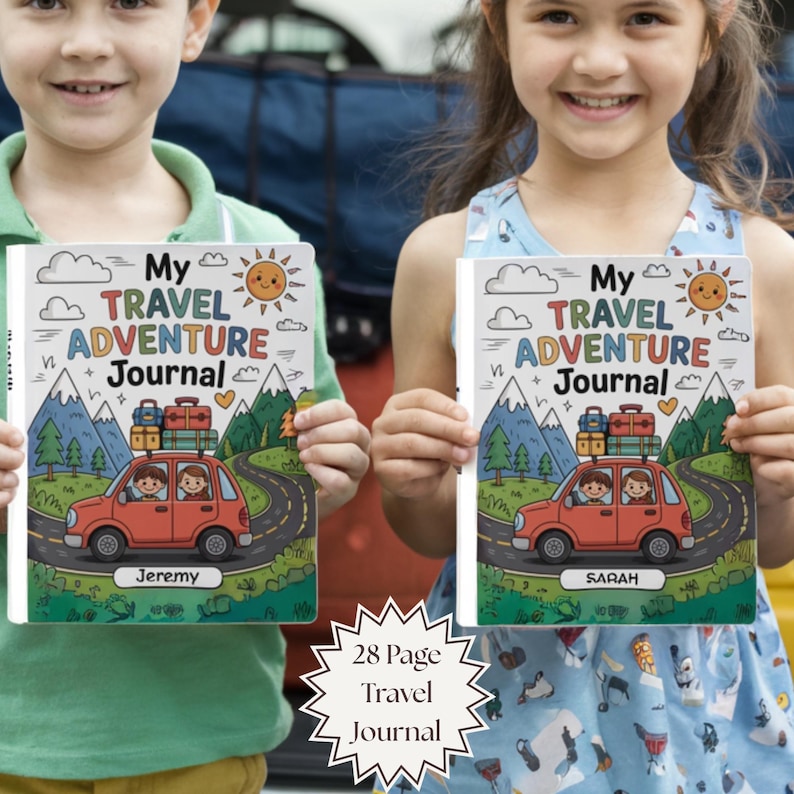
2) Kids activity packs (the “parent sanity” category)
- road trip packs
- restaurant packs
- rainy day packs
- holiday activity kits
This lane is evergreen because kids are always kids.
Parents buy these because they’re trying to create 20 minutes of peace, and they will happily pay for that peace if it looks well-made and age-appropriate.
The key here is clarity:
- age range
- what’s included
- how to use it
- how many pages
- whether it’s a pack or a set
When the parent sees “this will work,” they buy fast.
3) Home labels and organization
- pantry labels
- spice labels
- cleaning labels
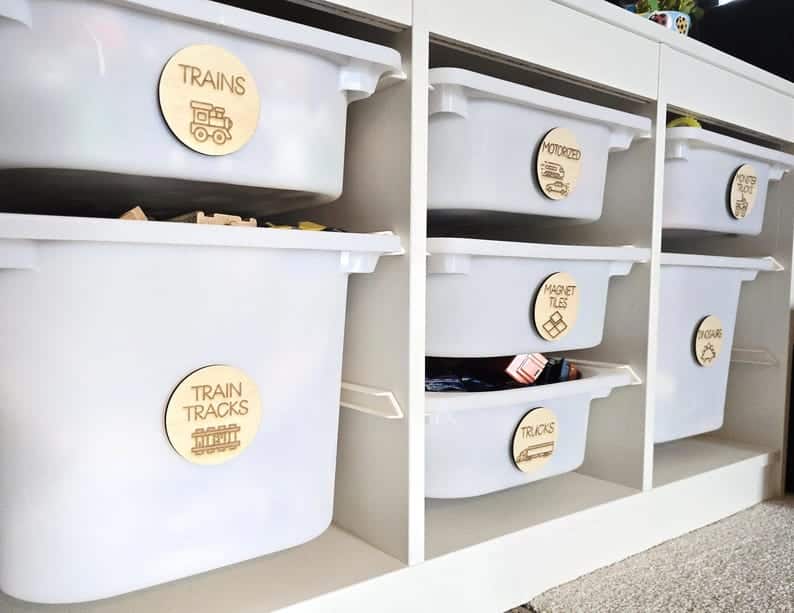
- toy bin labels
This category is vibes + practicality.
Labels sell because they give people a quick feeling of: “I am getting my life together.”
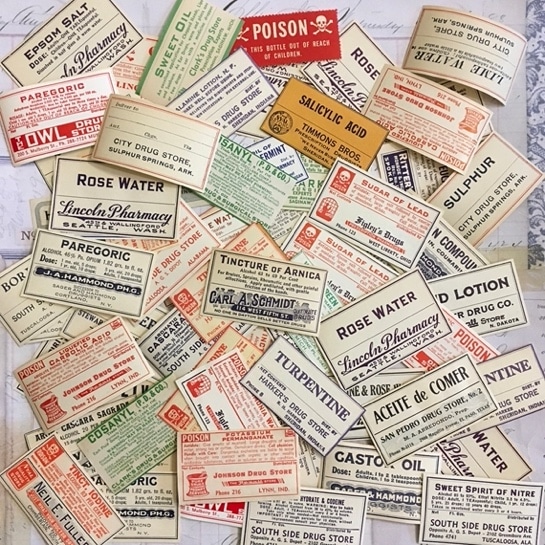
And Etsy is where people buy identity upgrades for their home. Not just organization—aesthetic organization.
That’s why style worlds matter here:
- minimalist
- farmhouse
- vintage apothecary
- colorful modern
- cozy neutral
A buyer is not just buying labels. They’re buying the feeling of a kitchen that looks like a Pinterest board.
4) Routine systems (not “planners,” but life support)
- morning routine charts
- chore charts
- weekly reset checklists
- cleaning schedules
These are different from planners because they’re about function, not journaling.
They’re often purchased in a moment of emotional need:
- “I’m overwhelmed.”
- “My household is chaos.”
- “I need a reset.”
These products convert when they feel supportive instead of scolding.
Think gentle language. Clear layout. No shame.
5) Travel printables
- packing lists by trip type
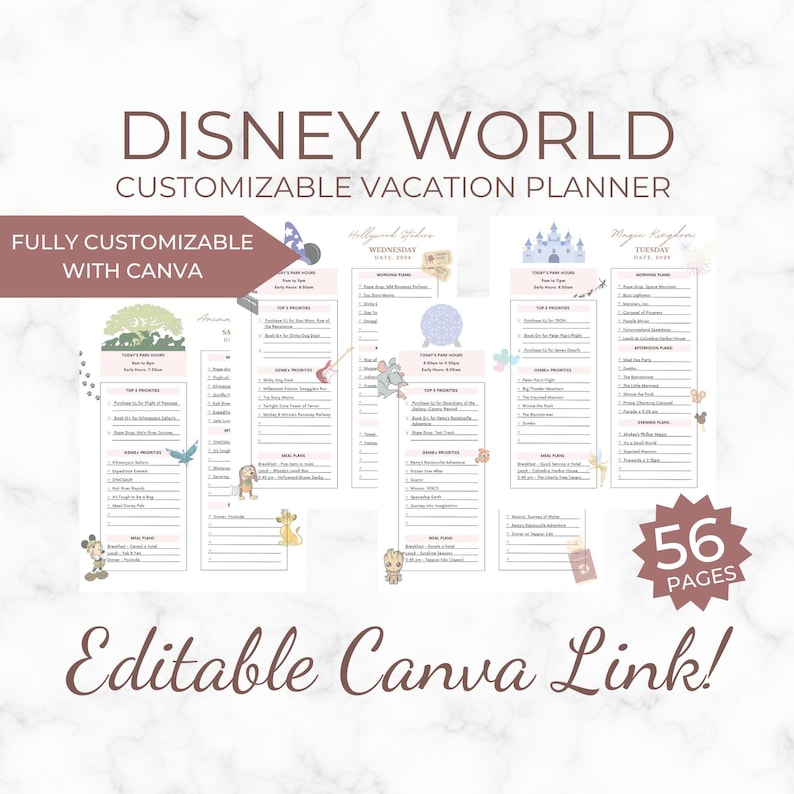
- itinerary sheets
- travel budget sheets
- kids travel packs
Travel is a built-in urgency machine.
The buyer is already spending money, already planning, already trying to feel prepared. A printable that feels like “trip control” sells extremely well.
This is where niche versions work too:
- cruise packing list
- Disney trip itinerary
- camping checklist
- Europe carry-on list
- road trip kid pack
The more specific the travel scenario, the higher the conversion intent.
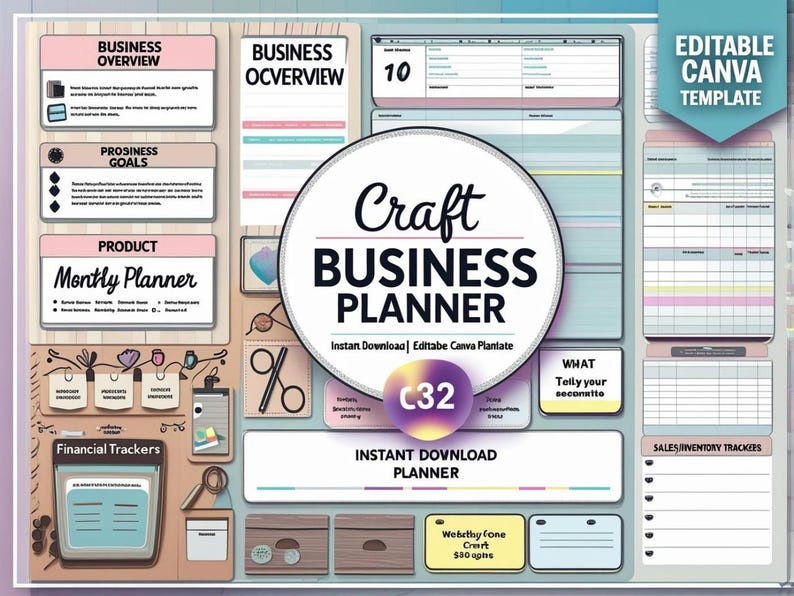
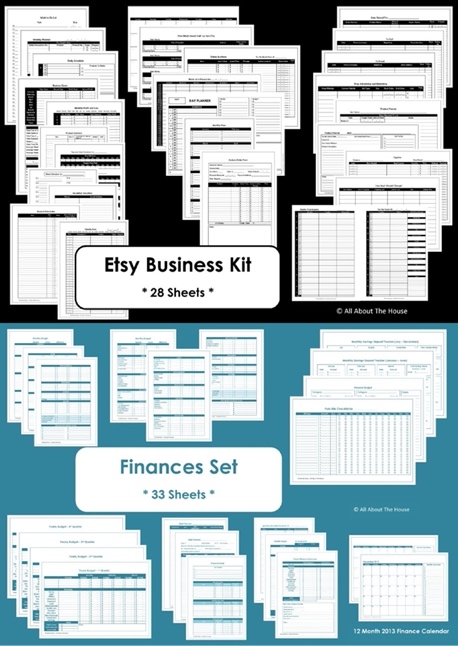
6) Small business templates
- invoices
- client forms
- order trackers
- market checklists
These aren’t cute, but they’re consistent.
Business owners buy time.
And when a template saves them time, it earns repeat purchases.
This lane works best when your design is clean, professional, and not overly decorated. People in this mode want:
- clarity
- functionality
- “this won’t make me look amateur”
7) Educational / homeschool resources (niched down)
General worksheets are crowded; niche unit packs convert.
The secret here is specificity:
- phonics packs for a certain stage
- handwriting packs with themed words
- “kindergarten readiness” checklists
- simple homeschool unit studies
Parents and homeschoolers aren’t shopping for “education.” They’re shopping for a need:
- “My kid struggles with this.”
- “I need something for this week.”
- “I need a better way to teach this concept.”
If you match the need and keep the pack structured, it sells.
8) Wall art sets (not generic quotes)
Niche sets convert:
- kitchen sets
- laundry room sets
- nursery sets
- vibe-specific gallery walls
Wall art is also a moment product because people often buy it when:
- moving
- redecorating
- nesting
- resetting a room
- gifting a housewarming
The quiet win is “sets,” because sets look curated and premium.
And Etsy buyers love that “I have taste” feeling.
The “quiet category” superpower: lower competition, higher intent
The reason these categories can outperform planners is that they’re less glamorous to mass-produce. They require more specificity and more understanding of real-life use.
That’s good news for you.
Because specificity is how you escape the commodity trap.
When you solve a moment:
- your listing stands out
- your buyer hesitates less
- your conversion goes up
How to pick a lane (without getting overwhelmed)
Pick:
- a buyer moment (party / travel / home reset / kids)
- a style world (retro / minimal / cozy / spooky cute)
- a pack format (bundle kit / set of 3 / label set / activity pack)
Now you’re building a product family, not a one-off.
A product family is the difference between:
- “I made a thing.”
and - “I have a shop.”
A shop needs coherence. Families create coherence fast.
Where Sale Samurai fits (lightly)
Use Sale Samurai to confirm:
- what buyers call the product (“travel binder” vs “itinerary”)
- which phrases cluster into a category family
- where demand exists but listings are weak
Think flashlight, not microscope.
You’re not trying to become a keyword scientist. You’re trying to avoid building a product that buyers aren’t actually searching for.
Sometimes one tiny wording shift changes everything:
- “pantry labels” vs “kitchen labels”
- “weekly reset” vs “cleaning checklist”
- “road trip kids pack” vs “travel activity sheets”
Sale Samurai helps you find the buyer language.
Buyer language is conversion.
Final thought
You don’t need to invent a new planner.
You need to solve a real moment for a real person — beautifully.
When you build products around urgency, clarity, and real-life outcomes, you stop competing in the loudest markets… and start collecting the quiet wins that actually add up.