
An Etsy seller’s field guide to finding, photographing, and listing true vintage in November (with Sale Samurai helping you name it right).
There’s a Friday in late November when you can almost hear the clock clicking inside your shop banner. The lights are up, shoppers are decisive, and inventory looks thinner than you’d like. The good news: vintage is one of the only categories you can restock fast—because it’s already made. Clean it, photograph it, list it.
This is a practical playbook for sourcing last-minute vintage: where to hunt quickly, what sells for holiday missions, a calm listing workflow, and light Sale Samurai checks so your titles match what buyers actually type.
What “vintage” means (and why it helps you move fast)
On Etsy, vintage = 20 years+ (currently 2005 or earlier). That’s a gift in Q4: early-2000s pieces are eligible, and nostalgia for late ’90s/’00s is strong.
Why vintage is perfect for the final stretch:
- No production queue. Find → clean → shoot → list.
- Built-in story. Maker marks, patina, era cues = easy copy.
- Photographs like a mood. Brass, wool, books, glass—holiday scenes love them.
Your job: find giftable pieces, describe condition honestly, and name them in buyer language.
The 48-hour sprint: where to look first
1) Your own home
Start “zero-mile.” Look for:
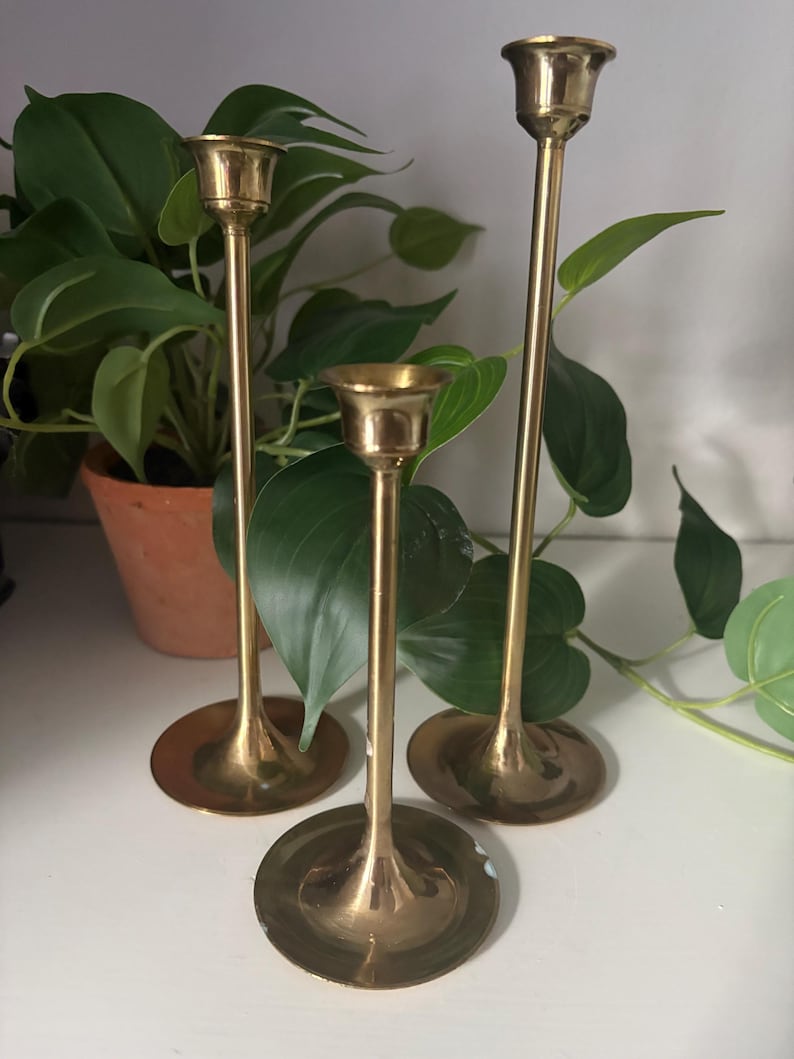
- Brass candlesticks, trays, bells, ornaments (early ’00s counts).
- ’90s/early-’00s sweaters, leather jackets, silk scarves, college tees (pre-2005).
- Cozy cookbooks, illustrated kids’ holiday books, vinyl, vintage board games.
Make two piles: Giftable Now (clean + photogenic) and Quick Refresh (steam/polish/lint roll).
2) Friends, family, neighbors
Send a short text: you’ll pick up pre-2005 holiday décor, barware, jewelry, wool blankets, cookbooks. Offer fair cash or profit-share. People are decluttering before guests arrive—perfect timing.
3) Online local: speed over perfection
Use Marketplace/Craigslist/OfferUp with “today/this week” + local pickup. Search specifics:
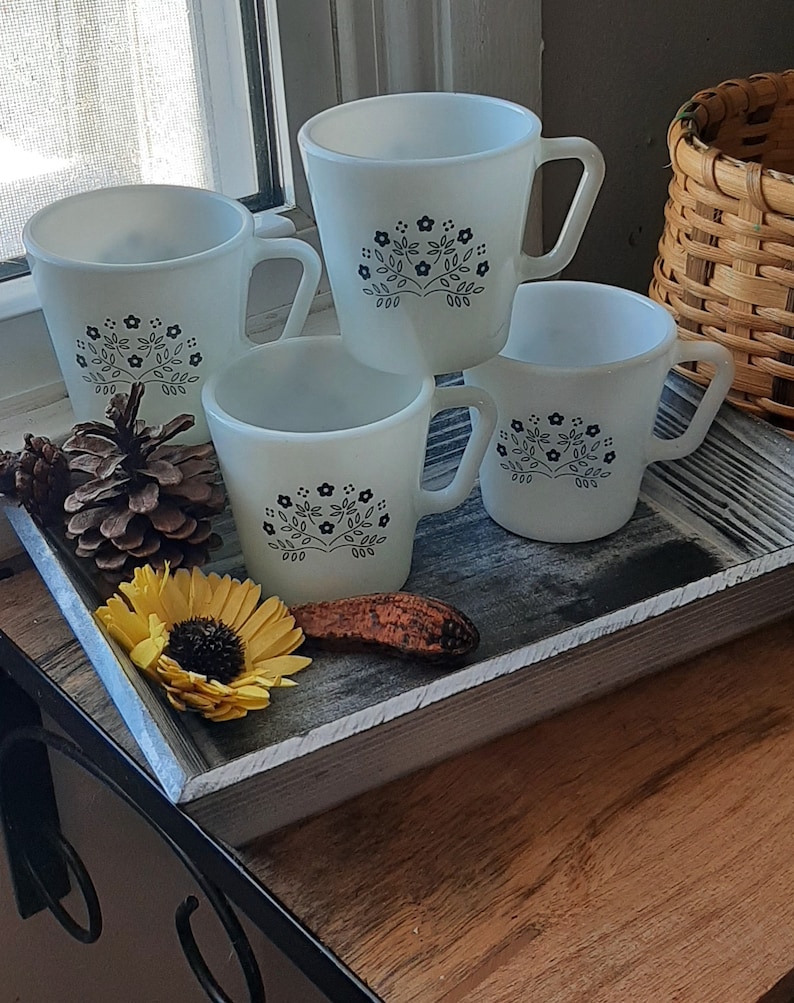
brass candlesticks, vintage ornaments, mid century barware, studio pottery, film camera, chunky knit sweater, Pyrex, cassette tapes, holiday blow mold.
Prioritize lots and “moving this weekend” posts.
4) Buy Nothing / curb alerts
Late November is peak curb alert season. Be upfront that you resell. Many folks prefer “second life” over trash.
If you have a morning: the fast in-person circuit
- Thrift/charity shops: brass, frames, pottery, wool, linens, cookbooks.
- Estate sale last days: discounts; linens/books/kitchen often remain.
- Antique malls: look for sleepy booths; ask for a November deal.
- Garage sales: rare, but sellers are motivated—buy grouped lots.
Fast-moving vintage categories for holiday buyers
Think in gift missions: hostess, teacher, “cozy night,” new home, “for Dad,” “for the reader,” “for the record collector.”
Top performers:
- Brass + mantel décor: candlesticks, trays, bells, reindeer figures.
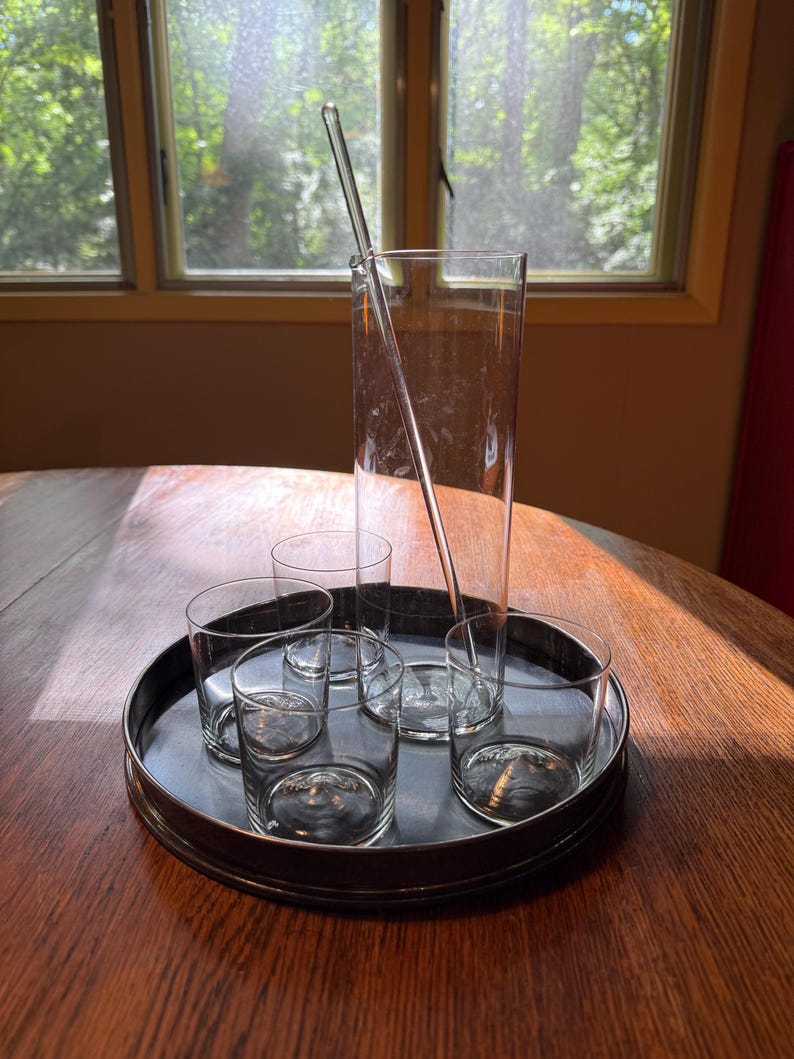
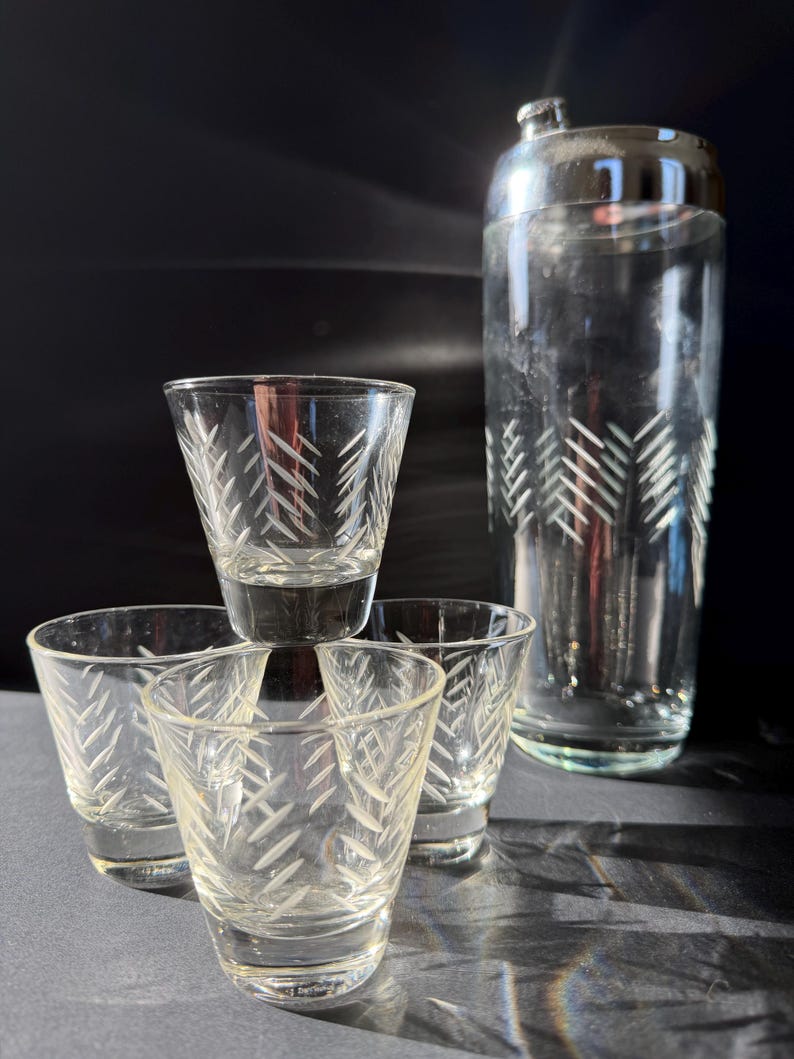
- Barware: shakers, jiggers, coupes, ice buckets—bundle into “Host Sets.”
- Cookbooks + kitchen cozy: holiday baking books, cookie presses, quirky molds.
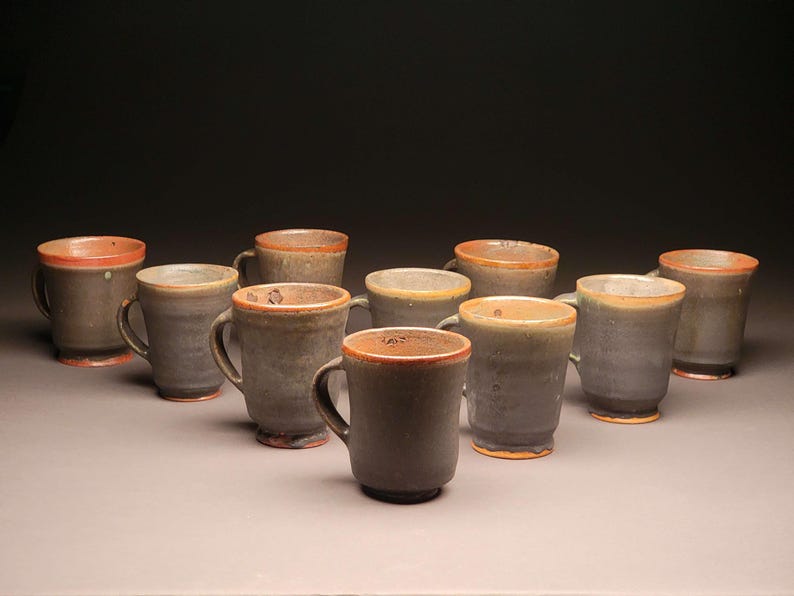
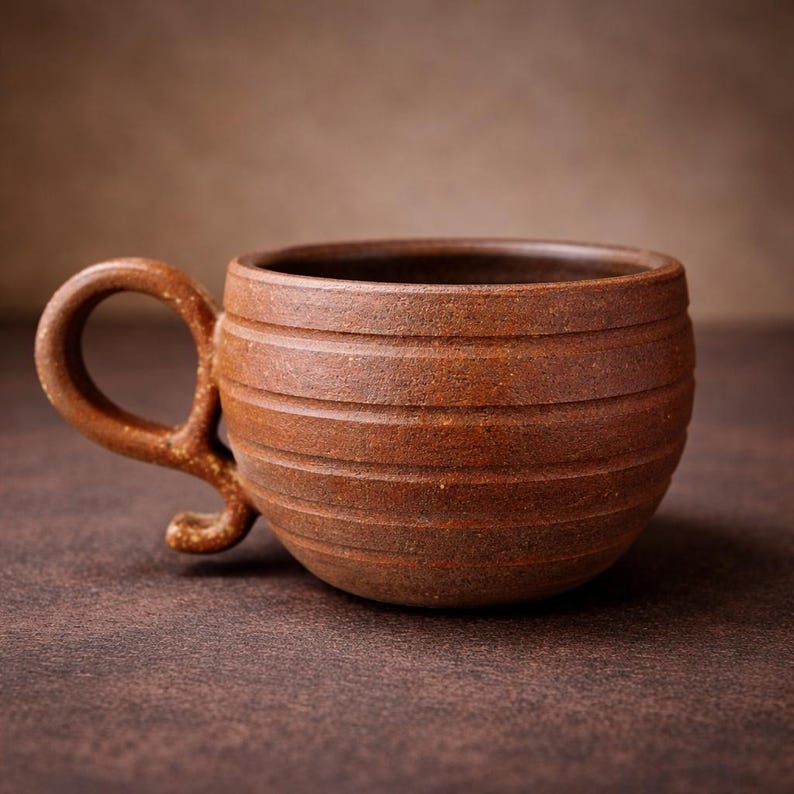
- Studio pottery + stoneware: mugs, bud vases, planters (buyers love texture + hand-feel).
- Sweaters + winter wear: ’90s fisherman knits, ski fleeces, early-’00s windbreakers.
- Ornaments + tabletop: glass sets, runners, napkin rings, linen sets.
- Books + vinyl: holiday LPs, jazz/crooners, illustrated seasonal books, bookends.
- Cameras/film gear: list untested as-is with clear disclosure.
- Ephemera/junk journal packs: sheet music, postcards, maps—curate by color/theme.
- Linens/soft goods: wool blankets, throws, embroidered pillowcases.
Quick age checks (so you list confidently)
No maker mark? Use clues: tags, zippers, old fonts, “Made in USA” on mass brands, barcode styles, book jacket design, hardware weight/finish. If unsure, write: “likely 1990s,” “early 2000s,” “pre-2005 based on tag/style.” Transparency beats guessing.
The 90-minute listing loop: clean → style → shoot
Clean: microfiber, gentle polish (leave some patina), steamer + lint roll, glass cleaner.
Style: holiday-adjacent scenes, minimal props (bough + candlesticks, citrus + barware, mug + book + throw).
Shoot set:
- Hero thumbnail (simple + bright)
- Scale (in-hand or dimension overlay)
- Detail (maker mark, rim, knit texture, LP label)
- All pieces together (if set)
- Condition callout (chips/wear shown clearly)
Add a 10–15 sec video: pan across brass, flip a record, pour into a coupe.
Titles that answer the search (and where Sale Samurai fits)
Holiday buyers type: object + material/era + set/size. Write titles like shelf labels:
- “Vintage Brass Candlestick Set (3) – Mixed Heights, Holiday Mantel”
- “Studio Pottery Mug – Speckled Stoneware (14 oz), 1990s”
- “Vintage Cocktail Set – Shaker + Coupes (4), Mid-Century”
- “Vintage Ephemera Pack (50) – Christmas Reds & Greens, Junk Journals”
Use Sale Samurai as a quick reality check: test the phrase you’d naturally type (vintage brass candlesticks, studio pottery mug, junk journal ephemera). Pick one lead phrase for the title; put related terms in tags. If inventory allows, run a controlled experiment by titling similar items slightly differently and watching CTR.
Pricing fast (and fairly)
- Check comparable actives/solds.
- Adjust for condition + completeness (sets = higher band).
- Aim for gift tiers: under $25 / $50 / $100 when possible (with shipping in mind).
Bundles justify higher prices and reduce buyer decisions.
Bundles that raise AOV and make sense
- Mantel Set: brass tray + candlesticks + bell
- Host Set: shaker + jigger + coupes (+ linen towel in photos)
- Cozy Pair: two mugs + vintage teaspoons
- Table Story: pitcher + plates + trivet
- Ephemera Trio: themed packs discounted together
Title like solved problems: “Vintage Host Set (7) – Bar Cart Ready.”
Shipping promises that earn reviews
Pack like a promise: double-box fragile, sleeve books, tissue-wrap knits, protect corners. Put ship-by cutoffs in banner + image #1/2. Condition honesty now prevents refunds later.
A two-day plan
Day 1: home audit + text your network + two local pickups; polish/steam; photograph 10–12 items; verify one lead phrase per listing in Sale Samurai; list bundles first.
Day 2: thrift → estate sale closeout → antique mall scan; buy lots; clean/shoot/list; publish in waves (4–6 at a time); update banner + “Holiday Drop” section.
Result: 20–30 SKUs in 48 hours with no production delays.
Bottom line
Last-minute vintage isn’t luck—it’s a system. Source close, prioritize giftable categories, shoot clean photos that prove condition and scale, title in buyer language, and ship like you’re mailing a promise. Let Sale Samurai do the small job it’s best at: confirming phrasing and surfacing strong long-tails—then get back to the hunt.
- The Micro-Niche Method: Selling to Tiny Audiences Who Buy Immediately

- The Copycat Trap: How to Ride Trends Without Looking Like Everyone Else

- Phrase Families: How Etsy Shoppers Actually Search (Without Getting Technical)

- Aesthetic Commerce: Why “Vibes” Sell Faster Than Features on Etsy

- Digital-to-Physical on Etsy: The New Hybrid Seller Playbook