Turn discarded materials into Etsy best-sellers with clear search language, smart pricing, and small-but-mighty niches
There’s a special thrill in holding something that’s had a life before yours: a wallet cut from an old leather jacket, a tote stitched from banner vinyl, a bracelet formed from flatware. Upcycling isn’t just a production choice—it’s a story buyers want to tell: I chose the version that saved something. On Etsy, that turns into clicks when the product, photos, and wording match how eco-minded shoppers actually search.
This is a practical playbook for building an eco-conscious line that earns: what to make, what materials to source, how to title and tag in buyer language (like “upcycled leather wallet” or “seatbelt tote”), and how to use Sale Samurai as a compass—confirming phrases and surfacing winnable micro-niches.
Why upcycled goods keep selling
Eco buyers tend to convert for three reasons:
- Meaning beats mass. “Reclaimed,” “salvaged,” “repurposed,” and “rescued” are the value prop.
- Texture proves truth. Scuffs, stitch ghosts, and patina are evidence, not defects—if you frame them that way.
- Gifts with a story. “Made from bike inner tubes” or “hammered from a spoon” sells itself at checkout.
Your job: pick clear categories, photograph durability and provenance early, and price so buyers feel they’re getting something unique—not overpriced.
Sourcing streams that scale
You don’t need a warehouse—just repeatable sources and a good editing habit.
- Post-consumer apparel: leather jackets, belts, denim, canvas workwear, wool coats (look for intact panels + sturdy grain).
- Industrial salvage: bicycle inner tubes, climbing rope, retired fire hose, sailcloth, banner/billboard vinyl, seatbelts.
- Flatware & metal: sterling/silverplate spoons and forks for cuffs, rings, key fobs; copper from cookware (seal properly).
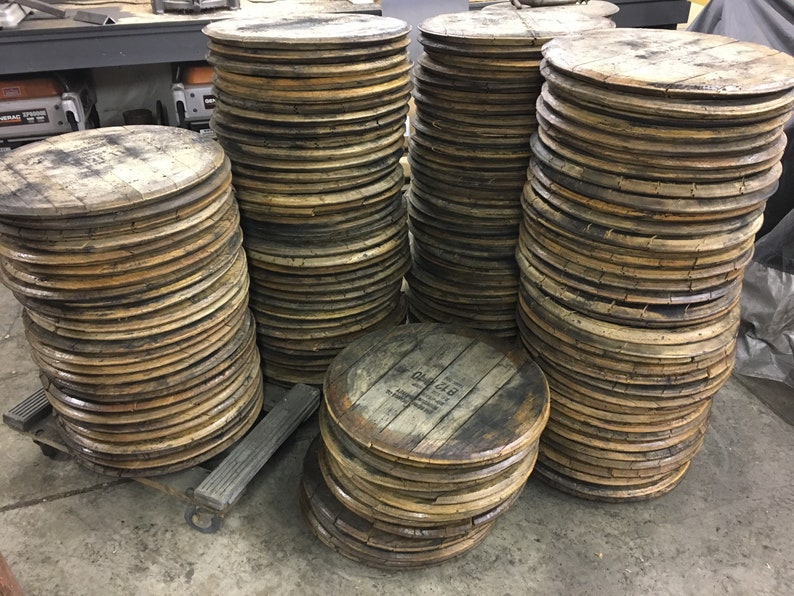
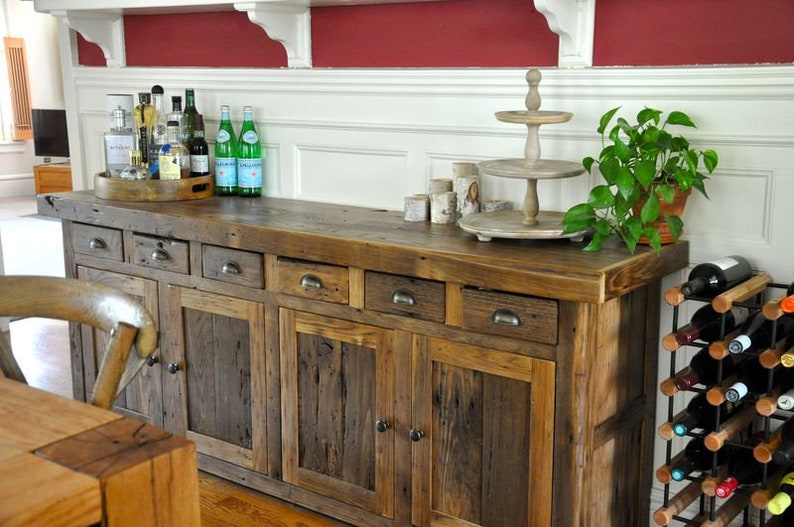
- Reclaimed wood: barn wood offcuts, lath, floorboards, window parts (great for shelves, frames, trays, coat racks).
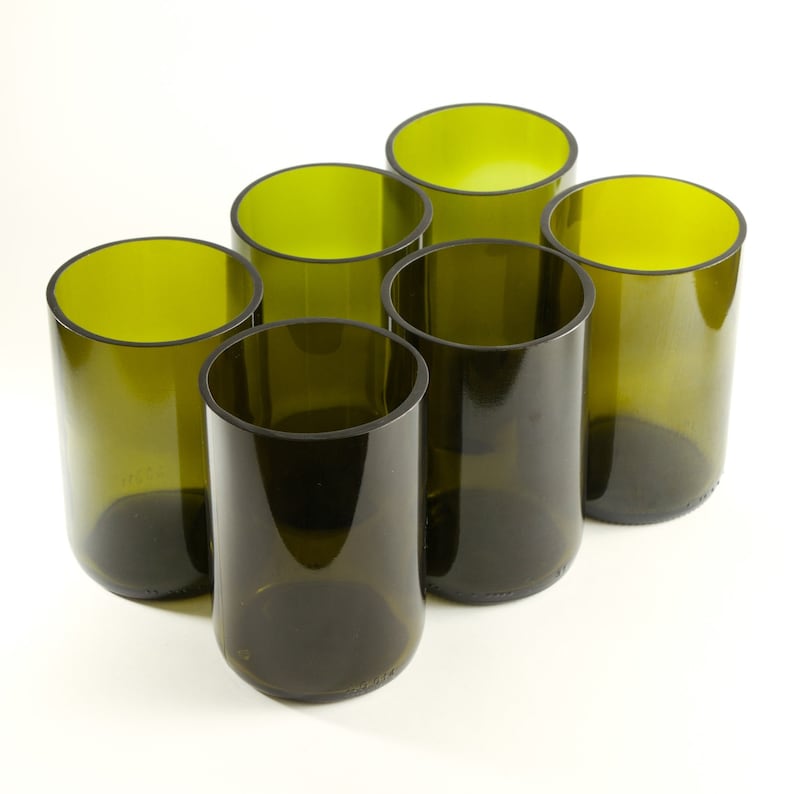
- Glass/ceramic: bottle tumblers, wind chimes, mosaic trays, shard jewelry (mind food-contact and safety notes).
- Deadstock: leather remnants, fabric bolts, hardware lots—clean repeatability with minimal ethical baggage.
- Corporate/event waste (with permission): banners/uniforms—strip/obscure branding unless you have written rights.
Pro tip: keep a simple provenance note for each material source (“reclaimed sailcloth,” “local bike shop inner tubes”). Specifics improve listings and trust.
Product categories that move
1) Leather goods from garments & belts
- Wallets/card holders, key fobs, valet trays, belts
Title style: “Upcycled Leather Wallet – Minimal Card Holder (Reclaimed Jacket)”
Sale Samurai: compare “upcycled leather wallet” vs “reclaimed leather wallet” vs “leather card holder upcycled.”
2) Inner tube, seatbelt & sailcloth carry goods
- Bike-tube wallets/dopp kits, seatbelt totes/crossbodies, sailcloth pouches
Title style: “Upcycled Bike Tube Wallet – Water-Resistant, Slim”
These long-tail terms often convert well when your photos look clean and premium.
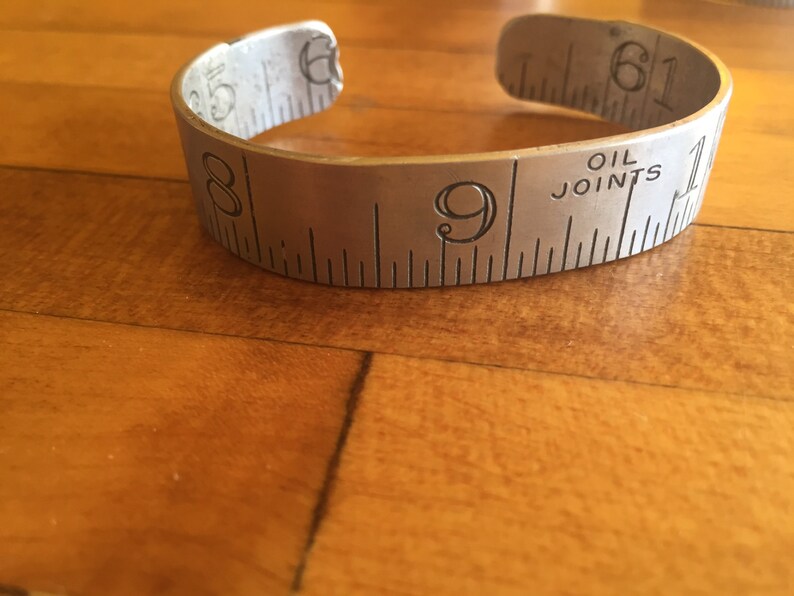
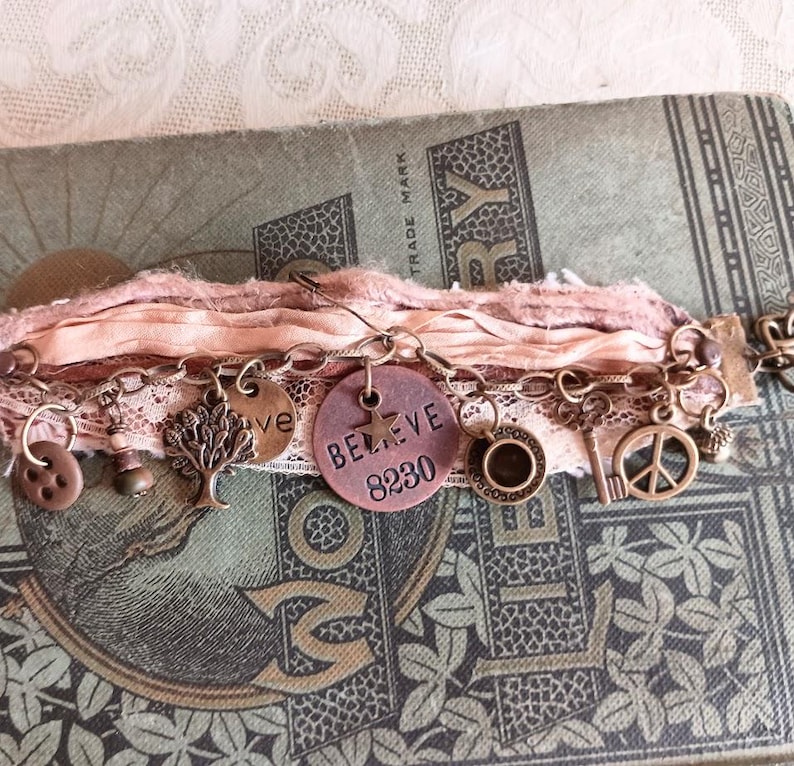
3) Flatware & reclaimed-metal jewelry
- Spoon cuffs/rings (label sterling vs plate clearly), sealed copper cuffs, spoke bangles
Title style: “Reclaimed Bracelet – Sterling Spoon Cuff (Upcycled Flatware)”
If you claim “recycled sterling,” be ready to explain your sourcing briefly.
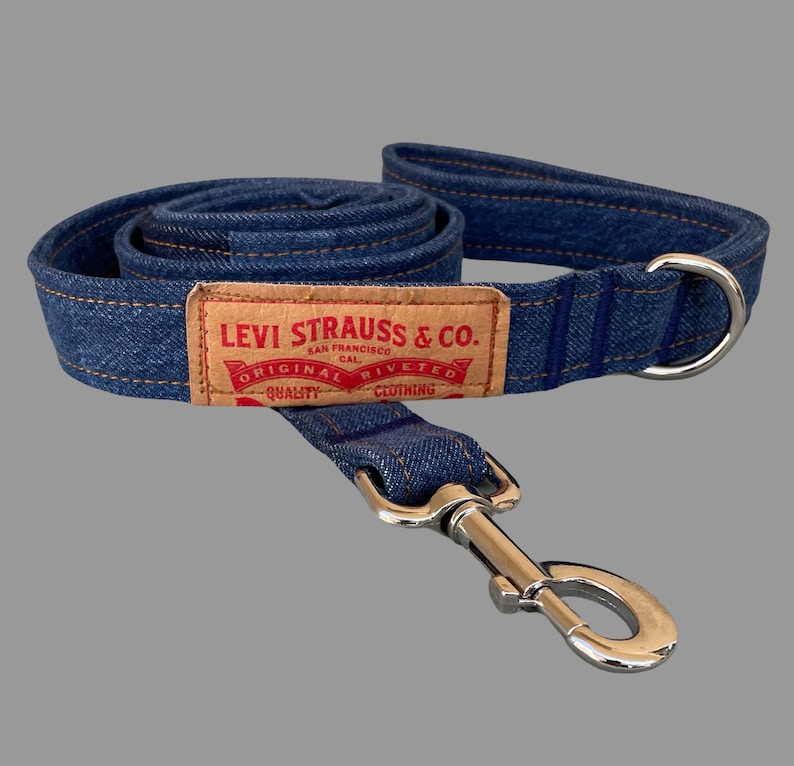
4) Denim & textile rebirth
- Patchwork totes, sashiko-mended jackets, quilted laptop sleeves, rag rugs/coasters
Title style: “Upcycled Denim Tote – Patchwork from Vintage Jeans”
5) Reclaimed wood décor (and useful basics)
- Floating shelves, entry racks, frames, trays, serving boards (only if truly food-safe)
Title style: “Reclaimed Wood Shelf – Barn Wood Floating (24 in)”
6) Glass & ceramic afterlives
- Bottle tumblers (polish rims), wind chimes, shard jewelry, mosaic trays
Title style: “Upcycled Wine Bottle Tumblers – Polished Rim (Set of 2)”
7) Paper & print reuse
- Map journals, atlas notebooks, banner-vinyl wallets, notebook covers from rescued prints
Title style: “Reclaimed Map Journal – Upcycled Atlas Notebook”
8) Pet gear from technical salvage
- Climbing rope leashes, fire-hose collars, seatbelt leads
Title style: “Upcycled Climbing Rope Dog Leash – Carabiner Clip”
These niches have loyal micro-audiences and strong word-of-mouth.
Photos that make “history” feel like value
Upcycled listings convert when the first images answer: What is it? Will it last? Where did it come from?
- Hero: clear, bright, intent-forward (wallet open, tote on shoulder, shelf holding weight).
- Origin proof: texture/mark/patina—caption it as history included.
- Construction: stitching, edges, hardware, lining—reassure durability.
- Scale: in-hand, next to a phone, or dimension overlay.
- Optional source shot: raw material beside finished item (tasteful, not messy).
- Packaging: recycled wrap + “Made from ___” card.
Keep colors calm; let texture be the star.
Titles & tags that match buyer search
Eco shoppers search material + object, not vague ideals. Build titles like labels:
- “Seatbelt Tote – Upcycled Webbing Bag, Crossbody”
- “Reclaimed Bracelet – Sterling Spoon Cuff”
- “Reclaimed Wood Shelf – Barn Wood Floating, 24 in”
Sale Samurai habit (light + effective):
- Start with the phrase you’d type as a human.
- Collect 2–3 long-tails with friendlier competition.
- Front-load one phrase in the title; put the rest in tags.
- Track a few terms so you notice when a variant starts rising.
Pricing that respects labor (and wins tiers)
Price using three levers:
- Prep difficulty: fire hose and seatbelts take real work; charge for it.
- Finish quality: burnished edges, sealed wood, lined interiors, premium hardware = premium price.
- Gift tiers: create versions that land at common thresholds (under $25 / $50 / $100).
A simple ladder helps conversions:
- Good: card sleeve
- Better: lined bifold
- Best: zip wallet with upgraded hardware
Trust & safety without speeches
- Be precise about materials and age/condition.
- Don’t use obvious third-party logos from banners/uniforms without written rights.
- For food-contact items, disclose finish/care.
- For metals, label accurately (sterling vs plate) and mention patina/sealing.
Clear boundaries increase trust—and reduce returns.
Bundles that raise AOV
- Commuter set: card holder + key fob + cable wrap
- Entryway set: shelf + hook rack + tray
- Sailcloth trio: pouches with number appliqués
Title like a solution and photograph together. Bundles sell “gift-ready” without extra copy.
Wrap-up
Eco-conscious buyers already search for what you’re making: upcycled leather wallet, reclaimed bracelet, seatbelt tote, sailcloth pouch, climbing rope leash, reclaimed wood shelf. Your edge is in the edit—strong forms, honest materials, clean photos that prove durability, and titles that sound like the buyer’s request.
Let Sale Samurai do the small job it’s best at: confirm the phrasing, reveal long-tails with friendlier competition, and alert you when a quirky variant starts warming up. The rest is craft, clarity, and consistency—the three things that turn “discarded” into “add to cart.”
- Why Some Listings Get Clicks but No Sales: The Trust Gap Problem
- The Etsy Bundle Spell: How to Increase AOV Without Feeling Pushy
- Seasonal Without the Panic: Evergreen Themes That Still Spike at Holidays
- Printable Goldmines That Aren’t Planners: The Quiet Categories People Ignore
- The Micro-Niche Method: Selling to Tiny Audiences Who Buy Immediately