If you’ve ever looked at two Etsy listings selling essentially the same thing—same format, similar price, comparable quality—and watched one of them outsell the other by a mile, you’ve already met the truth Etsy doesn’t always say out loud:
On Etsy, people don’t just buy products.
They buy a feeling.
Not in a cheesy “manifest your dream life” way (though Etsy will happily take your money either way). In a very practical, shopper-brain way. Etsy is a marketplace where discovery is driven by taste, identity, and self-expression. The customer is browsing with their future self in mind:
- “This feels like my kitchen.”
- “This looks like the kind of mom I want to be.”
- “This is the vibe my apartment is missing.”
- “This would make the awesomest gift for my friend who is so this.”
That’s aesthetic commerce. And once you understand it, your listings get easier to plan, easier to title, and easier to sell.
Etsy is not Amazon. It’s closer to a boutique street.
Amazon is “search-first.” The shopper tends to arrive with a need: I need a phone case. I need a planner. They compare features, delivery speed, reviews, and price.
Etsy is “taste-first.” Even when someone searches, they’re often still browsing for the right style. They might type “kitchen wall art,” but what they really mean is:
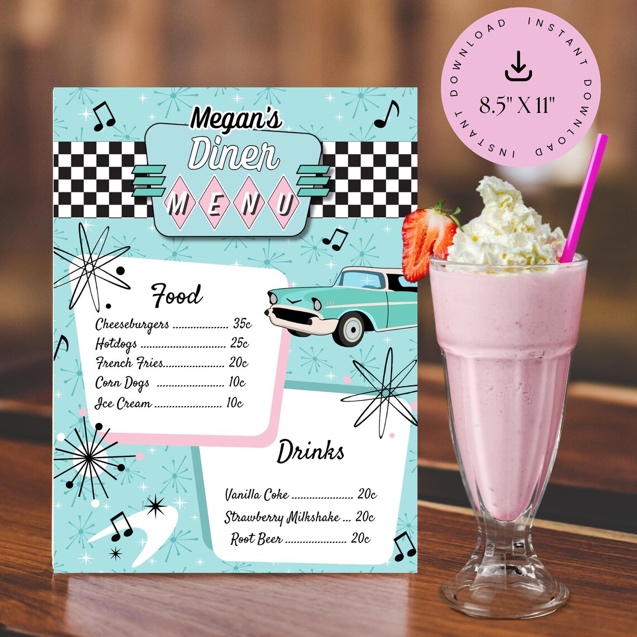
- retro diner
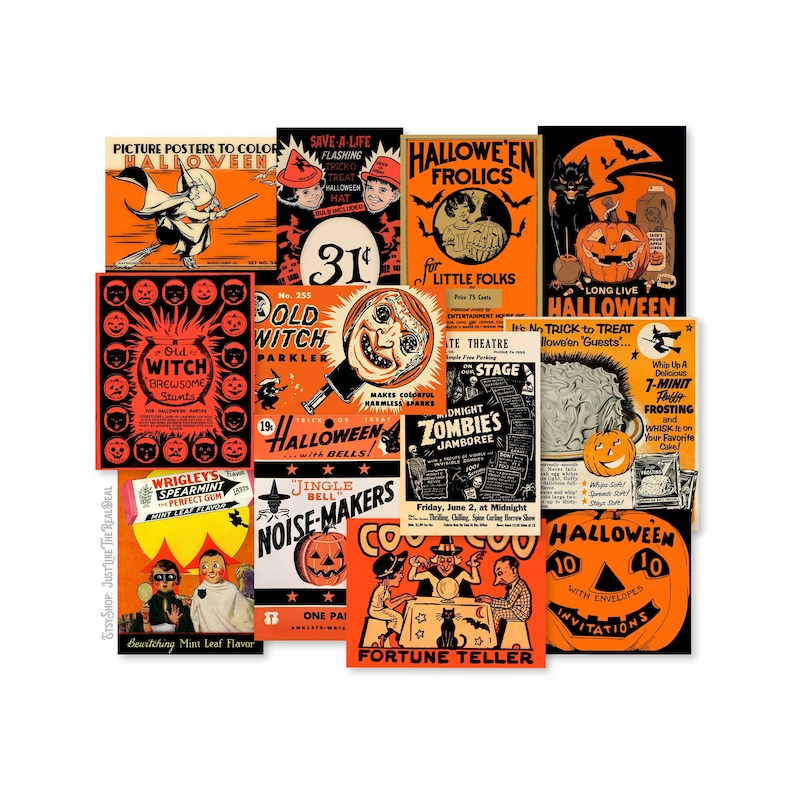
- vintage Halloween kitchen
- mid-century modern
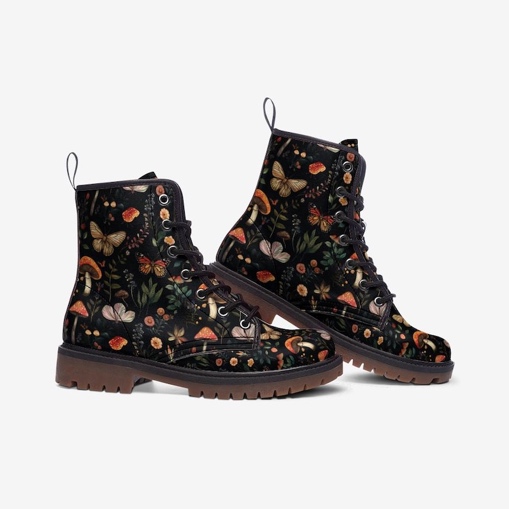
- cottagecore
- minimalist typography
- dark academia
- coastal grandmother
- maximalist color pop
They’re not shopping for an object. They’re shopping for a micro-world.
If your listing speaks in features (“Printable PDF. 8.5×11. Instant download.”) but the winning listings speak in vibe (“Cozy farmhouse morning checklist for slow Sundays”), you can guess which one gets clicked first.
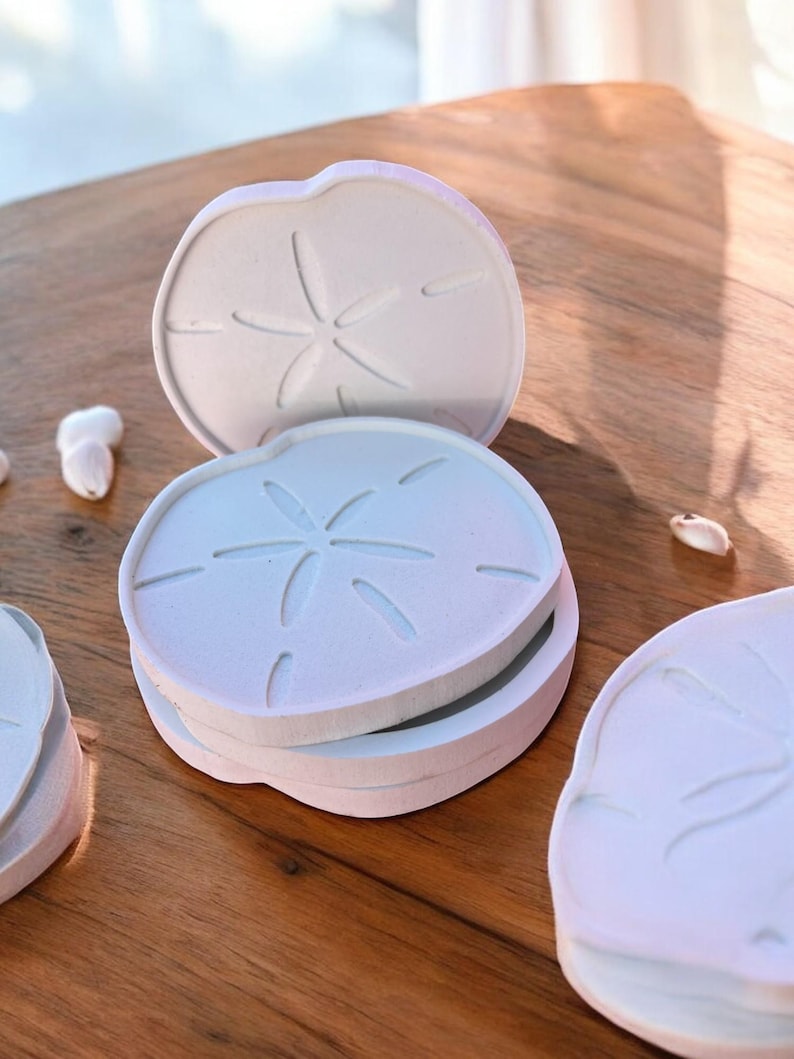

Why vibes win: shoppers use aesthetics as shortcuts
Aesthetic is a decision shortcut. It helps buyers decide quickly:
- Is this for me?
- Does this match my home?
- Does this match the person I’m gifting?
- Does this match the season / mood / life phase?
It reduces friction. And on Etsy, reduced friction = sales.
The biggest mistake sellers make is thinking they’re competing on “better product.” Often, they’re competing on “clearer aesthetic.”
When buyers can’t instantly place your item in a style world, they hesitate. Hesitation becomes scrolling. Scrolling becomes lost sales.
“Aesthetic” doesn’t mean “pretty.” It means “coherent.”
Aesthetic is not “make it beautiful.”
Aesthetic is:
This product belongs to a recognizable style universe.
That can be:
- cute and childish
- clean and minimal
- gothic and romantic
- soft and cozy
- loud and irreverent
- vintage and nostalgic
- practical and comforting
Coherence is what makes a shop feel trustworthy.
It’s also what makes a shop feel like it has a point of view—which is the Etsy version of “brand.”
The Etsy buyer is shopping for identity (even when it’s “just a printable”)
Here’s the part that surprises people: even a digital product is an identity product.
A meal planner is not just a meal planner. It’s a statement:
- “I’m a person who has their life together.”
- “I’m a cozy homebody.”
- “I’m a busy mom but I’m trying.”
- “I’m neurodivergent and I need gentle structure.”
- “I’m a minimalist and clutter stresses me out.”
Etsy is full of products that are basically “identity scaffolding.” They help people feel like the version of themselves they want to be.
So when you create listings, you’re not only selling function. You’re selling permission and self-image.
That’s why vibes sell.
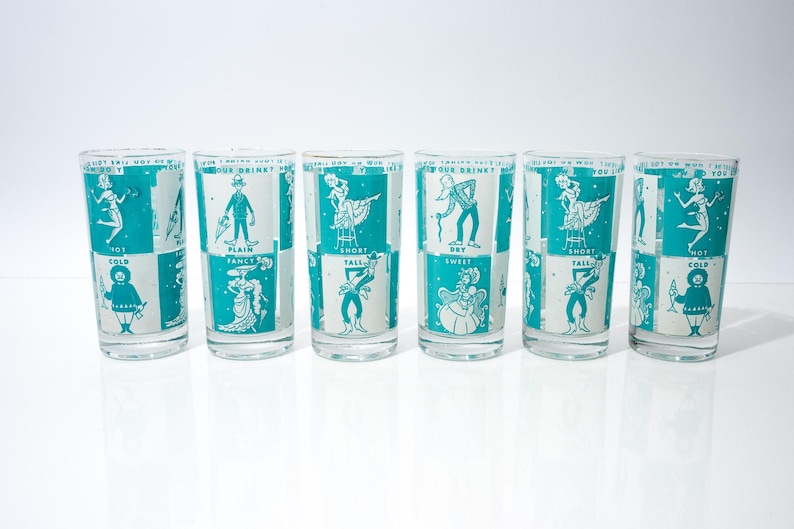
The “Vibe Ladder”: how buyers move from aesthetics to purchase
Most Etsy purchases follow a simple emotional ladder:
- Recognition — “Oh, that’s my vibe.”
- Specificity — “That fits my exact situation.”
- Trust — “This looks legit and well-made.”
- Ease — “I know how I’d use this.”
- Justification — “Worth it.” (or “Perfect gift.”)
- Checkout
If your listing is missing step 1, everything else is uphill.
How to build a vibe that actually sells
A vibe that sells is a combination of three things:
1) A named style world
Not “cute.” Not “pretty.” Something searchable and specific:
- mid-century modern
- retro diner
- vintage Halloween
- cottagecore
- dark academia
- minimalist
- boho
- pastel goth
- coastal
- rustic farmhouse
2) A clear use-case
Where does it live? When is it used?
- morning routine
- teacher gift
- baby shower
- kitchen decor
- office desk
- wedding day
- kids party
- seasonal reset
- “Sunday prep”
3) A buyer identity
Who is the buyer trying to be?
- organized mom
- bookish introvert
- maximalist hostess
- newlywed nesting person
- teacher who deserves better
- spooky season enthusiast
- ADHD-friendly “gentle structure” person
When you align all three, your product stops being a commodity.
It becomes obviously right.
Product examples: same category, different “worlds”
Let’s use one product category as a lens: a printable weekly planner.
A boring listing:
“Weekly Planner Printable PDF, 8.5×11, Instant Download”
Aesthetic commerce listings:
- “Minimalist Weekly Planner for Calm, Clean Productivity (Neutral + Modern)”
- “Cottagecore Weekly Planner for Cozy Home Routines (Soft Florals + Warm Feel)”
- “Dark Academia Weekly Planner for Study Sessions (Vintage Library Aesthetic)”
- “Color Pop Weekly Planner for ADHD-Friendly Focus (Bold Sections + Simple Layout)”
- “Retro 70s Weekly Planner for Groovy Routines (Warm Stripes + Nostalgia)”
Same function. Totally different buyer brain.
That’s the whole game.
Titles and tags: you’re not optimizing keywords—you’re translating vibes
On Etsy, keywords aren’t just “search terms.” They’re how shoppers describe their taste.
This is where Sale Samurai can help without turning your process into a science experiment.
Instead of guessing whether buyers say “cozy kitchen” vs “cottagecore kitchen,” you can use Sale Samurai to validate the phrases real people type—so your vibe has handles the algorithm can grab.
A simple workflow:
- Pick your vibe world (ex: “retro kitchen”)
- Pick your product category (ex: “printable wall art”)
- Use Sale Samurai to find common phrasing and adjacency (what else shoppers pair with it)
- Build listings that sound like the buyer, not like a product spec sheet
This is the difference between:
- describing what it is
vs - describing why it belongs in someone’s life
The “Trust Gap” problem: when your vibe is right but sales are wrong
Sometimes a listing gets views and favorites but not purchases. That’s usually because your vibe is strong, but trust isn’t fully built.
Common trust show-stoppers on Etsy:
- unclear sizing or usage (“What am I actually getting?”)
- weak mockups or poor context (doesn’t “live” in a space)
- too many competing styles in one shop (feels random)
- inconsistent typography or color across listings (feels sloppy)
- unclear “who this is for” (gift confusion)
Aesthetic commerce gets the click. Trust gets the sale.
So once your vibe brings the shopper in, make the purchase feel safe:
- show it in use
- show scale
- show what’s included
- keep your design system consistent
- write like a human, not a spec sheet
The easiest way to win on Etsy: become “the shop for that vibe”
A lot of sellers try to sell everything. Etsy rewards sellers who sell a coherent world.
You don’t have to be a massive shop. You just have to be specific.
Instead of “I sell printables,” try:
- “I sell cozy home routine printables”
- “I sell retro kitchen wall art + labels”
- “I sell dark academia study printables”
- “I sell teacher gift printables + classroom organization”
When your shop becomes a destination for a vibe, you get:
- more favorites
- more repeat buyers
- higher conversion (because the buyer already trusts your taste)
- easier product development (because you know what belongs)
Quick action steps you can apply this week
If you want to turn “vibes sell” into actual listings, here’s a clean starter plan:
- Pick one aesthetic you can commit to for 30 days.
- Pick one product category you can build a small collection in.
- Create 6–10 coordinated listings that share a design system.
- Use Sale Samurai to sanity-check the vibe language buyers actually use.
- Update titles to lead with vibe + use-case, then include product specs after.
- Make mockups show the product living in its world (not floating on white).
This is how you go from “listing products” to “building a shop.”
Final thought: Etsy is a marketplace of tiny worlds
Etsy shoppers are curating their spaces, their routines, their gifts, and their identities.
If you speak only in features, you sound like a listing.
If you speak in vibe, you sound like a solution—a match, a moment of recognition, a little hit of “that’s me.”
That’s why vibes sell faster than features.
And once you build that muscle, your next listings stop being guesswork.
They become:
“What does my world need next?”
- Why Some Listings Get Clicks but No Sales: The Trust Gap Problem
- The Etsy Bundle Spell: How to Increase AOV Without Feeling Pushy
- Seasonal Without the Panic: Evergreen Themes That Still Spike at Holidays
- Printable Goldmines That Aren’t Planners: The Quiet Categories People Ignore
- The Micro-Niche Method: Selling to Tiny Audiences Who Buy Immediately