If you’ve ever stared at Etsy search and thought…
- “Why is my listing not showing up?”
- “I used the right keywords… didn’t I?”
- “How are they on page one when my product is better?”
…you’re not alone.
But here’s the most helpful truth you can learn about Etsy search without turning your brain into a spreadsheet:
Etsy shoppers don’t search with one perfect keyword.
They search in phrase families—clusters of related phrases that orbit the same intention.
And if you understand phrase families, your listings get easier to write, your tags get easier to choose, and your products get easier for buyers to find—without feeling like you’re doing “SEO homework.”
Let’s break it down in plain English.
 What is a phrase family?
A phrase family is a group of search phrases that are different on the surface… but mean roughly the same thing underneath.
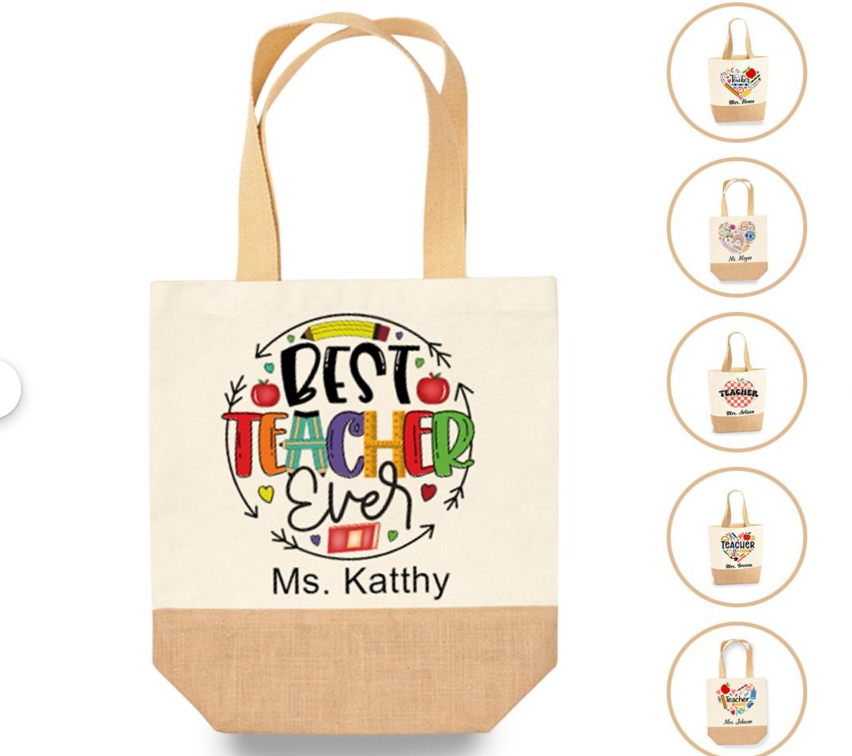
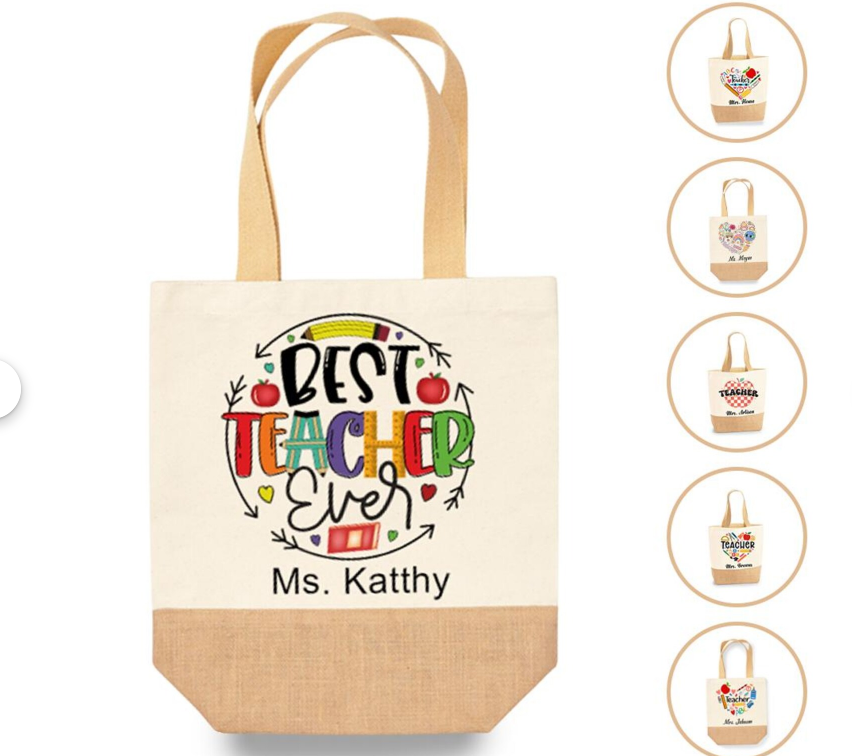
Example: Someone searching for “teacher gift” might also search:
- “gift for teacher”
- “teacher appreciation”
- “end of year teacher gift”
- “teacher thank you”
- “teacher mug”
- “teacher tote bag”
Different phrases, same shopping mission. That’s a phrase family.
And Etsy buyers constantly bounce around inside a phrase family until they find something that matches what they pictured in their head.
Why phrase families matter more than “the perfect keyword”
Creators often try to find the keyword. But Etsy search behavior is more like a web than a straight line.
Buyers start broad: “kitchen wall art”
Then they narrow: “retro kitchen wall art”
Then they narrow again: “retro diner kitchen wall art”
Then they get specific: “pink retro kitchen wall print set”
That narrowing path is a phrase family in motion.
So, the goal isn’t to guess the one perfect phrase. The goal is to place your listing inside the family so Etsy understands what you’re offering and buyers recognize it when they see it.
The 5 most common “phrase family ingredients” on Etsy
Most Etsy search phrases are built from some combination of these:
- Product type
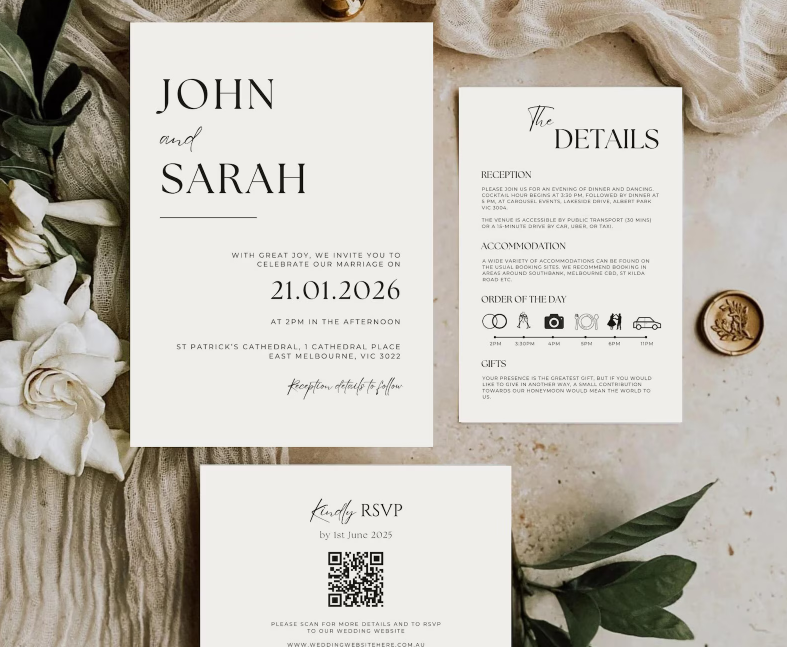
- mug, shirt, printable, wall art, invitation, template, sticker
- Theme / subject
- teacher, cat, mushroom, horror, baby shower, book lover
- Aesthetic / vibe
- minimalist, boho, retro, cottagecore, goth, pastel
- Use-case / moment
- gift, birthday, party, nursery, end of year, wedding
- Format / delivery (especially for digital)
- printable, editable, instant download, PDF, Canva template
When you mix these ingredients, you get phrase families.
Example family:
- “boho nursery wall art”
- “boho nursery printable”
- “neutral nursery prints”
- “boho baby room decor”
- “minimalist nursery wall print set”
Same family. Same intention. Different entry points.
A simple way to think in phrase families (without losing your mind)
Here’s the easiest mental model:
Phrase family = “What it is” + “Who it’s for” + “What vibe it is”
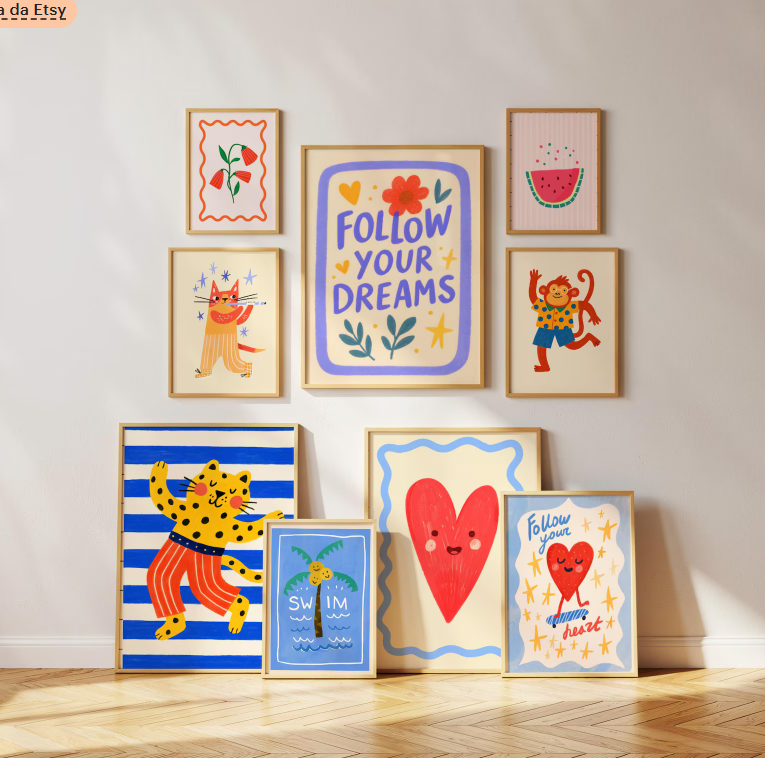
So if you sell a downloadable kitchen print set, you’re not just selling: “printable wall art.”
You’re selling:
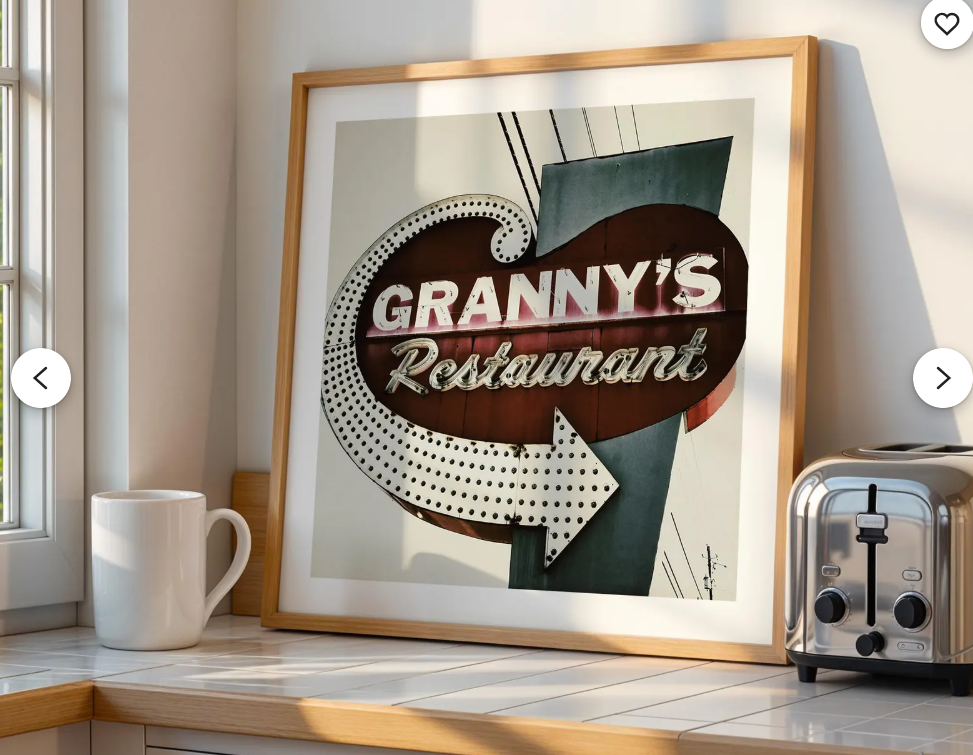
- retro kitchen wall art
- diner kitchen print set
- vintage kitchen decor
- mid-century kitchen printable
- farmhouse kitchen sign
- etc.
Each is a different doorway into the same room. Your job is to put enough doors on the house.
The “Three Doorway” rule (the simplest listing strategy that works)
For each listing, aim to include at least three different doorways into the same product:
Doorway 1: Product + Use case
Example: “printable wall art set”
Doorway 2: Theme / niche
Example: “kitchen decor”
Doorway 3: Aesthetic / vibe
Example: “retro diner”
Now your listing isn’t relying on one phrase. It’s positioned across the phrase family web.
Why some listings get clicks but don’t convert (phrase family mismatch)
Sometimes you’ll rank and still not sell. That often happens when the phrase family gets confused.
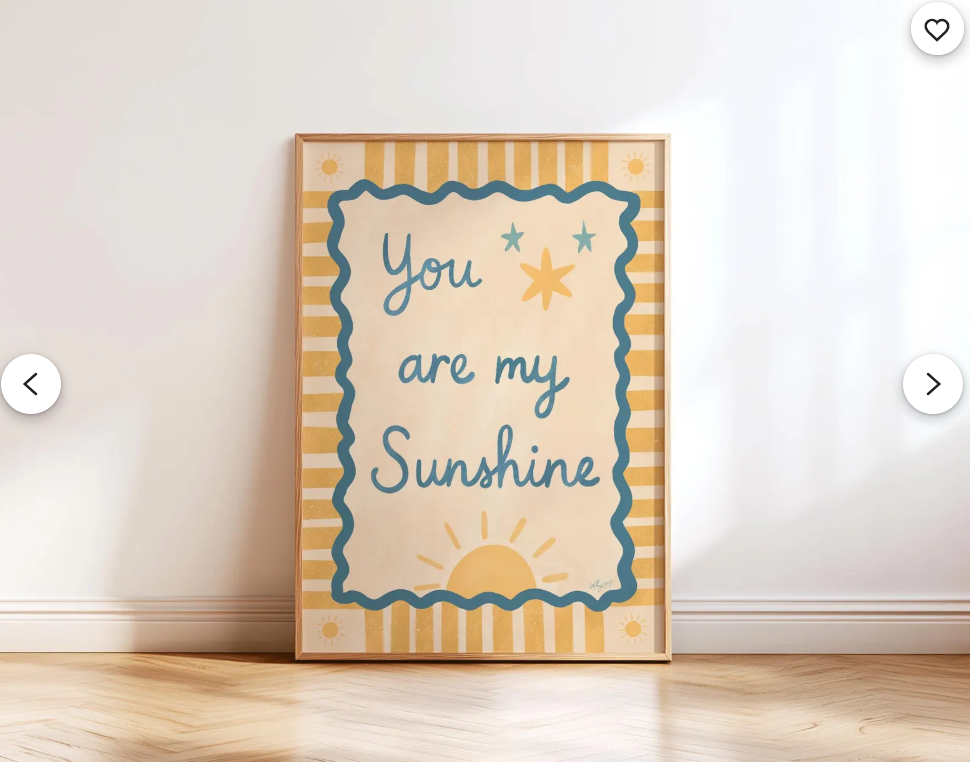
Example: Your title says “boho nursery print”
…but the image looks like bold, bright modern pop art.
Etsy might show you to boho shoppers…and boho shoppers might click
…but then they bounce because it doesn’t match the vibe they expected.
Phrase families aren’t just about keywords. They’re about promise matching:
Where Sale Samurai fits:
Sale Samurai is helpful here because it can reveal the actual phrase families shoppers use—so you don’t rely on guesswork.
Instead of brainstorming endless tags, you can validate:
- which phrases cluster together
- which aesthetics are paired with which product types
- which “gift moments” are common in searches
- which wording shoppers choose at night when they’re ready to buy
But the main takeaway is still simple:
Write listings that belong to a phrase family, not a single keyword.

A fast phrase-family exercise you can do in 10 minutes
Pick one product. Then write 3 mini lists:
1) Product types
- printable
- wall art
- set of 3
- poster
2) Themes / subjects
- kitchen
- coffee bar
- diner
- breakfast
3) Aesthetics
- retro
- vintage
- mid-century
- pink
Now mix and match into 10 phrases.
You just created a phrase family map—without tools, without stress.
NEWSLETTER
Hello Etsy Creators!
Etsy shoppers don’t search with one perfect keyword—they search in phrase families (clusters of related phrases that orbit the same buying intention). Once you think in phrase families, titles and tags get easier without getting “technical.”
- What phrase families are and why they beat “one perfect keyword”
- The five common ingredients that build Etsy search phrases
- The simple “Three Doorways” rule to position listings inside the family web
When your words and visuals match the buyer’s intention, clicks turn into sales. Read more about it here:
To your success,
Sale Samurai
SALE SAMURAI 2026 #6
Phrase Families: How Etsy Shoppers Actually Search (Without Getting Technical)
If you’ve ever stared at Etsy search and thought…
- “Why is my listing not showing up?”
- “I used the right keywords… didn’t I?”
- “How are they on page one when my product is better?”
…you’re not alone.
But here’s the most helpful truth you can learn about Etsy search without turning your brain into a spreadsheet:
Etsy shoppers don’t search with one perfect keyword.
They search in phrase families—clusters of related phrases that orbit the same intention.
And if you understand phrase families, your listings get easier to write, your tags get easier to choose, and your products get easier for buyers to find—without feeling like you’re doing “SEO homework.”
Let’s break it down in plain English.
 What is a phrase family?
A phrase family is a group of search phrases that are different on the surface… but mean roughly the same thing underneath.
Example: Someone searching for “teacher gift” might also search:
- “gift for teacher”
- “teacher appreciation”
- “end of year teacher gift”
- “teacher thank you”
- “teacher mug”
- “teacher tote bag”
Different phrases, same shopping mission. That’s a phrase family.
And Etsy buyers constantly bounce around inside a phrase family until they find something that matches what they pictured in their head.
Why phrase families matter more than “the perfect keyword”
Creators often try to find the keyword. But Etsy search behavior is more like a web than a straight line.
Buyers start broad: “kitchen wall art”
Then they narrow: “retro kitchen wall art”
Then they narrow again: “retro diner kitchen wall art”
Then they get specific: “pink retro kitchen wall print set”
That narrowing path is a phrase family in motion.
So, the goal isn’t to guess the one perfect phrase. The goal is to place your listing inside the family so Etsy understands what you’re offering and buyers recognize it when they see it.
The 5 most common “phrase family ingredients” on Etsy
Most Etsy search phrases are built from some combination of these:
- Product type
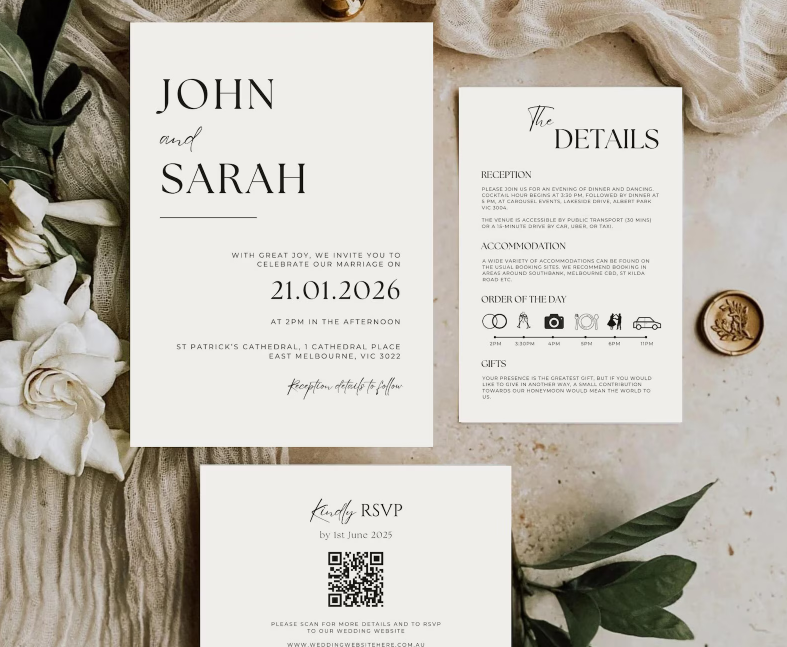
- mug, shirt, printable, wall art, invitation, template, sticker
- Theme / subject
- teacher, cat, mushroom, horror, baby shower, book lover
- Aesthetic / vibe
- minimalist, boho, retro, cottagecore, goth, pastel
- Use-case / moment
- gift, birthday, party, nursery, end of year, wedding
- Format / delivery (especially for digital)
- printable, editable, instant download, PDF, Canva template
When you mix these ingredients, you get phrase families.
Example family:
- “boho nursery wall art”
- “boho nursery printable”
- “neutral nursery prints”
- “boho baby room decor”
- “minimalist nursery wall print set”
Same family. Same intention. Different entry points.
A simple way to think in phrase families (without losing your mind)
Here’s the easiest mental model:
Phrase family = “What it is” + “Who it’s for” + “What vibe it is”
So if you sell a downloadable kitchen print set, you’re not just selling: “printable wall art.”
You’re selling:
- retro kitchen wall art
- diner kitchen print set
- vintage kitchen decor
- mid-century kitchen printable
- farmhouse kitchen sign
- etc.
Each is a different doorway into the same room. Your job is to put enough doors on the house.
The “Three Doorway” rule (the simplest listing strategy that works)
For each listing, aim to include at least three different doorways into the same product:
Doorway 1: Product + Use case
Example: “printable wall art set”
Doorway 2: Theme / niche
Example: “kitchen decor”
Doorway 3: Aesthetic / vibe
Example: “retro diner”
Now your listing isn’t relying on one phrase. It’s positioned across the phrase family web.
Why some listings get clicks but don’t convert (phrase family mismatch)
Sometimes you’ll rank and still not sell. That often happens when the phrase family gets confused.
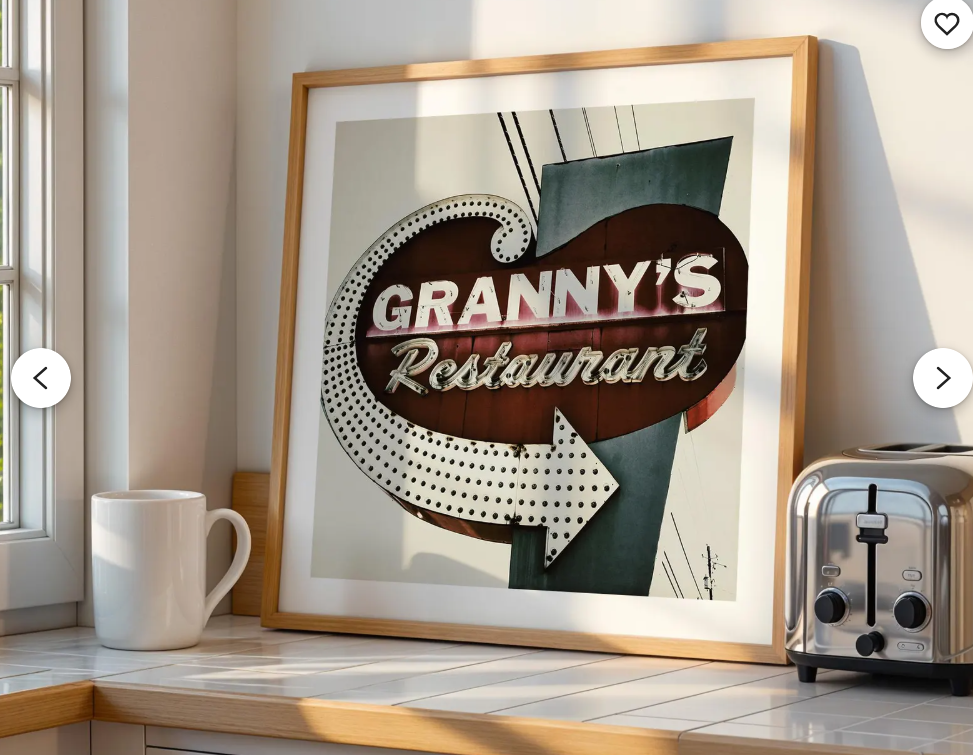
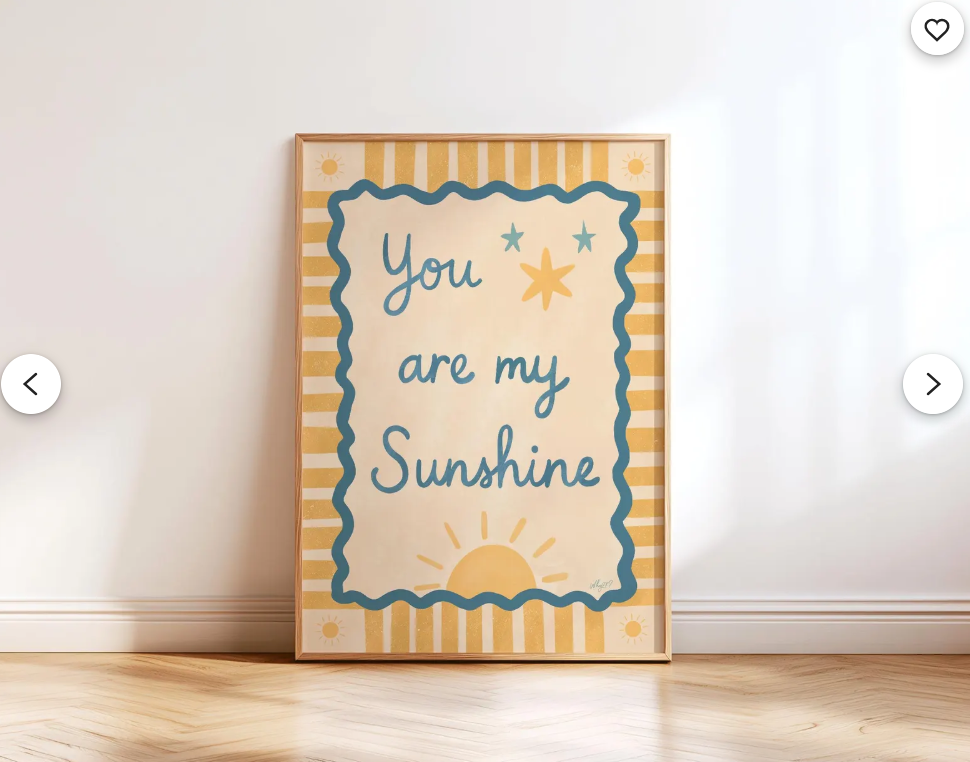
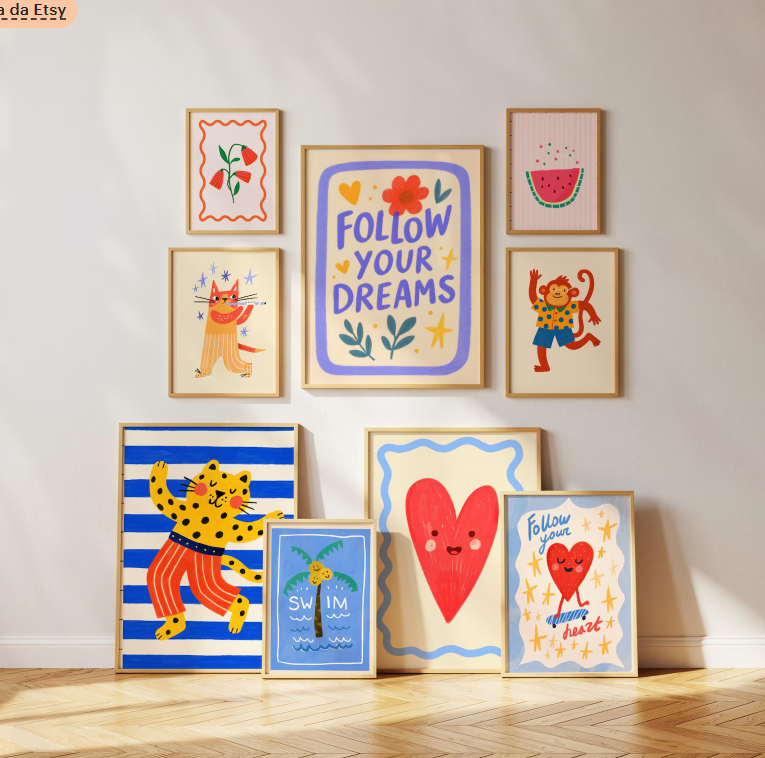
Example: Your title says “boho nursery print”
…but the image looks like bold, bright modern pop art.
Etsy might show you to boho shoppers…and boho shoppers might click
…but then they bounce because it doesn’t match the vibe they expected.
Phrase families aren’t just about keywords. They’re about promise matching:
Where Sale Samurai fits:
Sale Samurai is helpful here because it can reveal the actual phrase families shoppers use—so you don’t rely on guesswork.
Instead of brainstorming endless tags, you can validate:
- which phrases cluster together
- which aesthetics are paired with which product types
- which “gift moments” are common in searches
- which wording shoppers choose at night when they’re ready to buy
But the main takeaway is still simple:
Write listings that belong to a phrase family, not a single keyword.

A fast phrase-family exercise you can do in 10 minutes
Pick one product. Then write 3 mini lists:
1) Product types
- printable
- wall art
- set of 3
- poster
2) Themes / subjects
- kitchen
- coffee bar
- diner
- breakfast
3) Aesthetics
- retro
- vintage
- mid-century
- pink
Now mix and match into 10 phrases.
You just created a phrase family map—without tools, without stress.
- Why Some Listings Get Clicks but No Sales: The Trust Gap Problem
- The Etsy Bundle Spell: How to Increase AOV Without Feeling Pushy
- Seasonal Without the Panic: Evergreen Themes That Still Spike at Holidays
- Printable Goldmines That Aren’t Planners: The Quiet Categories People Ignore
- The Micro-Niche Method: Selling to Tiny Audiences Who Buy Immediately