
A lot of Etsy sellers get stuck chasing “big” niches. They want:
- broad demand
- huge audiences
- lots of traffic
- “everyone could buy this” products
And sure—big niches can work. But big niches are also where you find:
- the most competition
- the most copycats
- the most price pressure
- the most “scroll fatigue” from buyers who’ve seen everything already
Meanwhile, the quiet money on Etsy often lives somewhere else:
Tiny audiences who buy immediately because the listing feels like it was made for them.
That’s the micro-niche method.
And it’s one of the most realistic ways to build a profitable shop if you’re not trying to outspend everyone on ads or outproduce a thousand competitors.
 What a micro-niche actually is
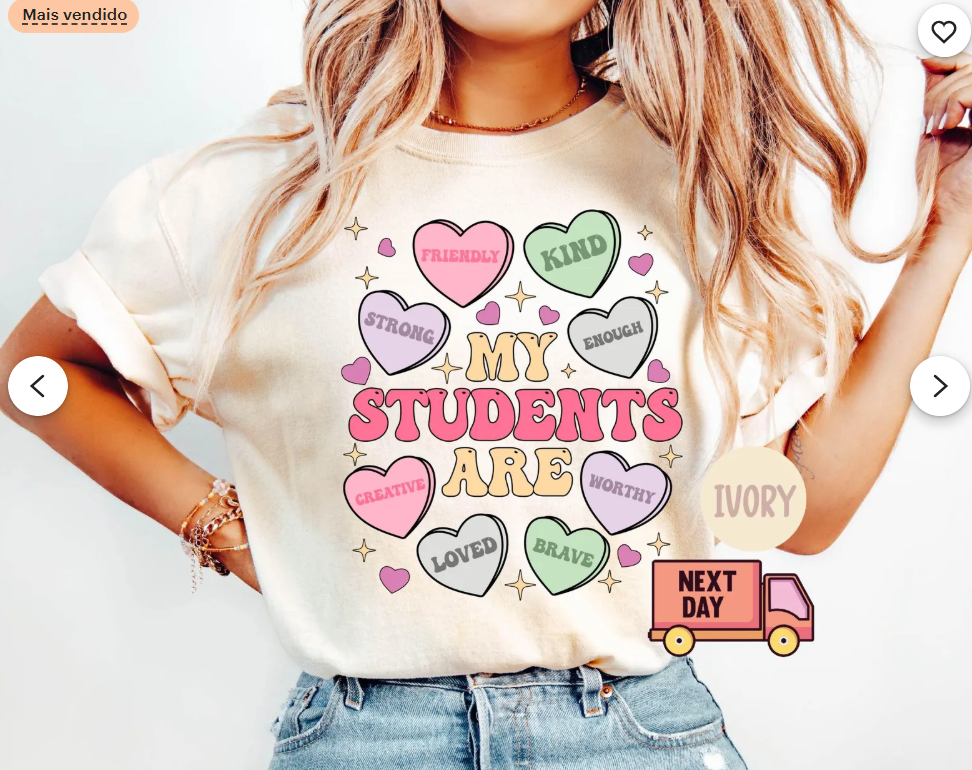
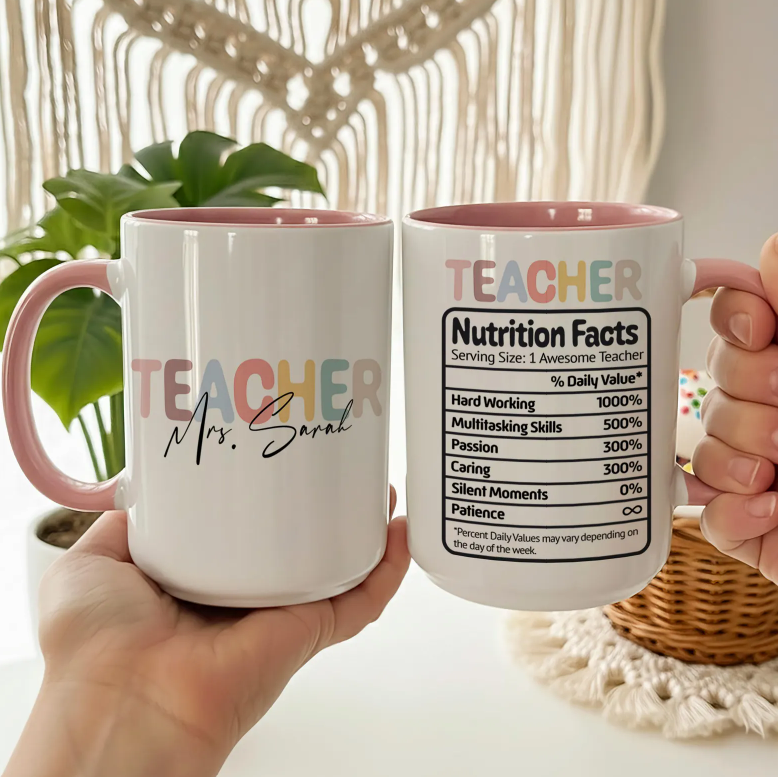
A niche is “teachers.”
A micro-niche is:
- kindergarten teachers
- art teachers
- special ed teachers
- “teachers who run on iced coffee”
- teachers who love cats
- teachers who love retro classroom decor
- teachers who teach second grade in a bilingual classroom
Micro-niches stack identity layers.
They’re not just “who.”
They’re “who + flavor.”
And flavor is what makes someone stop scrolling.
 Why micro-niches convert faster
Because micro-niches reduce friction.
When a buyer sees a micro-niche listing, they don’t think, “Is this for me?” They think, “Finally. Someone made this for my weird little life.”
That emotional certainty is what creates immediate buying behavior.
Micro-niches work well on Etsy because Etsy shoppers are already browsing with identity in mind:
- gifts that feel personal
- products that express taste
- items that match a lifestyle or subculture
- humor that only “our people” understand
Micro-niche products don’t have to be universally loved. They have to be intensely loved by the right group.
The “tiny audience math” that makes micro-niches powerful
Here’s the reframe: You don’t need everyone.
If a micro-niche has 5,000 potential buyers and you become the shop they trust, you can build a real business.
A tiny audience with high intent can beat a giant audience with low intent—especially if the giant audience is saturated.
Micro-niches are often where:
- competition is thinner
- keywords are more specific
- buyers are deeper in “I’m ready to buy” mode
How to build a micro-niche (without making it too small)
There’s a sweet spot.
Too broad: you drown in competition.
Too narrow: nobody searches for it.
So think in stackable layers:
Layer 1: Identity
- teacher, nurse, dog mom, gamer, gardener
Layer 2: Role/Type
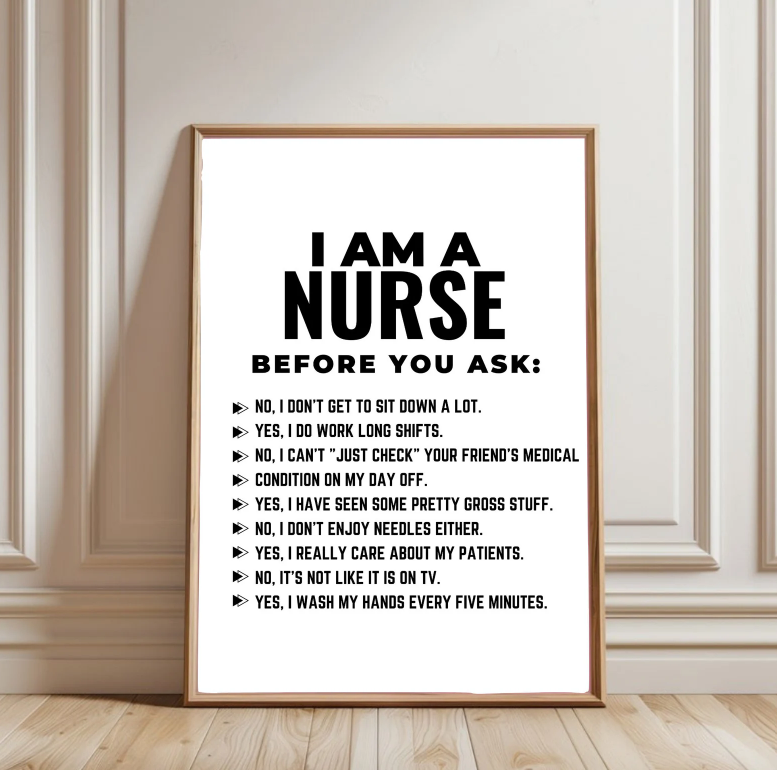
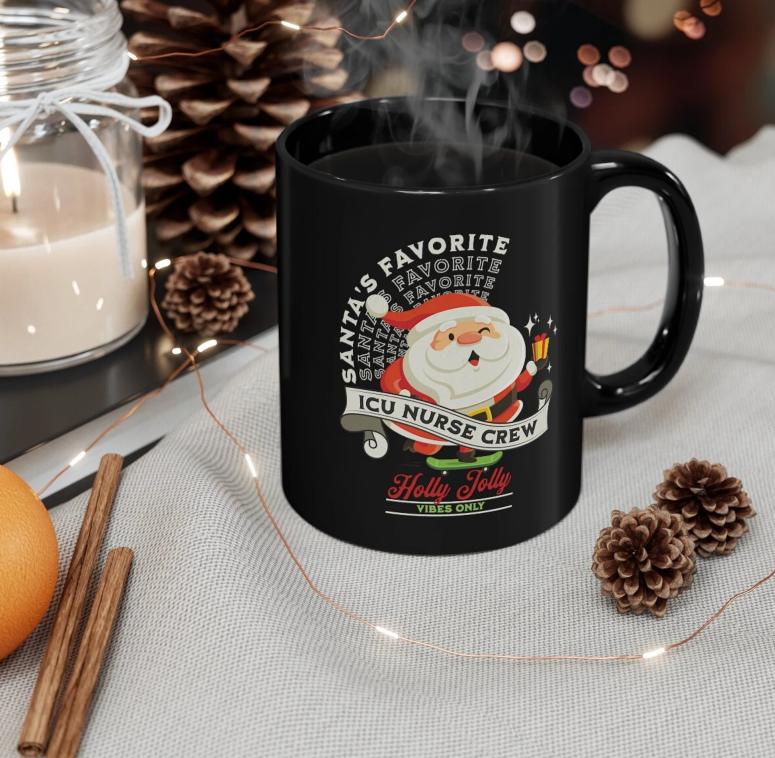
- kindergarten teacher, ICU nurse, doodle dog mom, cozy gamer
Layer 3: Aesthetic / vibe
- minimalist, retro, spooky cute, cottagecore
Layer 4: Situation / moment
- end-of-year gift, burnout humor, first-year, back-to-school
Now you’ve got a micro-niche that’s specific and searchable.
Example micro-niche phrase: “Spooky cute kindergarten teacher back to school shirt”
That’s not a huge audience—but it’s a motivated one.
The micro-niche product advantage: you can create “small catalogs” that dominate
Here’s the real win. Micro-niches don’t need 500 listings. They need a tight set of perfect listings.
If you build:
- 5 designs
- across 3 products
- in one micro-niche
…you’ve created a mini catalog that feels like a specialty shop. And specialty shops feel trustworthy.
That’s how micro-niche sellers can outrank and outsell generic “big niche” shops.
The micro-niche flywheel: how micro-niches scale without losing focus
A lot of people worry, “If I go micro, I’ll get stuck.”
You won’t—if you expand correctly. Expansion method:
- keep your aesthetic system
- keep your product ladder
- change only one layer at a time
Example:
Start: “Spooky cute kindergarten teachers”
Expand to: “Spooky cute art teachers”
Then: “Spooky cute special ed teachers”
Then: “Spooky cute teacher appreciation gifts”
You’re not starting over each time. You’re building a family of related micro-niches.
That’s how shops scale without becoming random.
Micro-niche warning: don’t confuse micro-niche with “inside joke only you understand”
The micro-niche still has to be searchable. If your micro-niche depends on language nobody types into Etsy, it won’t work.
The trick is to make it:
- specific in meaning
- but still built from words buyers actually use
That’s where category words and moment words help:
- gift
- teacher appreciation
- back to school
- printable
- wall art
- mug
- tote
You’re anchoring your specificity to known search behavior.
 Where Sale Samurai fits (without turning this into a technical post)
Sale Samurai is useful here because it helps you validate:
- which micro-niche phrases have real demand
- which combinations are less crowded
- what buyers are actually typing (the language, not your guess)
But even without any tool, the principle holds:
Build micro-niches by stacking identity layers, then create a small catalog that feels like a specialty store.
That’s the method.
- The Micro-Niche Method: Selling to Tiny Audiences Who Buy Immediately

- The Copycat Trap: How to Ride Trends Without Looking Like Everyone Else

- Phrase Families: How Etsy Shoppers Actually Search (Without Getting Technical)
- Aesthetic Commerce: Why “Vibes” Sell Faster Than Features on Etsy

- Digital-to-Physical on Etsy: The New Hybrid Seller Playbook