Trends are seductive on Etsy for one simple reason: They feel like certainty.
When you see the same style over and over—same fonts, same color palette, same mockup vibe—it’s easy to think, “Okay. That must be what buyers want.”
And sometimes, yes: trends signal real demand.
But trends also have a dark side.
Because if you chase them the obvious way, you end up doing the one thing Etsy punishes—quietly and relentlessly: You become interchangeable.
You become “another one of those.”
This post is about how to ride trends without becoming a copycat… and without losing the one thing that actually builds long-term sales: Your identity.
 Why the copycat trap happens (and why it feels so logical)
Most Etsy sellers are not trying to be unoriginal, they’re trying to be safe.
They see a best-selling style and think:
- “I don’t want to waste time on something nobody buys.”
- “If it’s working for them, it should work for me.”
- “I’m not copying—I’m just doing my version.”
And that’s fair, but here’s the issue:
If your “version” isn’t visibly distinct in the first 2 seconds…buyers don’t register it as different. They scroll right past it.
Etsy is an at-a-glance marketplace. Your product gets judged at thumbnail speed.
So, the goal isn’t “don’t follow trends.” The goal is: follow trend…with a signature.
The 3 reasons trend-chasing stops converting
1) Trend saturation creates sameness
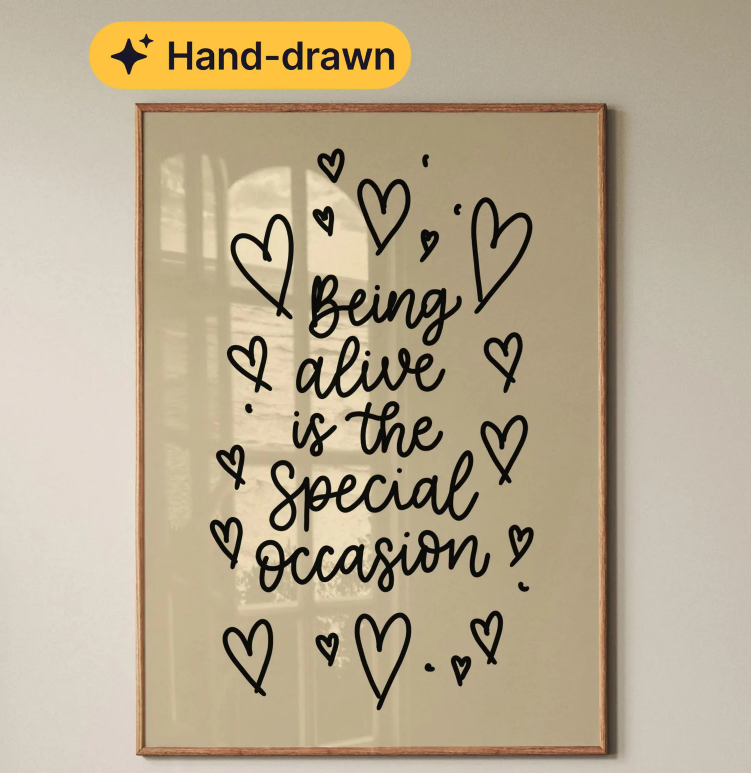
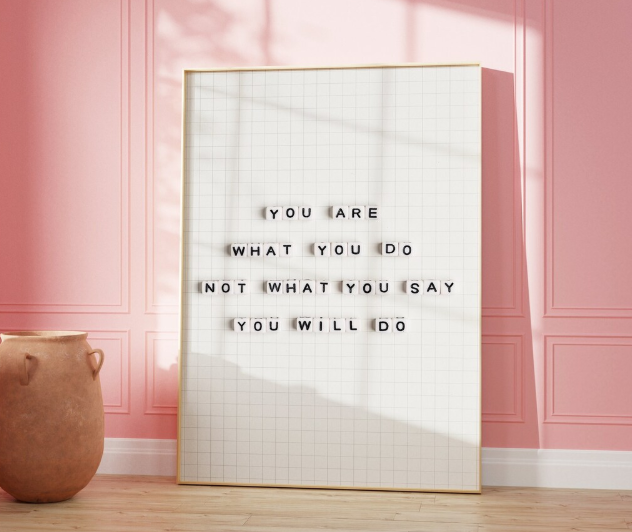
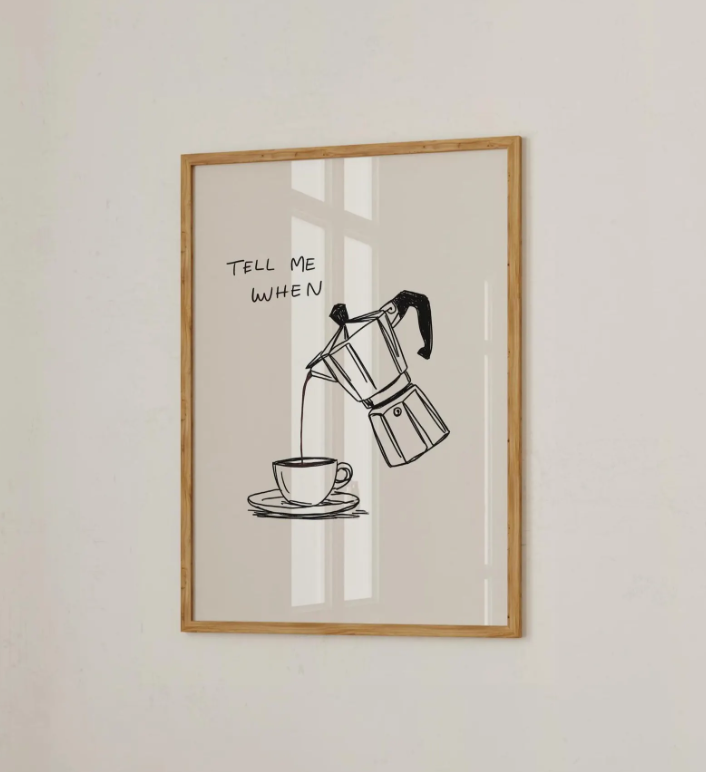
When 500 shops all make “the same” thing, the buyer becomes numb.
They don’t think: “Wow, I love this trend!”, they think: “Which one is cheapest / fastest / has the best mockup?”
And that’s where you don’t want to compete.
2) Buyers can smell “me too”
Even if your product is good, it can feel like it doesn’t have a soul. The more your listing looks like everybody else, the less trust it creates.
Trust is what converts on Etsy.
3) Trends move faster than your energy
Trends change faster than a normal person can keep up.
If you tie your entire shop identity to trend-hopping, burnout is inevitable. The seller who wins is the one who has:
- a consistent aesthetic
- a consistent niche spine
- and uses trends as seasoning, not the whole meal
The “Trend Ladder”: 4 ways to participate without looking generic
Not all trend participation is equal.
Here are four levels, from weakest to strongest:
Level 1: Direct imitation (the trap)
Same phrase, same font, same palette, same layout.
This is where you blend into the sea.
Level 2: Trend + niche specificity (better)
You take the trend and aim it at a specific audience.
Example: Instead of generic “coquette bow,” you create:
- “coquette bows for teachers”
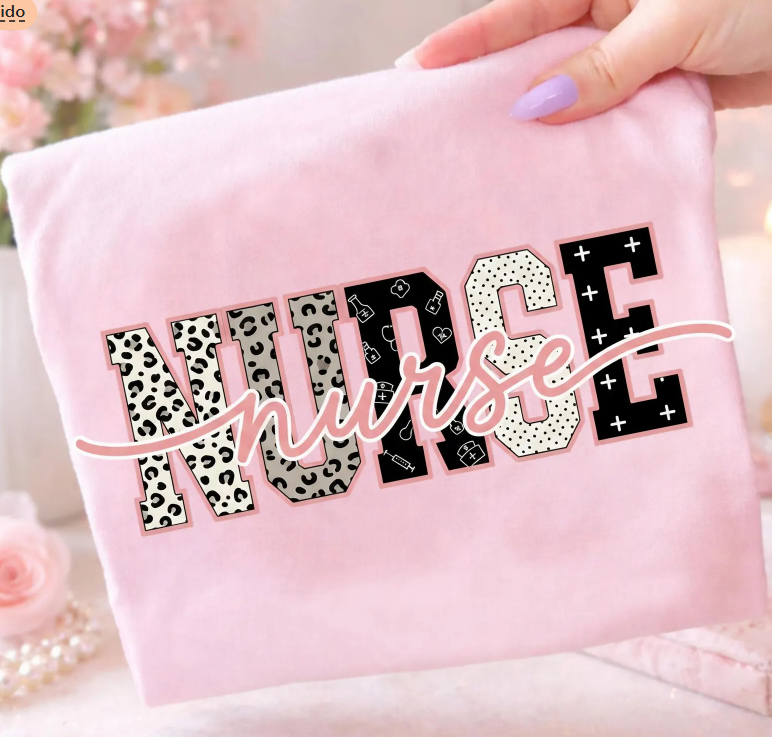
- “coquette bows for nurses”
- “coquette bows for book lovers”
Now it’s not just trend. It’s identity.
Level 3: Trend + your signature style system (strong)
You keep the trend’s energy but run it through your own visual handwriting:
- your fonts
- your palette
- your layout
- your icon style
- your humor tone
Now the buyer can tell it’s you.
Level 4: Trend + product innovation (best)
You take the trend and apply it to a product format others aren’t using. If everyone is doing posters, you do:
- printable kits
- bundles
- stickers
- tote sets
- matching “station” packs
- gift-ready sets
Same trend demand, less direct competition.
The “1-1-1 Rule”: the simplest way to not look like everyone else
If you want one rule you can actually remember on a tired day, use this:
For every trend-based design, change one of these:
- Audience (niche specificity)
- Format (product category or bundle strategy)
- Voice (tone, humor style, messaging)
If you keep all three identical to what’s selling, you’re a copycat listing.
If you change one, you become distinct.
If you change two, you become memorable.
If you change three, you become original.
How to spot trends worth riding (vs. trends that will waste your time)
A trend is worth riding if:
- it pairs naturally with your niche
- it can be adapted into a series or catalog
- it fits your existing aesthetic system
- you can create 5–10 variations without hating your life
A trend is not worth riding if:
- it forces you into an aesthetic you don’t understand
- it requires constant reinvention to keep up
- you’re only doing it because you’re afraid to be different
Fear-driven trend chasing creates generic products.
Curiosity-driven trend participation creates strong catalogs.
A secret advantage of Etsy: buyers don’t want “the trend”—they want “their version of the trend”
This is where Etsy differs from TikTok. TikTok trends spread broad and fast. Etsy buyers often search more specifically:
- trend + niche
- trend + gift moment
- trend + aesthetic modifier
- trend + personalization
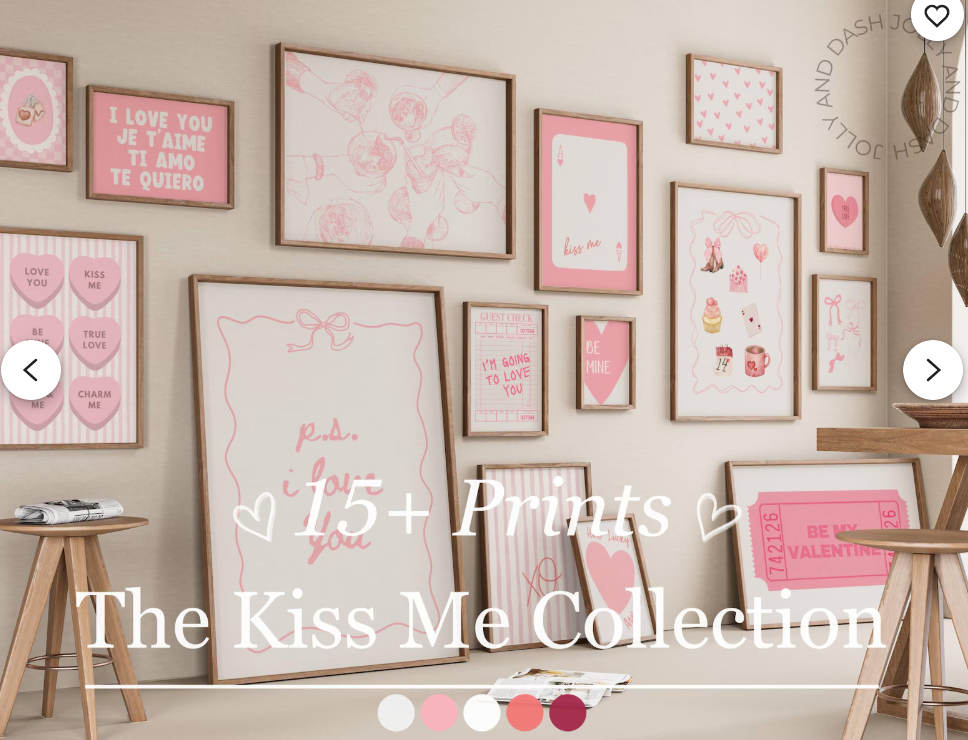
Meaning: They’re not searching for “the trend.” They’re searching for the trend that matches them. So, your best move is to translate trends into:
- identities
- occasions
- communities
- micro-aesthetics
That’s how you ride demand without looking like everyone else.
 Where Sale Samurai fits (lightly, but strategically)
Sale Samurai can help you avoid the trend trap by showing you:
- which trend phrases are already crowded
- which trend + niche combos have demand but less saturation
- what buyers actually type when they want “their version” of the trend
But the big win still comes down to one creative decision:
You’re not copying the trend; you’re interpreting it.
- Why Some Listings Get Clicks but No Sales: The Trust Gap Problem

- The Etsy Bundle Spell: How to Increase AOV Without Feeling Pushy

- Seasonal Without the Panic: Evergreen Themes That Still Spike at Holidays
- Printable Goldmines That Aren’t Planners: The Quiet Categories People Ignore
- The Micro-Niche Method: Selling to Tiny Audiences Who Buy Immediately