
If you’ve ever gotten stuck trying to pick “a niche” on Etsy, here’s a calmer way to think about it:
Don’t start with the customer. Start with the room.
Because a huge percentage of Etsy purchases aren’t driven by “I need a printable” or “I need wall art.” They’re driven by a much more human thought:
“I want this space to feel right.”
That’s what people are really shopping for when they type things like “kitchen labels,” “nursery wall art,” “home office planner,” or “classroom decor.” They’re not just buying an item—they’re trying to create a scene: a mood, a routine, a sense of order. They’re trying to make life feel more livable, more beautiful, or more under control.
The Room Strategy is simply organizing your product ideas (and your shop) around the spaces where those emotional needs live: kitchens, nurseries, offices, classrooms. It works because “room” is an instant context engine. It tells the buyer where the product goes, how it’s used, and what else belongs with it.
And once a buyer can picture your product living in their space, half the battle is already won.
Why “room” works so well on Etsy
Rooms do something that generic niches don’t: they collapse uncertainty.
A room-based product answers, immediately:
- What is this for? (use-case is obvious)
- What should it look like? (aesthetic becomes clear)
- What else matches? (bundles/sets become natural)
Etsy is a marketplace where people browse with their future self in mind. They’re not always shopping like a utilitarian robot. They’re shopping like a person who wants to feel proud when they look at their kitchen corner or when guests walk into a nursery.
So when you sell by room, you stop sounding like “a product listing” and start sounding like “the missing piece.”
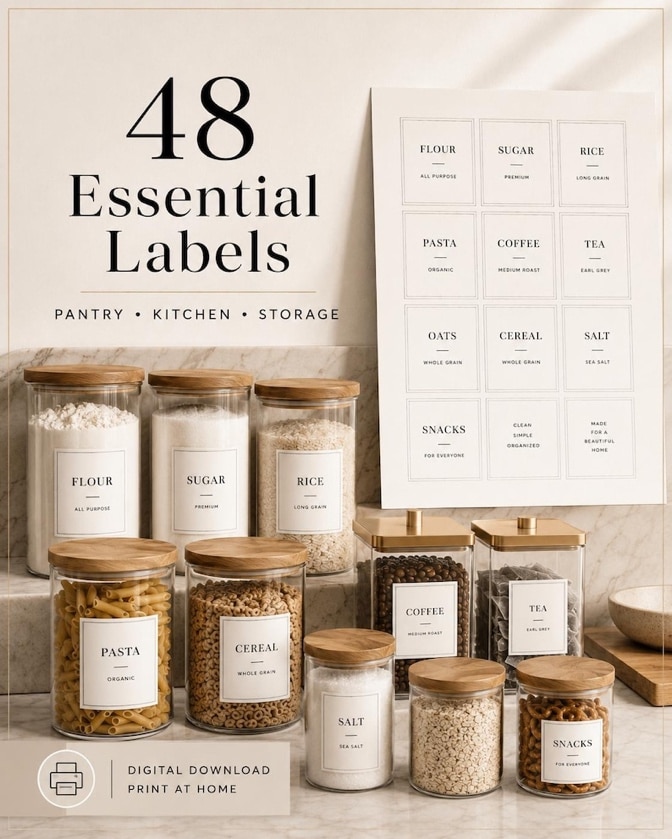
Kitchen: the fastest “functional aesthetic” room
Kitchens are where routine and taste collide. People want kitchens that feel:
- organized
- cozy
- “grown up”
- inviting
- photo-ready
Kitchen products also have a built-in advantage: they’re used constantly. Anything that improves the kitchen feels like it improves life.
Here’s what tends to sell well in kitchen-land (especially as downloads/printables):
- Label systems (pantry, spice, cleaning caddy, freezer)
- Stations (coffee bar, tea station, baking corner)
- Meal systems (weekly menus, prep lists, grocery lists)
- Decor sets (retro diner prints, farmhouse kitchens, minimalist typography)
Kitchen is a strong room strategy because it supports both sides of Etsy psychology: practical help and vibe.
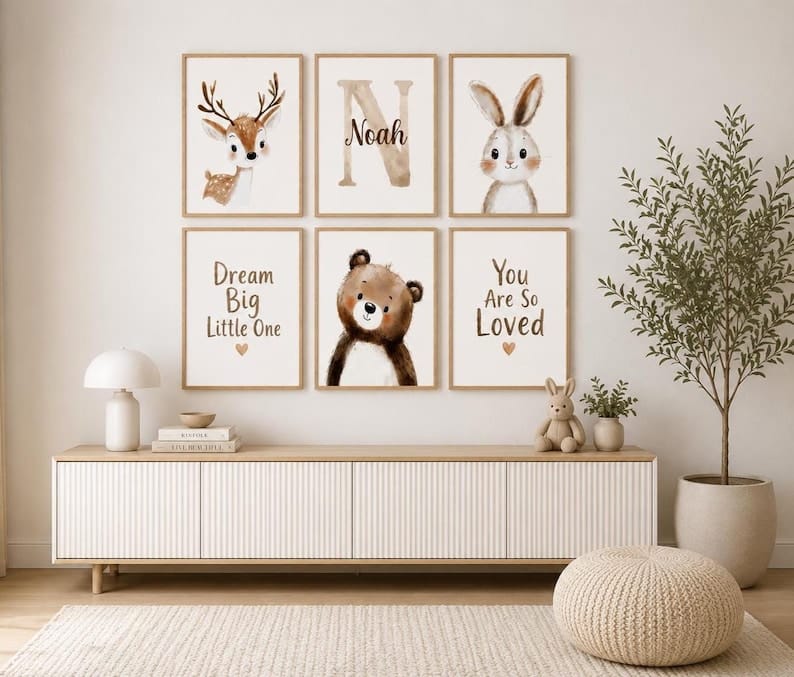
Nursery: emotion-first shopping
Nursery shopping is basically pure feeling. People want this room to represent:
- safety
- warmth
- love
- comfort
- “we’re ready for this” (even if they’re not)
This is why nursery items can convert even when they aren’t strictly necessary. They’re symbolic.
Some nursery product families that fit the Room Strategy beautifully:
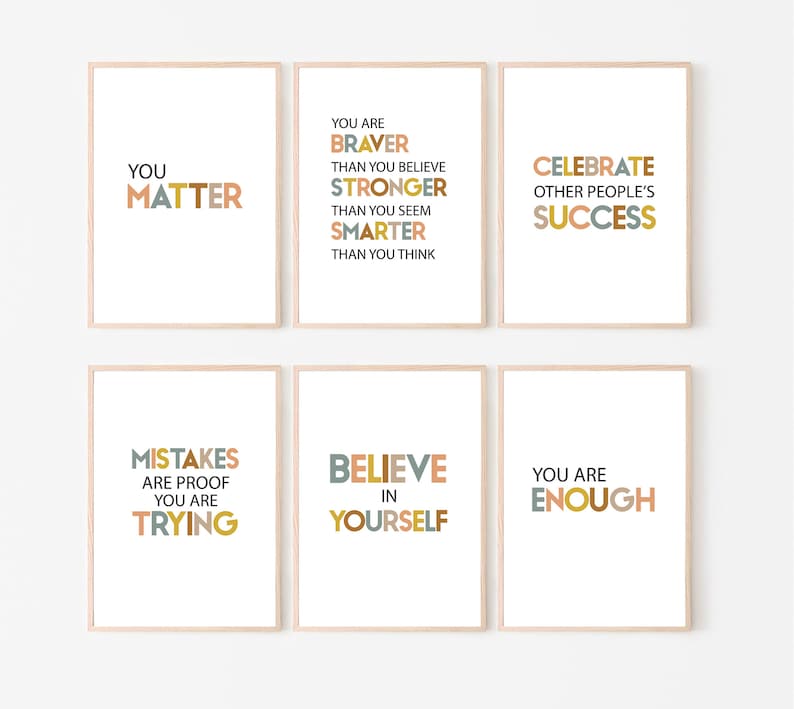
- Set-of-3 wall prints (this is a perennial winner)
- Personalized name prints
- Milestone cards / keepsake printables
- Soft educational art (alphabet/animals in cohesive palettes)
- Routine visuals (bedtime charts that feel gentle, not bossy)
Nursery products sell when they feel calm and coherent. One big advantage of selling by room is that coherence becomes easier: everything belongs to the same emotional universe.
Office: clarity, identity, and stress relief
The office is where Etsy shoppers go when they’re trying to control a mental storm.
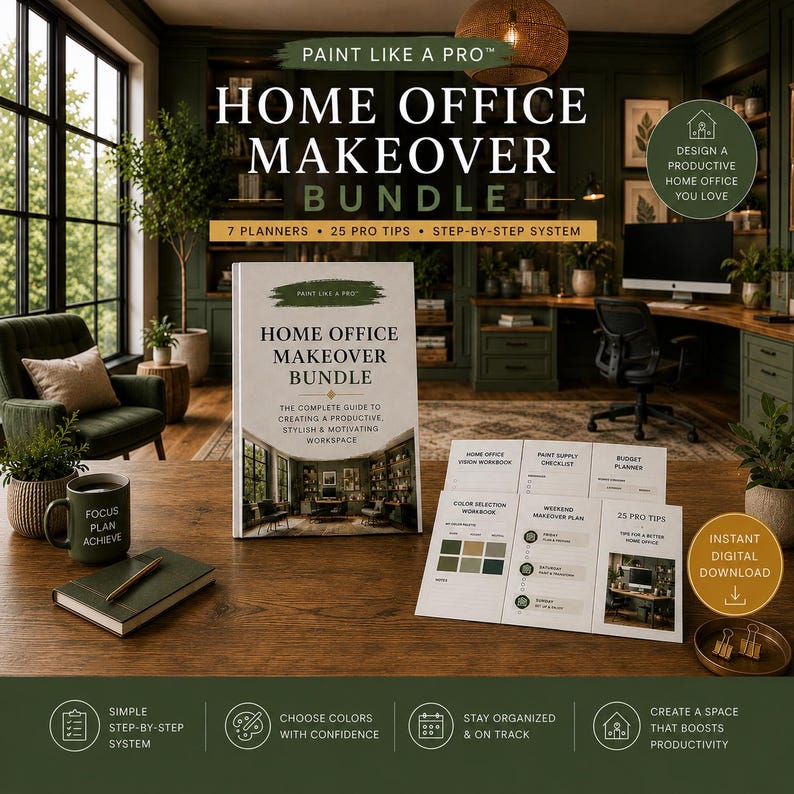
They’re not always buying organization products because they love organizing. They’re buying them because they want relief from overwhelm. They want their desk to feel like a place where thinking is possible.
Office-oriented products that tend to convert:
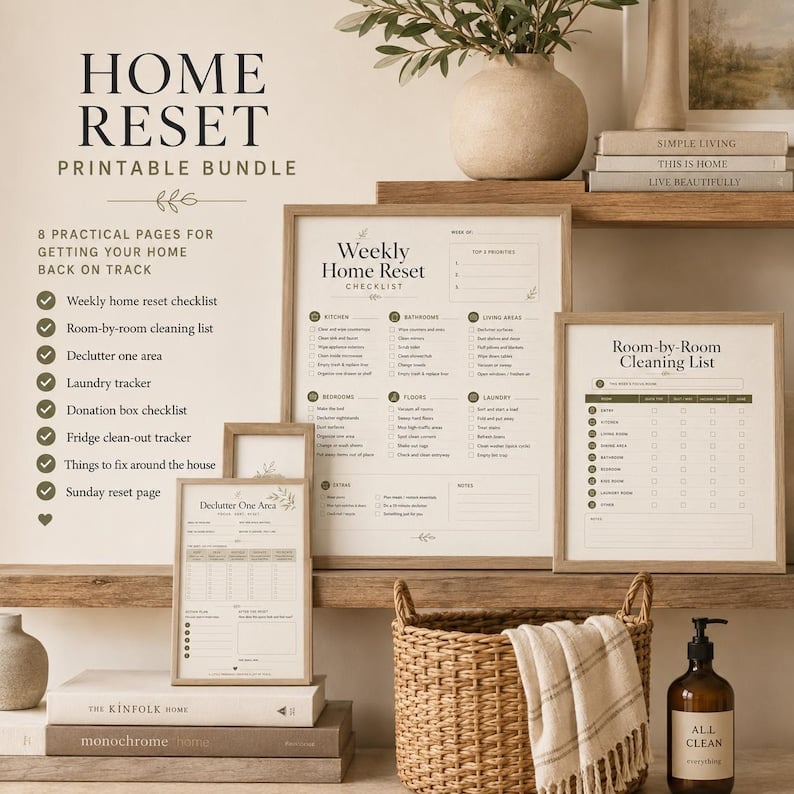
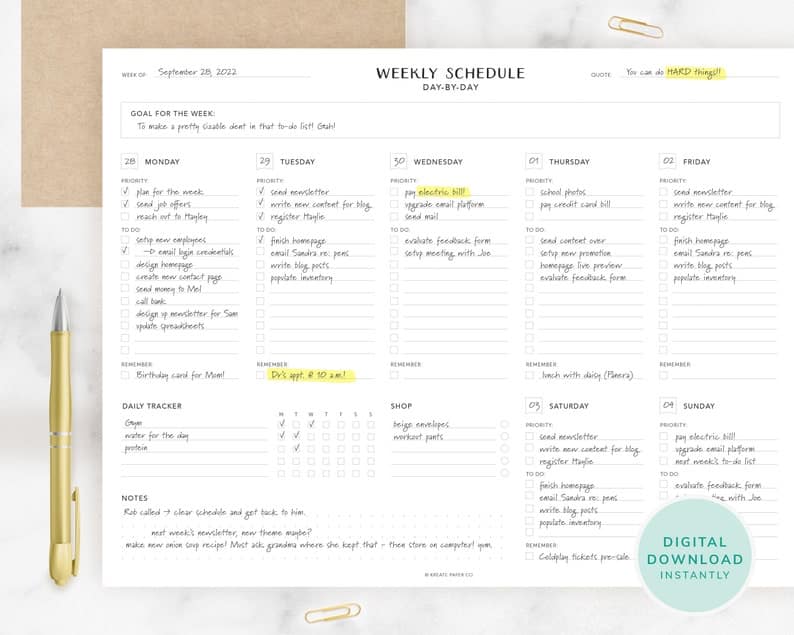
- Weekly reset sheets and “workweek plan” printables
- Meeting notes / client intake templates
- Habit-support systems (simple trackers, not a 40-page planner)
- Desk signage (motivational or funny—identity-driven)
- Minimalist wall prints that set tone (“calm,” “focus,” “one thing at a time”)
Office is also a great room strategy lane because it supports a wide range of aesthetics: minimalist, modern, cozy, bold, even dark academia. Buyers are essentially shopping for the emotional climate they want while they work.
Classroom: a buyer with high intent and repeat needs
Classroom buyers are often on a mission. They have deadlines. They have to set up a room that functions. And they need the room to feel intentional.
This is why classroom products can sell consistently: the need is recurring and practical, and teachers repeat-buy.
Classroom product families that fit perfectly:
- Labels (bins, supplies, folders, centers)
- Posters (rules, routines, motivational, subject decor)
- Binder systems (sub plans, attendance, behavior charts)
- Themed sets (seasonal classroom packs)
- Aesthetic lanes (boho classroom, rainbow classroom, minimalist classroom)
If you build one coherent classroom “world,” expansion becomes easy: every new product is simply “another piece of the room.”
The Room Ladder: how to raise AOV without feeling salesy
The Room Strategy naturally creates a product ladder—because rooms are made of multiple components.
A simple ladder looks like this:
- Entry: one item (single printable / single label set)
- Upgrade: a coordinated set (set of 3 prints, bigger label pack)
- Complete: a “room kit” (everything for the space)
Example: Kitchen
- coffee bar sign → coffee bar set → full kitchen station bundle
This doesn’t feel pushy because you’re not forcing the buyer to “buy more.” You’re giving them the level of completeness they actually want.
Where Sale Samurai fits
Sale Samurai is useful here because room-based shopping has very consistent search language. People don’t just search “printable.” They search:
- “nursery wall art set”
- “kitchen labels printable”
- “home office planner”
- “classroom labels editable”
You can use it to confirm:
- what buyers actually call the room (“home office” vs “office decor” vs “desk”)
- which aesthetics pair with that room (“boho nursery,” “retro kitchen”)
- which “stations” have demand (coffee bar, pantry, laundry)
That keeps your room strategy grounded in buyer language, which makes titles and tags much easier.
Final thought
Rooms are one of the most underrated ways to organize an Etsy business.
When you sell by space, you sell context. You sell a finished scene. You sell clarity.
And clarity is what converts.