Walk into an antique store for five minutes and you’ll feel it.
Not the prices. The mood.
The butter-yellow Tupperware. The gingham. The hand-lettered recipe cards. The “Flour / Sugar / Coffee” canisters lined up like they’re awaiting inspection. The half-cute, half-threatening rooster art that seems to say, I have seen what you people do to sourdough starters.
Now step back into the present, open Etsy, and you’ll notice something interesting:
A lot of shoppers aren’t hunting for “unique decor” in the abstract. They’re rebuilding that specific emotional environment—the vintage kitchen feeling—piece by piece.
And that’s why this category is sneaky good for sellers.
Because the “vintage kitchen” trend (call it pantrycore, grandma-core, cottagecore’s more practical cousin—whatever) isn’t just one product. It’s a whole ecosystem of small goods that are:
- Easy to ship
- Easy to bundle
- Easy to gift
- Easy to personalize
- Easy for buyers to collect over time
Most Etsy sellers miss it because they look for “the one hot item.” But buyers often shop in sets, scenes, and stories.
So let’s talk about what sells inside this world—without turning this into a technical spreadsheet exercise. We’ll keep it narrative, visual, and practical, and only use Sale Samurai lightly where it helps you confirm reality.
The real product isn’t the label—it’s the “kitchen identity”
People don’t buy a set of pantry labels because they can’t remember what flour is.
They buy it because they want their kitchen to feel like:
- a warm 1970s family home
- a French country rental in a rom-com
- a “trad” pantry fantasy (minus the weird ideology)
- a cozy apartment that finally feels adult
- or simply a place that looks calm when everything else isn’t
That matters, because it changes how you should build listings:
You’re not selling “labels.”
You’re selling order + nostalgia + visual harmony.
When you understand that, a bunch of overlooked product angles suddenly become obvious.
The “quiet winners” inside vintage kitchen
Here are the micro-categories that tend to do well because they plug directly into that identity-building instinct.
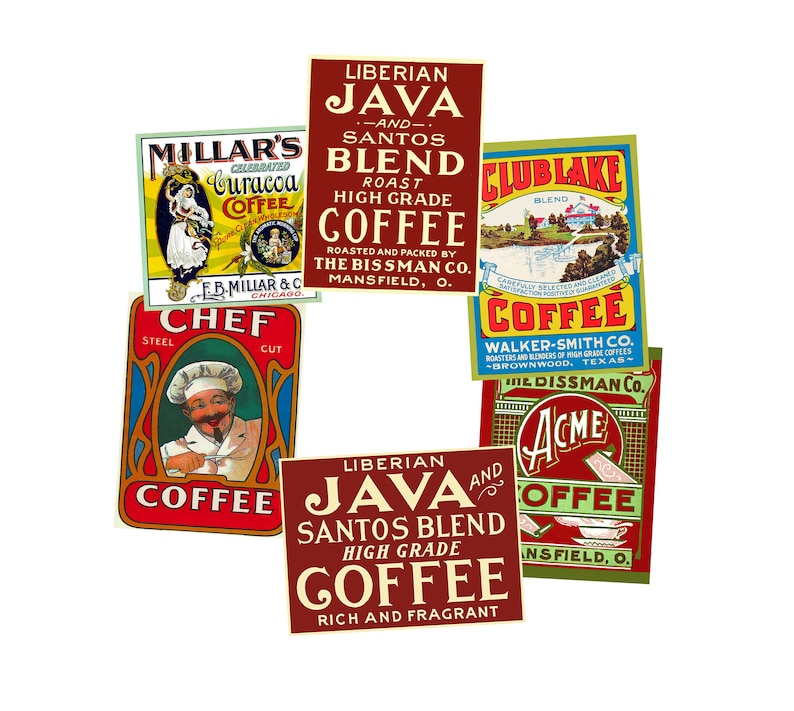
1) Pantry & spice labels (physical or printable)
This is the gateway drug.
A buyer starts with a few labels… then decides they need all the jars to match… then realizes the tea station needs its own look… then the cleaning bottles… then the dog treat jar because the dog is part of the family brand.
Why it works:
- Buyers see the transformation fast
- Personalization is simple (font choice, color, icon set)
- Bundles are natural (pantry + spice + baking + coffee bar)
Narrative positioning ideas:
- “Grandma’s Pantry” label set
- “1970s Harvest Gold Kitchen” palette set
- “French Country Herb Garden” set
- “Farmhouse, but make it actual farmhouse” set
Light Sale Samurai use: search a few phrase families like “pantry labels vintage”, “spice labels retro”, “coffee bar labels” just to see which wording shoppers actually use—and steal their language, not your imagination.
2) Recipe cards, binder kits, and family recipe “heirloom” packs
This is where emotion gets weaponized (in a nice way).
People aren’t just organizing recipes—they’re creating a sense of continuity. Even if they’re 28 and their “family recipe” is something they found on TikTok, they still want it to feel like it’s been passed down.
Products that fit:
- vintage-style recipe cards (printed or printable)
- recipe binder dividers + labels
- “family cookbook” starter kits
- personalized “from the kitchen of…” stamps
Why it works:
- It’s a gift category (bridal showers, housewarming, Mother’s Day)
- Personalization feels meaningful, not gimmicky
- It photographs beautifully
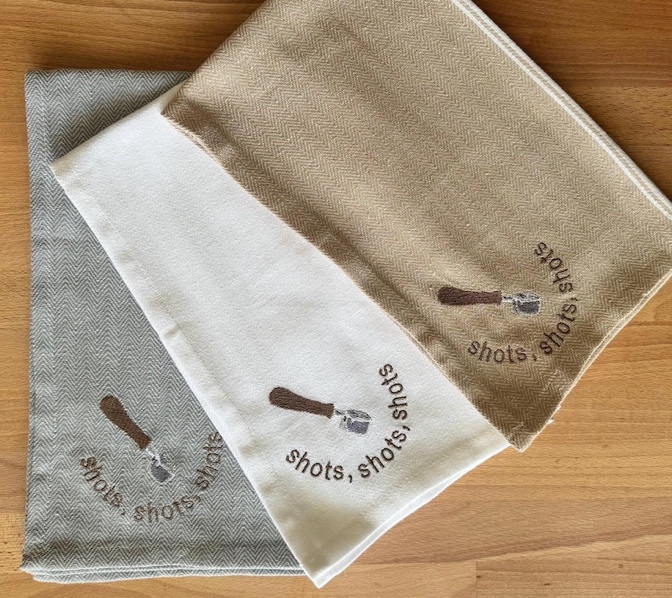
3) Tea towels and linen micro-decor
Tea towels are basically wall art that also wipes things.
They hit the sweet spot: decorative, affordable, functional. And vintage kitchen shoppers love functional décor because it feels “authentic,” not staged.
Hot angles inside this:
- retro fruits/vegetables illustrations
- 50s diner motifs
- embroidered-style typography (even if printed)
- seasonal: fall harvest, winter baking, spring herbs
Bundling idea:
Pair a tea towel with matching pantry labels or a recipe card set so the buyer gets an instant “scene.”
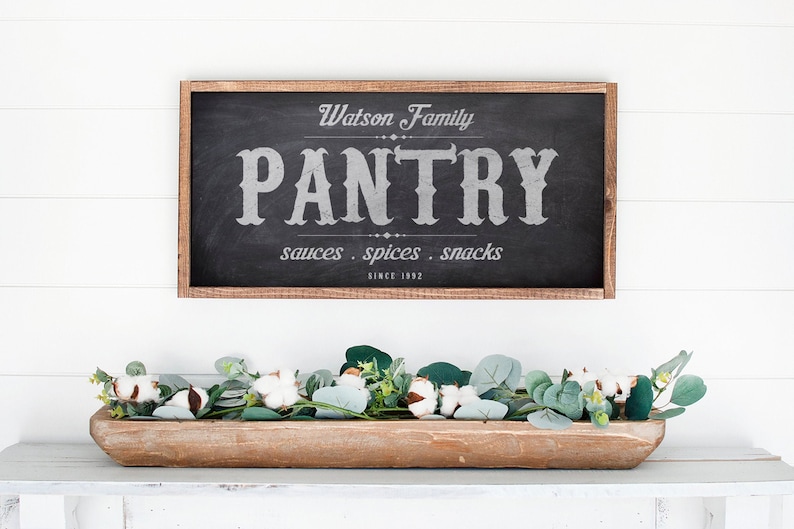
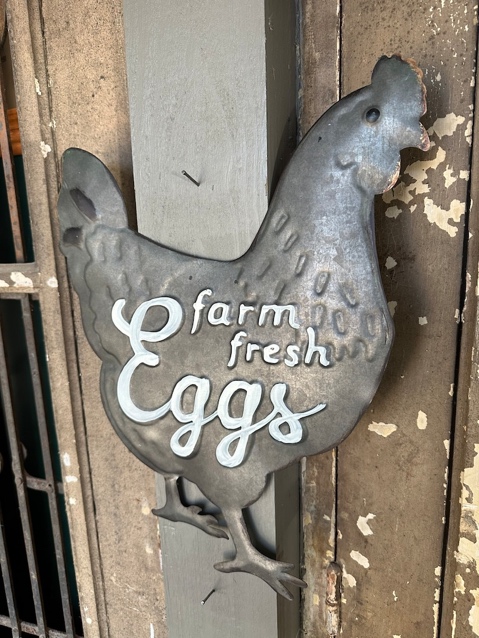
4) Pantry signage & small wall prints
This is the category that makes the photo make sense.
A pantry label set is satisfying up close. But signage sets the whole room.
Think:
- “Pantry” signs
- “Fresh Eggs” (whether or not they have eggs)
- “Baked with Love”
- “Coffee / Tea / Sugar” mini prints
- chalkboard-style menus
Why it works:
- Decor buyers love “small commitment” purchases
- It stacks nicely into gallery walls
- It photographs like a lifestyle brand
5) “Stations”: coffee bar, baking corner, herb shelf
A station is a mini-world. Etsy buyers adore mini-worlds.
The trick is to sell a coordinated kit that makes the station feel complete.
Coffee bar kit examples:
- labels for sugar, beans, syrups
- small sign or menu print
- matching canister labels
- optional personalization (“The Sena Coffee Bar”)
Baking corner kit examples:
- flour/sugar/cornstarch labels
- “baked goods” packaging stickers
- recipe cards + binder tab
- “pie club” or “Sunday baking” sign
People don’t want one item—they want the finished look without thinking too hard.
6) Packaging that feels like “the old days”
This is sneaky and powerful: stickers and labels for homemade goods.
Even if someone isn’t selling baked goods, they gift cookies, jam, sourdough, spice mixes. They want it to look like something from a farm stand or an old general store.
Product ideas:
- “baked today” sticker sheets
- “from my kitchen to yours” labels
- vintage canning jar labels
- holiday baking label packs
These sell because buyers use them up—and reorder.
The design rule: pick one era and commit
Here’s where sellers get wobbly:
They make something “vintage-inspired,” but it’s actually a mashup of five styles. The buyer can feel the mismatch even if they can’t articulate it.
A better approach: choose a single aesthetic lane and build a collection.
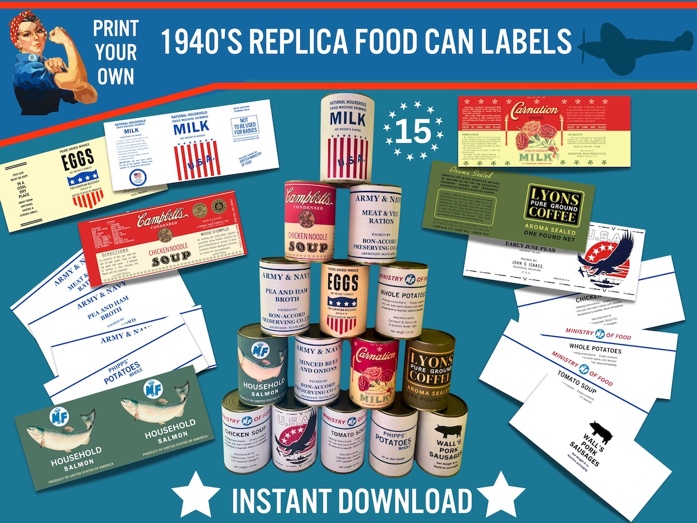
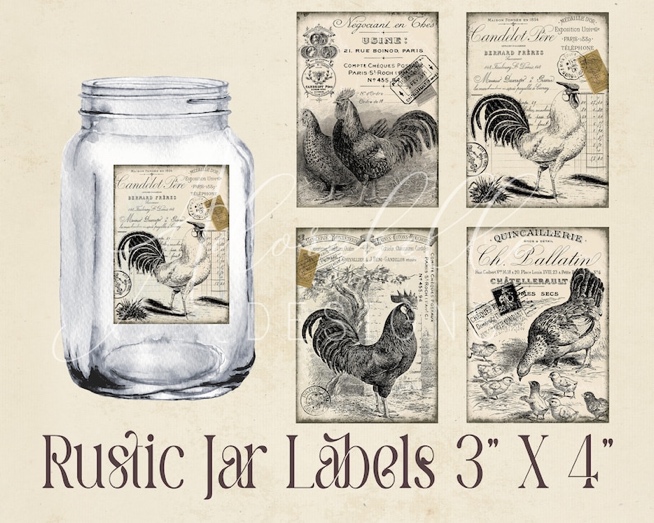
For example:
- 1940s–50s Americana kitchen: diner typography, cherries, teal/red accents
- 1970s harvest kitchen: warm earth tones, mushrooms, wheat motifs
- French country pantry: serif fonts, herb illustrations, cream/green palette
- Classic farmhouse: black/white, simple typography, enamelware vibes
When your shop has cohesion, buyers don’t just buy one listing. They buy the next piece because it matches.
How to validate without turning your brain into mush
Here’s a low-effort way to use Sale Samurai without falling down a data rabbit hole:
Step 1: Start with the “scene,” not the object
Instead of “labels,” try:
- “coffee bar”
- “baking corner”
- “pantry organization”
- “recipe binder”
- “canning labels”
These phrases often reveal the buyer’s intent better than product nouns.
Step 2: Look for repeating language patterns
You’re not hunting one keyword. You’re hunting a phrase family.
Example family:
- “pantry labels”
- “vintage pantry labels”
- “farmhouse pantry labels”
- “spice jar labels vintage”
- “kitchen canister labels”
You’ll start to see which adjectives buyers actually type (and which ones sellers think buyers type).
Step 3: Build one “collection” and 6 supporting listings
This is the move most people don’t do.
Instead of six random products, build:
- one flagship kit (ex: “Vintage Pantry Label Mega Set”)
- plus supporting pieces (spice set, coffee bar set, canning labels, baking set, cleaning labels)
Now your shop feels like a brand, not a yard sale.
A realistic product ladder for new or tired sellers
If you want this to be gentle on your workload, here’s a simple ladder:
- Start with printables (fast to create, no shipping chaos)
- Add physical sticker versions of your best sellers
- Introduce bundle kits (higher AOV, less marketing effort per dollar)
- Add a seasonal limited edition (fall harvest, holiday baking)
- Add personalized versions once you’ve stabilized fulfillment
This is how you grow without needing a manic burst of energy.
The real reason this category keeps working
Vintage kitchen micro-goods sell because they’re not really about kitchens.
They’re about control in a chaotic world.
You can’t fix everything. But you can fix the pantry. You can make the spice rack look like a magazine spread. You can put your grandmother’s handwriting on a recipe card and pretend time isn’t sprinting away from you.
Etsy isn’t just a marketplace. It’s therapy with shipping.
And for sellers, that means: if you create products that help people build a comforting, cohesive environment—without being generic—you’ll keep finding buyers who aren’t chasing trends.
They’re chasing a feeling.
And feelings are evergreen.
- The Micro-Niche Method: Selling to Tiny Audiences Who Buy Immediately

- The Copycat Trap: How to Ride Trends Without Looking Like Everyone Else

- Phrase Families: How Etsy Shoppers Actually Search (Without Getting Technical)
- Aesthetic Commerce: Why “Vibes” Sell Faster Than Features on Etsy

- Digital-to-Physical on Etsy: The New Hybrid Seller Playbook