
Spend ten minutes in the vintage side of Etsy and you’ll notice something immediately:
Vintage sellers don’t “list products.”
They tell stories.
They sell the object, sure—but they’re also selling:
- a time period
- a mood
- a memory
- a lifestyle
- a sense of taste and identity
And that’s why, even in a marketplace flooded with digital downloads and printables, vintage shops often feel more magnetic.
Here’s the twist: you don’t have to sell physical vintage to borrow what vintage sellers do best. In fact, digital sellers can level up dramatically by adopting the vintage seller mindset—because the same forces that make someone buy a 1970s Pyrex bowl also make someone buy a retro kitchen printable set.
This is a field guide to what resale + retro sellers get right—and how digital creators can apply it.
Lesson #1: They sell “the vibe,” not the thing
A vintage seller isn’t saying:
“Glass bowl.”
They’re saying:
“1970s harvest-gold kitchen energy.”
They’re selling a world.
Digital sellers often undersell themselves by describing only function:
- “Printable.”
- “Instant download.”
- “8.5×11.”
That’s not why people buy. That’s just the delivery method.
What to copy:
Lead with vibe and lifestyle first. Specs second.
Instead of:
“Kitchen wall print, PDF download”
Try:
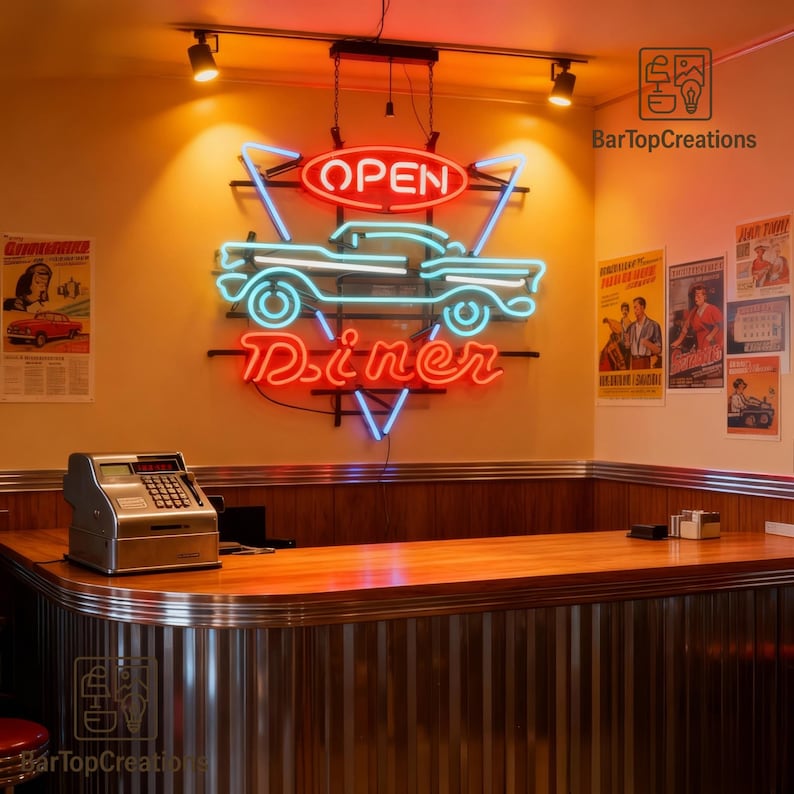
“Retro diner kitchen wall print for a warm, nostalgic space (instant download)”
On Etsy, the shopper chooses the vibe. The format is just the logistics.
Lesson #2: They curate like a shopkeeper, not a factory
Vintage sellers are constantly curating:
- “This is what belongs in my shop.”
- “This is my taste.”
- “This is my lane.”
Even if they sell a range of items, they often keep a consistent thread:
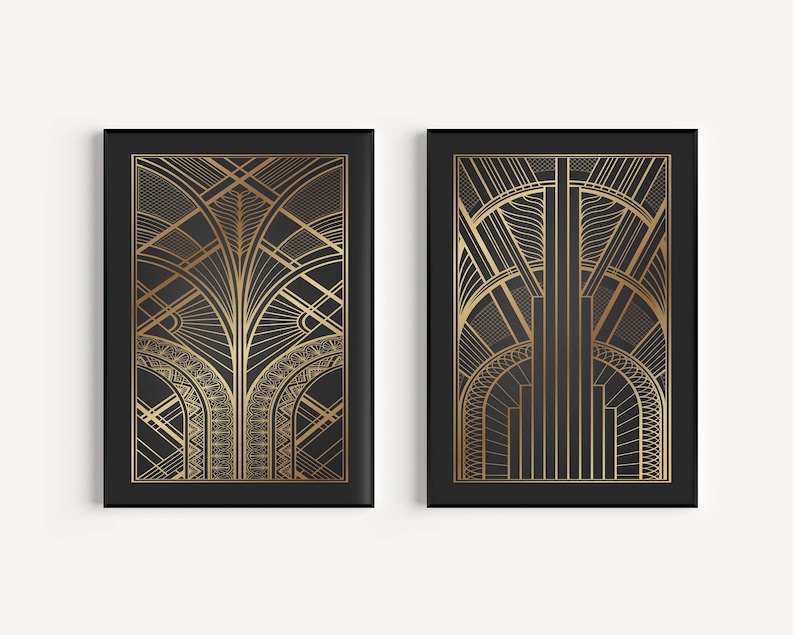
- mid-century modern
- cottagecore farmhouse
- retro kitsch
- industrial
- goth romantic
- 80s neon nostalgia
Digital sellers sometimes do the opposite:
They chase trends across five aesthetics in one shop.
Result: the shop feels random. Shoppers don’t trust random.
What to copy:
Curate your shop around aesthetic lanes.
Pick one lane for 30 days and build depth in it. Etsy rewards coherence.
Lesson #3: They make every listing feel like a “find”
Vintage is the original “scarcity marketing,” but when done well it doesn’t feel manipulative—it feels exciting.
Even if you’re selling digital files (infinite supply), you can still create that “find” feeling through:
- tight niche specificity (so it feels rare)
- strong style-world labeling (so it feels like a taste discovery)
- collection framing (so it feels curated and intentional)
Instead of:
“Printable kitchen labels”
Try:
“Vintage apothecary pantry labels (30-label set) for a warm, old-world kitchen”
It feels like a find because it’s specific.
Lesson #4: They photograph context, not objects
Vintage sellers are masters of context:
- the item on a table
- near a plant
- next to a record player
- in a styled corner of a room
They’re not showing an object. They’re showing a life.
Digital sellers often show a file preview on a blank white page.
That’s functional… but it doesn’t create desire.
What to copy:
Your mockups should show the printable living in its world:
- framed on a wall
- in a kitchen corner
- on a clipboard in a classroom
- in a binder on a desk
- in a nursery with matching decor
Context sells.
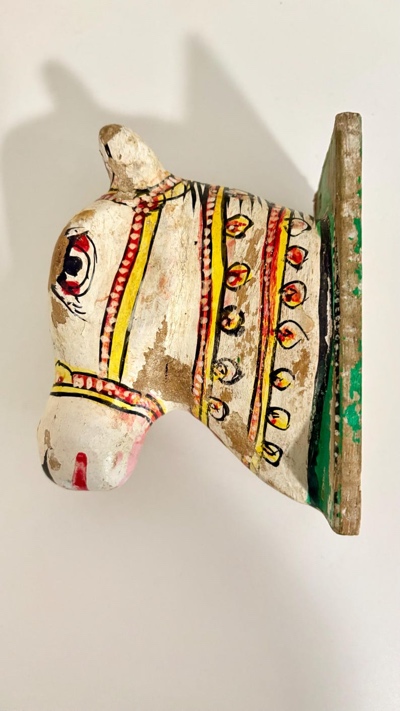
Lesson #5: They use language that signals taste
Vintage listings often use “taste words”:
- retro
- kitsch
- atomic
- cottagecore
- mid-century
- folk art
- art deco
- gothic
- bohemian
- coastal
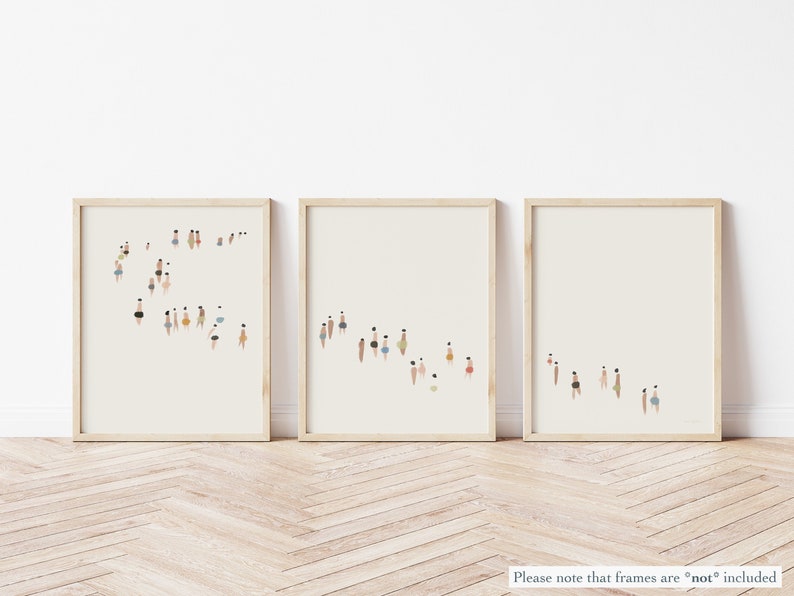
- minimalist
Those aren’t just descriptors. They’re identity signals.
Digital sellers sometimes avoid these words because they feel “too aesthetic.”
But on Etsy, aesthetic language is not fluff. It’s navigation.
What to copy:
Use taste words in:
- titles
- first lines of descriptions
- tags
- shop sections / collections
You are helping the shopper find their tribe.
Lesson #6: They bundle naturally through collections
Vintage sellers don’t usually “bundle” with a discount in the listing.
They bundle by implication.
They create a shop where multiple items clearly belong together—so buyers naturally add more than one.
Digital sellers can do the same:
- matching wall print sets
- coordinated label families
- themed activity packs
- aesthetic “station sets” (laundry, pantry, coffee bar)
What to copy:
Build collections and link them gently:
- “Part of the Retro Diner Kitchen Collection”
- “Matching set available in the shop”
No pressure. Just guidance.
Lesson #7: They understand the buyer is building a world
Vintage buyers aren’t buying one object. They’re building a space:
- a kitchen that feels like grandma’s
- a living room that looks like a film set
- a nursery that feels warm and safe
- an apartment that signals taste
Digital buyers do the exact same thing.
They buy printables to make their life feel:
- more organized
- more beautiful
- more themed
- more like their identity
So the goal isn’t to sell “a printable.”
The goal is to sell a piece of a world.
How to apply the vintage mindset to digital products (this week)
Here’s a practical “copy the vintage sellers” starter plan:

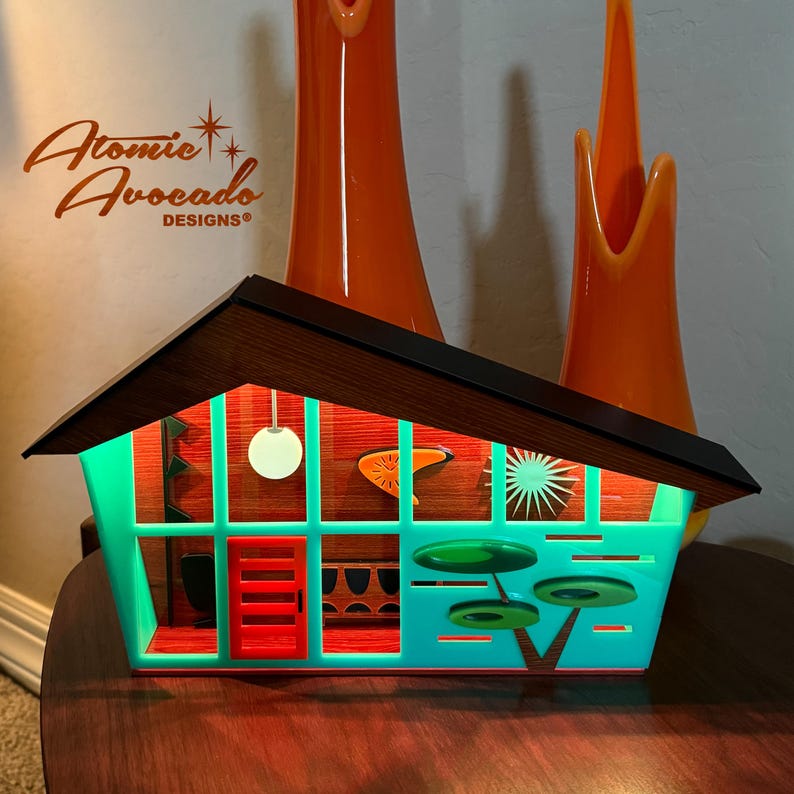
1) Choose one retro lane
Examples:
- retro diner kitchen
- mid-century modern
- vintage Halloween
- 70s groovy
- 80s neon
- old-world apothecary
- cottagecore farmhouse
2) Build a micro-collection (6–10 items)
Examples:
- 3 wall prints + 2 label sheets + 1 checklist
- 1 party kit + 2 matching games + signage pack
- kids activity pack + matching reward chart + “busy book” pages
3) Write titles like a vintage seller
Lead with vibe + use-case + aesthetic, then specs.
4) Mockup like a vintage seller
Show the product in context. Let the buyer imagine the room.
Where Sale Samurai fits (in the vintage mindset)
If vintage sellers are good at taste, Sale Samurai helps you translate taste into the language shoppers actually type.
Use it to:
- validate whether shoppers say “retro diner kitchen” vs “1950s kitchen decor”
- discover adjacent phrase families (“mid-century wall print” + “atomic kitchen art”)
- spot niche combinations that have demand but weak competition
Think of it as: taste + truth.
Your taste picks the lane. Sale Samurai confirms the lane exists in search behavior.
Final thought: digital sellers don’t need more products—they need more curation
Vintage sellers win attention because they feel like tastemakers.
They don’t flood the market. They curate the market.
If you’re selling digital downloads, you can do the same:
- lead with vibe
- build collections
- show context
- write like a shopkeeper
- and help the buyer build a world
Because on Etsy, whether it’s a 1960s lamp or a printable kitchen label set, the real product is the same:
a life that feels a certain way.