
On Etsy, handcrafted quality and personal storytelling reign supreme—but all that effort counts for little if your shop feels unfinished or untrustworthy. Brand consistency—from visuals to tone to packaging—builds trust, drives recognition, and turbocharges customer loyalty. It transforms a collection of listings into a memorable experience worth returning to.
This guide outlines:
- Why consistency matters
- Elements of shop branding
- Visual consistency techniques
- Voice, tone, and narrative cohesion
- Packaging & unboxing experience
- Tools & frameworks to help
- Sale Samurai’s role in brand tracking
- Real-world examples
- Checklist for brand alignment
- Conclusion & next steps
1. Why Consistency Matters
First impressions last—and inconsistent branding causes confusion and abandons trust.
- Trust & credibility: Cohesive visuals signal professionalism. Your audience knows what to expect and, importantly, who you are.
- Recognition & memorability: Customers remember your style, tone, and shopping experience—and return because it feels familiar.
- Customer loyalty & referrals: Cohesive packaging + imagery + voice = shareable experiences that boost word-of-mouth promotion.
- Higher conversion rates: Consistency creates confidence—leading to more frequent purchases and less hesitation at checkout.
2. Pillars of Etsy Shop Branding
These are the key areas to lock down:
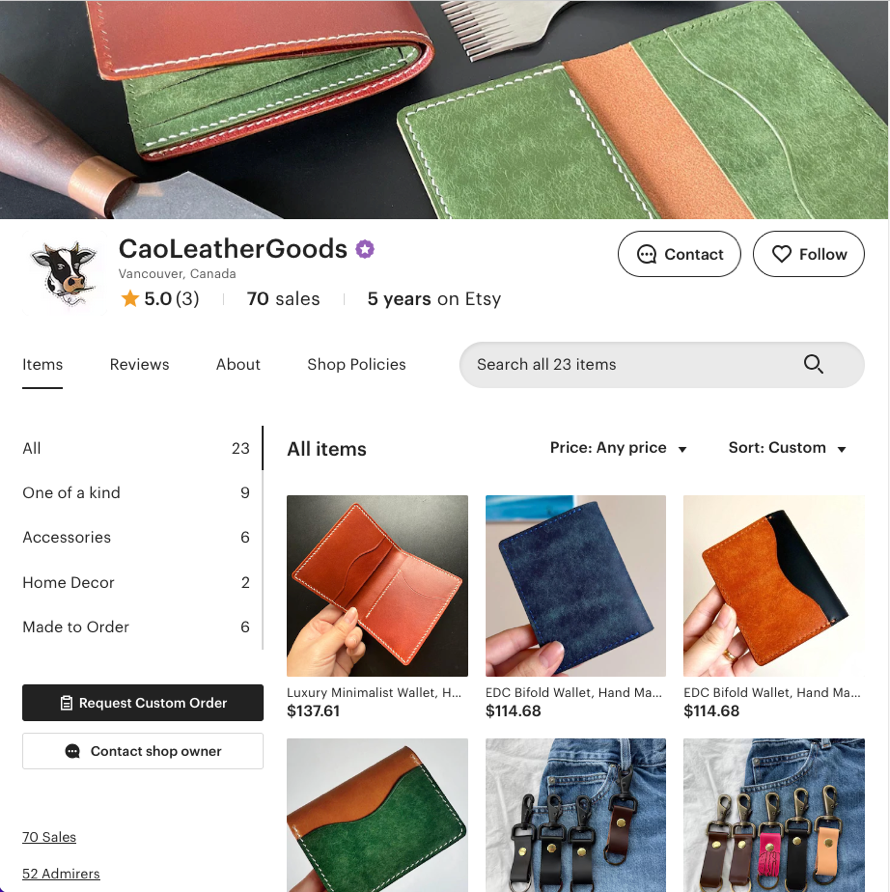
- Visual Identity: Shop logo, banner, fonts, color palettes.
- Listing Aesthetics: Styling photo shoots, mockups, infographics.
- Photography Style: Angle, lighting, background, models.
- Shop Voice & Copy: Titles, descriptions, About page, communication tone.
- Packaging & Unboxing: Product wrapping, thank-you notes, seasonal touches.
- Customer Experience: Consistent shipping updates, communication style, and branding touchpoints.
3. Visual Identity: Pulling It All Together
A. Logo & Shop Banner
- Use consistent typography and colors that echo your product aesthetic.
- Make sure both are mobile-optimized—mobile accounts for ~70% of Etsy traffic.
B. Color Palette & Fonts
Design your visual kit once—base it on moodboards that reflect your product’s vibe: minimalist, rustic, modern, whimsical. Apply them across your store and listings to reinforce brand memory.
C. Listing Photos & Mockups
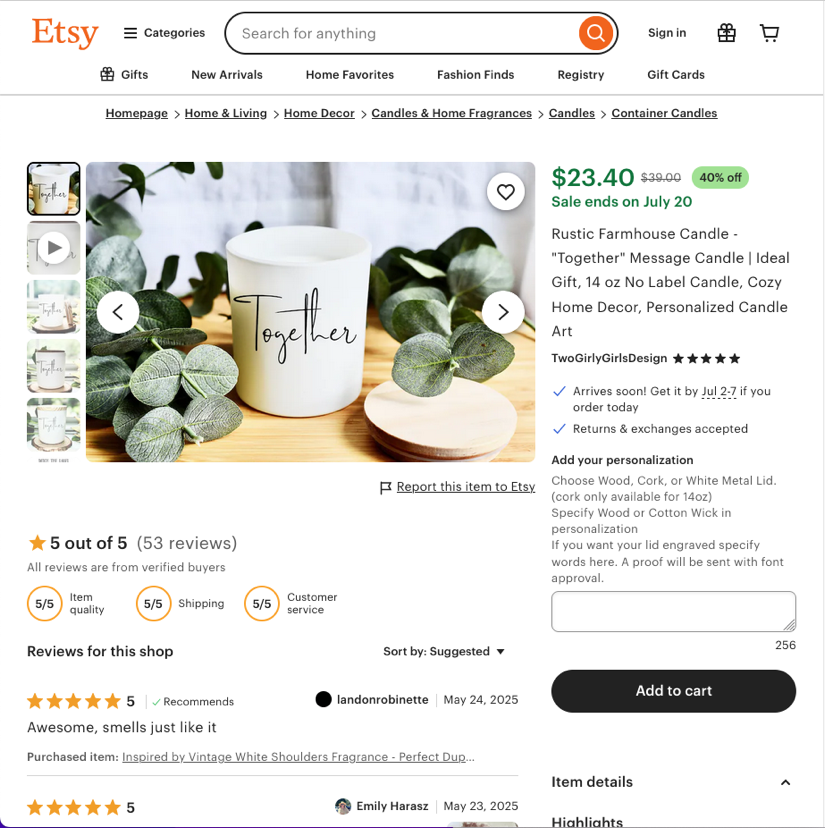
- Style your main photo consistently (props, lighting, framing).
- Use Sale Samurаi to see what top shops do—emulate but remain distinctive.
- Ensure image backgrounds match (soft neutral or environmental).
D. Mockup Design
Create signature mockup templates. Pick your hero photo style (flat-lay, lifestyle) and adapt them across listings—avoiding awkward cropping or misaligned color balance.
E. Infographics & Wire Frames
Use consistent font hierarchy and iconography across mockups. Don’t overdesign—use “clean + informative” wireframes that support your imagery.
4. Voice, Tone & Shop Copy
Copy reinforcement is just as important as visuals:
A. Voice & Tone
Define your tone—this could be mama-bear, expert, whimsical, minimalist, eco-conscious. Speak in a consistent narrative style across listing titles, descriptions, About page, and messages.
B. Listing Titles
Even titles can be branded. Stick to clear, consistent format—e.g., “[Product] – Size, Material – YourShopName”.
C. Accurate Descriptions
Follow a structure: leading benefit → product specs → care/usage instructions → why we created it → call to browse more. Keep phrases aligned with visuals.
D. About Page
Customers love to peek behind the scenes. Include your values, process, story—tie it into brand visuals and tone (“Rustic farmhouse comfort from our home studio…”).
5. Packaging & Unboxing Experience
Offline brand consistency matters too:
- Packaging materials: Use eco-friendly branded mailers, custom tissue paper, stickers, thank-you cards.
- Little extras: A small handwritten note or branded treat (sticker, magnet) builds emotion.
- Seasonal flair: Gift wrap or branding pins for holidays or paid add-on services.
6. Tools & Frameworks for Brand Consistency
A. Brand Style Guide
One-pager with color codes, font names, image style rules, copy guidelines.
B. Template Library
Create mockups, thank-you notes, or infographics with Canva/Photoshop templates.
C. Asset Management
Google Drive or Airtable folders with graphic files and naming conventions—so freelancers and VA’s stay consistent too.
D. Batch Production
Use the same photo setup for batch-shooting—reducing friction and visual inconsistency.
7. Leveraging Sale Samurai to Track & Refine Brand Impact
Sale Samurai tools help gauge how branding affects visibility:
A. Competition Tracker
Spot weak listings in your niche. If high-ranking shops use professional imagery, it may be your visual consistency holding you back.
B. Listing Analyzer
Check if top competitors’ images and thumbnails share styles that perform well—draw inspiration without copying.
C. Keyword + CTR Correlation
High-volume keyword with low conversion? Poor branding and listing styling could be the culprit.
D. Portfolio Segmentation
Track different collections (e.g., holiday ornaments vs custom totes) to ensure branding consistency across segments.
8. Real Etsy Shop Branding Examples
1. Minimalist Leather Goods Shop
Consistent flat-lay, neutral backgrounds, minimal props, framed shots, soft lighting, and handwritten font tags; cohesive packaging and thank you note.
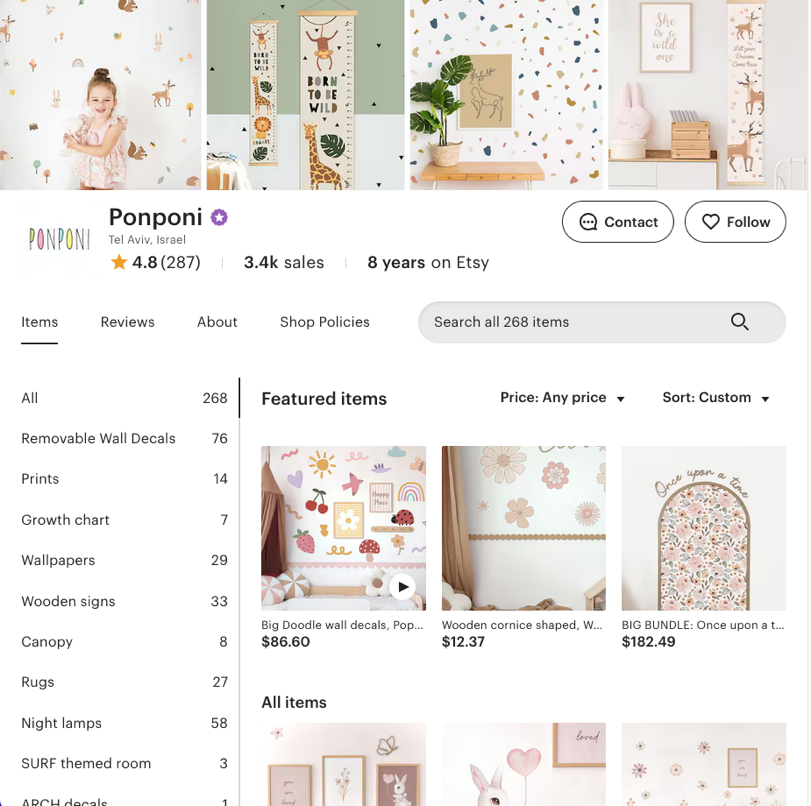
2. Colorful Kid’s Room Décor Shop
Vibrant hero images, lifestyle scene in real nurseries, child-friendly font overlays, and included “Wall hanging care instructions” in branded folder.
3. Rustic Farmhouse Candle Brand
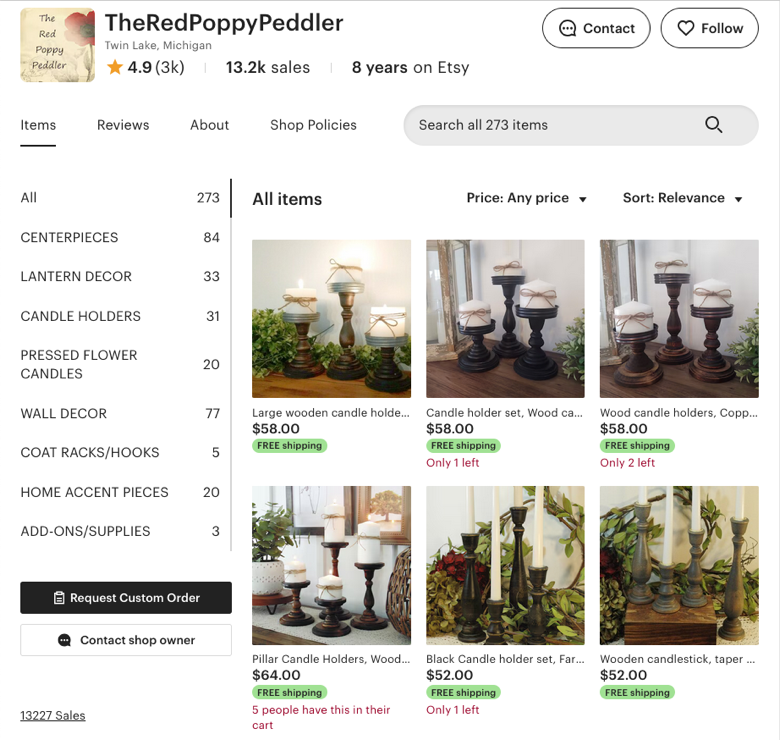
Earth-tone mockups, burlap packaging, seeded-thank-you cards, key phrase “get cozy” repeated in messaging.
9. Branding Alignment Checklist
| Branding Area | Aligned? |
|---|---|
| Logo & banner match overall tone | |
| Main photo style consistent | |
| Photo backgrounds are cohesive | |
| Mockups use defined template | |
| Copy tone consistent across shop | |
| Packaging matches brand look & feel | |
| Thank-you cards included | |
| Keywords and image messaging align | |
| Brand style guide is documented | |
| Listing performance reviewed monthly |
Final Thoughts & Next Steps
Consistent branding is a long-term investment—it builds trust, recognition, and loyalty. On Etsy, where shoppers crave authenticity, inconsistency causes doubt.
Take immediate steps:
- Audit visuals & harmony between images
- Build asset library and style guide
- Use Sale Samurai to compare your visual appeal to competitors
- Gather customer feedback for brand refinement
You can do quick hikes, or invest in long-term brand equity—either way, consistency is the path to sustainable growth.